Starting inline speed skating as an adult is a very different project from starting as a nine year old at a club. You bring better patience, a clearer idea of why you are doing this, and the ability to actually follow a plan. You also bring a body that has spent twenty or thirty years walking upright, a calendar that does not bend easily, and a sensible fear of falling on tarmac. All of that is workable. Plenty of skaters in India take up inline speed skating in their late twenties, thirties and forties and end up racing club events within a season. What they usually lack at the start is an honest picture of the timeline, so they either expect too much in week two or give up in week six.
This guide lays out what the first three months really look like, what to work on in each block, and how to set up your skates so the equipment helps you learn instead of fighting you. It is written for the adult beginner who can already roll on a pair of recreational skates, or who is starting from zero on a speed setup, and who wants to do this properly rather than just survive each session.
Why starting inline speed skating as an adult is different
Children learn speed skating by copying. They watch the skater in front, fall over constantly, and after a few months the shape is simply there. Adults learn by understanding, then drilling. That is slower at the very beginning and much faster later, because you can diagnose your own mistakes once you know what you are looking for.
Three things genuinely are harder for an adult. The first is hip and ankle range of motion, because the low seated position of speed skating asks for depth most desk based bodies have lost. The second is fear, which is rational and which quietly stops you committing to the lean that a corner needs. The third is recovery, since your body will take a little longer to absorb hard sessions than a teenager's does. Every one of those improves with consistent work, and none of them is a reason to stay on recreational skates.
The advantage adults have is enormous, though. You can plan a week. You can warm up properly without being told. You can film yourself and watch it honestly. You can buy a setup once, correctly, instead of inheriting whatever was in the bag. Used well, that advantage closes the gap fast.
Three blocks, each with one job. Skipping the first block to chase speed is why most adult beginners plateau in month four.
Weeks one to four: balance before power
Your only aim in the first month is to be comfortable. Not fast, not pretty, comfortable. A speed boot is low cut and holds your ankle far less than a recreational skate, and a long frame with large wheels wants to run straight. Both of those feel unstable until your feet and ankles adapt.
Spend most of each session rolling on one skate. Push off gently and simply glide on the right foot for as long as you can hold a straight line, then the left. Count the seconds. When five seconds becomes fifteen on each side, almost everything else in this sport becomes available to you. Alongside that, practise sinking into a low position while standing still and while rolling slowly, so your knees learn to sit forward over your toes with your back flat rather than rounded.
Learn to stop in this block too, properly, before you have the speed that makes it urgent. Learn to fall as well. Adults resist practising falls because falling feels like failure, but a deliberate low speed slide onto a padded hip and a gloved hand, done twenty times in a car park, removes an enormous amount of the fear that is holding your cornering back.
Weeks five to eight: building a real stride
Now you can start pushing. The single idea that separates speed skating from recreational skating is direction of push. You do not push backwards like a runner. You push sideways, out from under your hips, and the skate leaves the ground only once the leg is fully extended. Then it travels back under you in a relaxed recovery, and lands close to your centre line ready to load again.
Drill it slowly. Push, hold the glide for a full two counts, recover, repeat. A slow stride with good shape beats a fast stride with a short push every single time, because the slow version is the one you can still do when you get tired. Rushing the recovery is the most common adult fault, and it comes from anxiety rather than fitness.
Corners come in this block as well. Start with wide, easy curves on a flat open surface, inside shoulder low, weight over the inside skate, and simply let the skates cross over without forcing them. Do both directions even though one will feel ridiculous for weeks. Spending months only turning left builds an imbalance that takes longer to unwind than it takes to avoid.
The low position is not about bending at the waist. The knee travels forward over the toe while the back stays long and flat.
Setting up a first speed skate that helps you learn
Equipment will not make you a skater, but the wrong equipment will slow you down for months. Three decisions matter at the start.
Boot fit matters more than anything else
A speed boot should hold your heel still with the laces only moderately tight. If your heel lifts when you rise onto your toes, no amount of technique work will fix the sloppy, searching feeling you get at speed. Get the length right first, then the width, and expect a heat mouldable carbon boot to feel snug rather than roomy. Numb toes usually mean the boot is laced too hard across the top rather than too small, so try loosening the middle zone before you blame the size.
Frame length and wheel size
Adults starting out are often pushed straight onto a long frame with three 125mm wheels because that is what the fast skaters use. It is the wrong first choice for most people. A shorter frame with 90mm or 100mm wheels sits lower, turns more willingly and forgives a push that is not yet in the right direction, so you learn faster. A 4x100 setup such as the LiveLica Aerolite 4x100 frame is the sensible middle ground for an adult beginner who intends to race later, and you can see how the rest of the range steps up through the full LiveLica Aerolite frame range when you are ready to move on.
Taller wheels roll better once your technique is settled. Until then the extra stand height simply magnifies every wobble.
Wheels and bearings for a beginner
Buy a harder outdoor wheel rather than the softest grippy option. Soft urethane wears quickly on Indian road surfaces and you will be replacing a set long before you have learned enough to feel the difference it was supposed to give you. A firm road wheel such as the JUNK Voodoo XFirm set lasts longer and still grips well enough for everything you will do in your first season.
Bearings matter less than beginners think and more than they realise. A good steel bearing, kept clean and correctly oiled, will feel better after six months than a premium ceramic bearing that has been left full of dust. Pick a solid set from the Power Bearings range, learn to clean them, and spend the saved money on more skating time instead.
The protective kit an adult beginner should actually wear
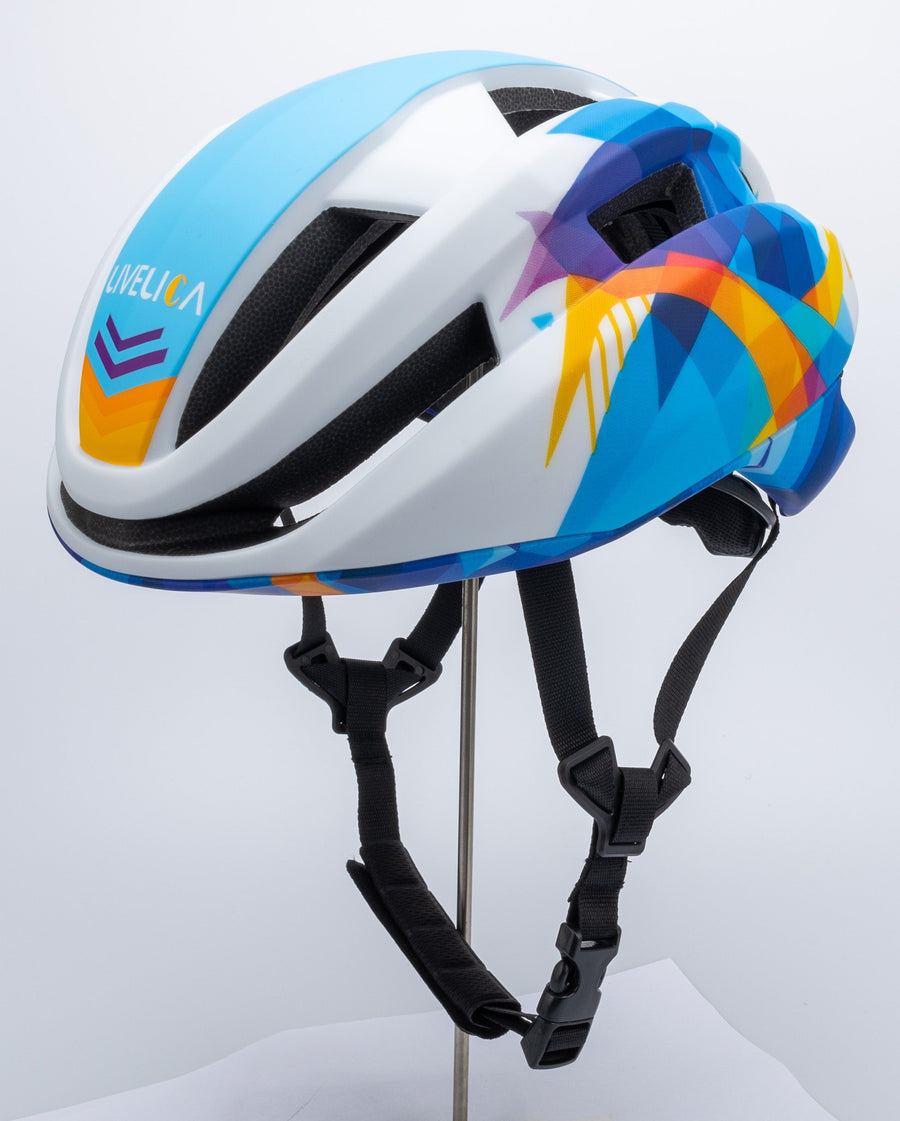
Children bounce. Adults do not, and an adult wrist injury costs you weeks of work as well as weeks of skating. A certified helmet is not negotiable, and a light ventilated lid like the LiveLica ventilated EN1078 helmet is comfortable enough that you will actually keep it on in the heat. Add gloves, because hands go down first in almost every fall, and a pair of LiveLica skate gloves saves the palms that your job probably depends on. Knee pads are worth wearing in the first two months even if you plan to drop them later.
How much should you skate in the first three months?
Three sessions a week is the sweet spot for almost every adult beginner. Two is enough to improve slowly. Four is usually too much too early, because the limiting factor in month one is not fitness but the tolerance of your ankles, feet and lower back to a brand new movement.
Make the sessions short and frequent rather than long and heroic. Forty minutes of focused work three times a week will beat one two hour weekend session every time, because skill is built by repetition spread out over days. Leave at least one full rest day between your two hardest sessions, and treat any sharp pain as information rather than something to push through.
The mistakes adults make most often
- Buying the fastest setup first, then spending months fighting the stand height instead of learning to push.
- Skating only in a straight line because corners feel frightening, which builds a stride that falls apart on a track.
- Standing too upright, which shortens every push and tires the lower back far faster than the legs.
- Training one side only, so the left and right stride never match and cornering stays uneven for years.
- Never filming themselves, so a fault that a coach would spot in ten seconds survives for a whole season.
- Comparing week six to a club skater's tenth year and concluding they have no talent for it.
Frequently asked questions
Am I too old to start inline speed skating?
No. Adults start in their thirties and forties regularly and go on to race club and masters events. Age changes your recovery needs and your mobility work, not your ability to learn the sport.
How long before I can skate properly?
With three sessions a week, expect to feel steady at around four weeks, to have a recognisable stride at eight weeks, and to be skating continuously for an hour at twelve weeks. Racing speed takes a season or more, which is normal.
Should I learn on recreational skates first?
Only if you cannot yet roll and stop safely. If you can do both, move to a speed setup sooner rather than later, because the low boot and long frame teach a different balance and the sooner you start adapting the better.
Do I need a coach?
A few sessions with a coach early on pays for itself, because the faults you build in month one are the ones you spend a year undoing. If no coach is available, film yourself from the side and from behind and compare it honestly against good skating.
What wheel size should an adult beginner buy?
Start at 90mm or 100mm on a four wheel frame. It sits lower, turns more easily and lets you learn the push. Move up to 110mm or 125mm once your stride and your corners are reliable.
Why does my lower back ache more than my legs?
That almost always means you are bending at the waist rather than sinking at the knees and hips. The fix is mobility work plus holding the low position for short periods until your legs take the load instead of your back.
Three months is enough to go from wobbling to genuinely skating, provided you spend the first month on balance, the second on the push, and the third on putting it together. Get the setup sensible rather than exotic, protect your hands and your head, and keep the sessions short and regular. When you are ready to step up the setup, a longer frame with bigger wheels and a clean set of bearings are the two changes that will actually feel like free speed.