Can you use a bike helmet for inline skating? It is one of the most common questions we get from skaters who already own a cycling lid and do not want to buy a second helmet just to start skating. The short answer is that a properly certified cycling helmet that fits you is far better than no helmet, and for road and speed skating it is often exactly the right design. The longer answer is that a few things do differ between how cyclists and skaters fall, that not every helmet sold as a bike helmet is actually certified, and that fit and age matter more than the label on the box. This guide walks through all of it so you can make an honest decision about the helmet you already own, and know what to look for if you decide to buy one for skating.
We skate on the road and the track ourselves, and every product detail in this article comes from our own listings rather than guesswork. If you want the full buying guide, our article on choosing an inline speed skating helmet covers weight, ventilation and sizing in depth. This one answers the narrower question of whether the helmet in your cupboard will do the job.
The standard that covers both bikes and skates
The first thing to understand is that in Europe, and in most of the world that follows European standards, cycling helmets and skate helmets are tested under the same rule. CE EN1078 is the recognised standard for helmets used by pedal cyclists and by users of skateboards and roller skates, and the test covers impact absorption, the strength of the straps and buckle, and how well the helmet stays on the head. A helmet that carries a genuine EN1078 mark has passed the same tests whether the shop called it a bike helmet or a skate helmet.
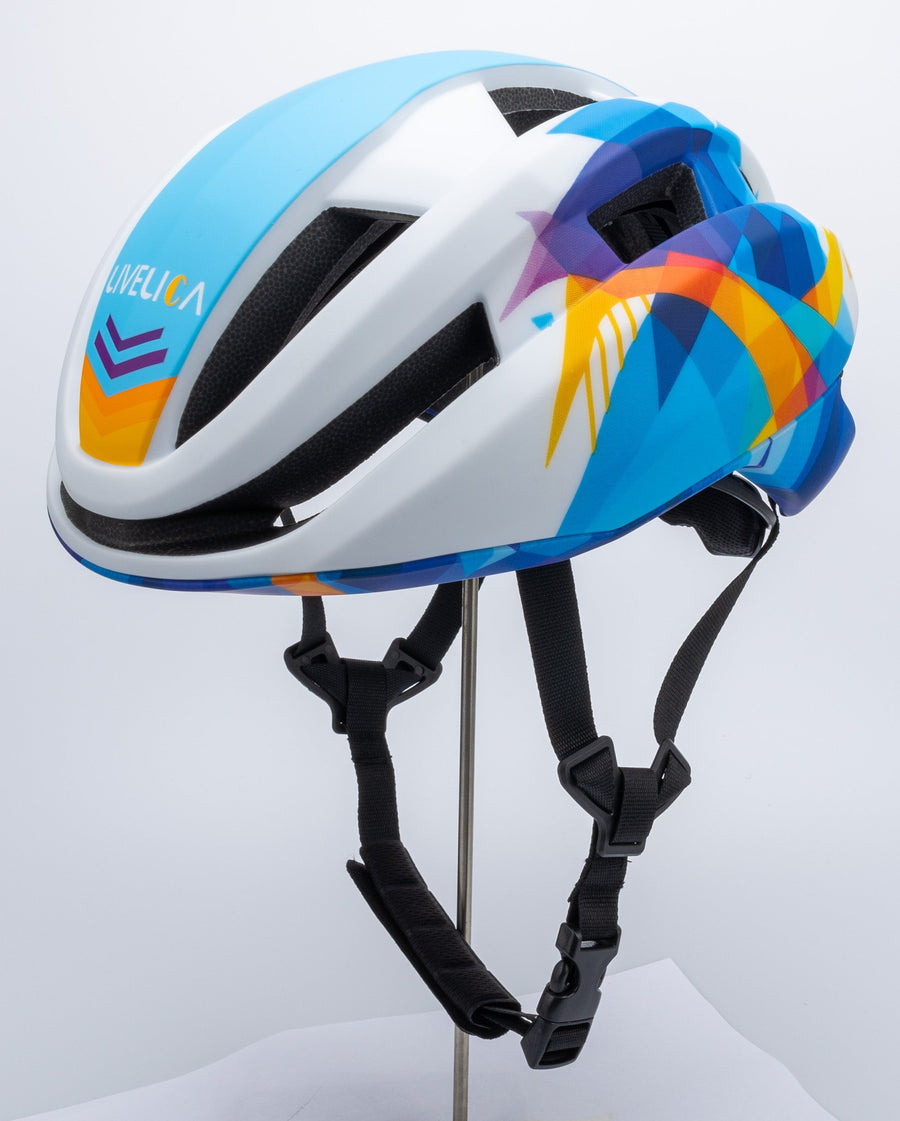
That is why the LiveLica Ventilated Skate Helmet is described as certified to CE EN1078, the European standard for skate and cycle helmets. It is built the way a modern road cycling helmet is built: a high density EPS foam liner that crushes to absorb an impact, a tough polycarbonate outer shell that resists knocks and spreads the load, and the two fused together with in mold construction so the whole thing weighs 250 grams. If you look at the helmets worn by inline speed skaters at any serious road race, you will see the same design language, because for skating at speed on tarmac it is the right tool.
So the honest starting point is this: if your cycling helmet carries a real EN1078 label inside the shell, it has passed a test that was written with roller skaters in mind. The remaining questions are about fit, age, coverage and the kind of skating you do.
How skaters fall, and why it changes the conversation
Cyclists most often go forward over the handlebars, so a cycling helmet puts a lot of its protection at the front and the sides. Skaters fall differently. A beginner on inline skates tends to lose balance backwards, when the wheels shoot out from under them, and lands on the tailbone with the head snapping back towards the ground. A faster skater more often goes down sideways in a corner or forward over a stone, sliding rather than tumbling. That variety is why dedicated skate helmets, especially the hard shell ones used in skate parks, extend further down the back of the head than a typical road cycling helmet does.
A cycling helmet concentrates coverage at the front and sides. A skate shape extends further down the back, which matters most for beginners who fall backwards.
Does that mean a cycling helmet is unsafe for skating? No. It means the two designs are optimised for different falls, and where you sit on that spectrum depends on how you skate. A complete beginner learning to balance on fitness skates, falling backwards on a car park, gets real value from extra rear coverage. An experienced speed skater rolling at 30 kilometres per hour on a closed road is far more likely to go down forward or sideways, which is exactly the fall a cycling shaped helmet is designed around. That is why the speed skating world converged on cycle style lids in the first place.
One hard impact or many small ones
The second difference is how the helmet is meant to be used over its life. An EPS foam helmet, whether sold for cycling or skating, protects you by crushing. The foam collapses to absorb the energy of the impact so your skull does not have to, and once it has crushed it does not recover. That is why every reputable maker, including us, says to replace a helmet after any hard impact even if the shell looks fine. Hard shell park helmets built for skateboarding use a different construction that copes with repeated low speed knocks, but that construction is heavier and hotter, and it is not what you want for an hour of hard skating in Indian heat.
For inline speed and fitness skating, the practical rule is the same as it is for cycling. Treat your helmet as single use for serious impacts. A helmet that has already saved you once has done its job and needs to be retired, and a second hand helmet with an unknown history is not a bargain.
When your bike helmet is fine for skating
Put plainly, your cycling helmet is a good choice for inline skating when all of the following are true.
- It carries a genuine certification label inside the shell, such as CE EN1078, rather than a sticker on the box or nothing at all.
- It has never taken a hard impact and has no cracks in the shell, no dents or crumbling in the foam, and no fraying at the straps.
- It is not old. Foam and shell plastics degrade with sun, sweat and heat, and most makers suggest replacing a helmet after several years of use even without a crash.
- It fits. It sits level, does not rock forward or back, and the straps hold it in place when you shake your head.
- Your skating is road, track, fitness or speed skating, where falls tend to be forward or sideways and ventilation matters.
If you tick all five, wear it and go skating. The best helmet is the certified one you will actually put on for every single session.
When you should buy a helmet for skating instead
There are a few situations where the cupboard helmet is not the answer. If it has no certification mark, it is a hat, not a helmet, and cheap uncertified lids are common online. If it has been crashed, dropped hard from height, or left on a parcel shelf in the sun for two summers, retire it. If it is a child's helmet that no longer fits, or an adult helmet that slides around on a smaller head, it will not stay in place in a fall. And if you are learning to skate as a complete beginner, or skating ramps and park features, a helmet with more rear coverage is worth having for the backward falls you will take while you learn.
For road and speed skating, what you want is a certified, light, well ventilated lid with a proper retention system, which is the brief the LiveLica Stealth helmet in matte black and its white counterpart were built to. Both weigh 250 grams, both are CE EN1078 certified, both use a rear adjustable dial so the fit is locked in with one turn, and both have removable, washable padding, which matters when you are sweating through a session in summer. They fit head circumferences of 55 to 58cm.
How to check the fit, whichever helmet you use
Fit is where most helmets fail, and it is the one thing you can fix for free today. Measure around your head just above the ears and eyebrows with a soft tape, keeping it level, and compare that number to the helmet's size range. Then put it on and run through the four checks below.
Level on the head, straps in a V under the ears, one finger under the chin, and no rocking. Any helmet that fails these is not protecting you properly, however good its certification.
A helmet that passes all four is doing its job. A helmet that sits tipped back on the crown, with the forehead exposed, is the most common mistake we see at skate meets, and it takes ten seconds to fix by shortening the front straps and turning the dial.
A simple decision path
If you want the whole article in one picture, here it is. Start with the helmet you own and answer the questions in order.
Certification, condition and fit decide it. The label on the box does not.
What about short track and ice?
One place where a bike helmet is not the answer is short track speed skating on ice. Short track governing bodies specify helmets with a smooth, rounded shell and no protruding vents or edges, because a fall on the ice at speed can send a skater sliding into the pads and into other skaters, and anything that can catch is a hazard. A ventilated cycling shell is designed for airflow, not for sliding. If you are moving from inline to the ice, budget for a dedicated lid such as the StayBent Short Track Speed Skating Helmet, and read our short track helmet guide for the fit and rule details. On the road, though, your cycling helmet and a dedicated inline speed helmet are far closer cousins than most people think.
Looking after whichever helmet you choose
A helmet lasts longer and protects better with a little care. Wash the pads when they get sweaty and let them dry fully before refitting. Wipe the shell with a damp cloth and skip solvents, which can weaken foam and plastic. Keep it out of direct sun and out of a hot car, because heat ages EPS. Do not hang it from the straps on a hook where it swings into a wall every time someone walks past. And when it has taken a real hit, thank it and replace it. Our guide on when to replace a skate helmet goes into crash damage, age and foam wear in more detail. Pair it with a pair of skate gloves, because hands go down first in nearly every fall and a helmet protects nothing below the ears.
Frequently asked questions
Is a bike helmet safe for rollerblading?
A certified, undamaged cycling helmet that fits properly is safe for inline skating, and for road and speed skating it is the design most skaters use. Check for a genuine certification label such as CE EN1078, check the condition, and check the fit.
What is the difference between a skate helmet and a bike helmet?
Mainly shape and coverage. Skate style helmets extend further down the back of the head to suit backward falls, and hard shell park helmets are built for repeated small knocks. Cycling shaped helmets concentrate protection at the front and sides, vent better and weigh less, which suits forward and sideways falls at speed.
Do I need a special helmet for inline speed skating?
You need a certified helmet that is light, ventilated and fits, which describes both a good road cycling helmet and a dedicated speed skating helmet. The LiveLica Ventilated Skate Helmet is CE EN1078 certified, weighs 250 grams and uses a rear dial fit system.
Can I use a bike helmet for short track ice skating?
No. Short track requires a smooth shelled helmet without protruding vents. Use a dedicated short track helmet on the ice.
How do I know if my helmet is certified?
Look inside the shell for a printed or stitched label naming the standard, such as CE EN1078. If there is no label, treat the helmet as uncertified and replace it.
How often should I replace a helmet I have never crashed?
Inspect it every season for cracks, crumbling foam and worn straps, and replace it when any of those appear or when the maker's recommended service life runs out. Sun, sweat and heat all shorten that life.
So, can you use a bike helmet for inline skating? If it is certified, undamaged and fits, yes, and on the road it is very likely the right shape for the way you will fall. If any of those three fail, buy a helmet you trust and wear it every time. If you are unsure whether the helmet you own is up to it, send us a photo of the label and we will tell you honestly.