Walk around any inline speed skating training session in India and you will see every possible answer to the gloves question. Some skaters race in nothing, some wear cycling gloves, some wear thick wrist guards that make it impossible to close a hand, and a few wear proper skate gloves. Ask why and most people shrug. Gloves are one of those pieces of kit that nobody talks about until the day they hit the track palm first and lose a week to a scraped hand. This guide covers what gloves actually do for an inline skater, when you need them, what to look for, how to size them, and how to care for them so they last more than a season.
It is written for inline speed skaters on tracks and roads. If you are looking for short track ice gloves, which are a completely different, cut resistant product, read our short track glove guide instead.
What happens to your hands when you fall on inline skates
A fall on wheels is different from a fall on ice. On ice you slide, and the danger is the blade of another skater. On asphalt or a coated track you do not slide much at all. You hit, and the surface grips. The instinct in almost every fall is to throw the hands out, and the palms take the first contact at whatever speed you were skating. At training speed that is enough to remove skin. At race speed it is enough to do real damage.
The heel of the palm, the pad below the little finger and the fingertips are the areas that hit first, in that order. Knuckles and the back of the hand take damage in a second stage when the arm rolls, and wrists take the bending load. A skate glove protects the first stage. It will not stop a wrist injury, which is what a wrist guard is for, but it turns a skin removing scrape into a bruise you forget about by the next session.
The heel of the palm takes the first hit in almost every forward fall, which is why padding lives there and not on the back of the hand.
What skate gloves do that cycling gloves do not
Cycling gloves are built to cushion a hand that is gripping a bar for hours, so the padding sits under the base of the fingers and along the thumb, and the back is often mesh with a towelling thumb. That padding pattern is almost the reverse of what a skater needs. A skate glove puts its light padding across the heel and outer edge of the palm, where the first contact happens, and keeps the rest of the palm thin so the hand can still close naturally.
Full finger coverage matters too. Many cycling gloves are fingerless, and fingertips are the third contact zone in a fall. A full finger glove also keeps the sun off the back of the hand on long road sessions, which anyone who has skated a summer marathon in India will appreciate.
Grip, sweat and why breathability matters
For a speed skater the gloves are on for the whole session, and the hands work harder than most people realise. At race pace the arms swing, and on the straights with the hands on the back they are pressed against a hot skinsuit for lap after lap. A thick or non breathable glove becomes a sweat trap within twenty minutes, and a sweaty glove is a slippery glove that starts to move on the hand.
That is why the LiveLica Skate Gloves are built from a highly breathable polyester fabric with a lightly padded palm rather than a heavy leather or neoprene shell. The fabric lets air through so the hands stay cool and dry, and the padding is kept to a thin layer across the palm so you keep a natural feel. They are designed as everyday training and skating gloves, not as armour, and that is the right trade for most inline skaters.
A thin breathable back with a light palm pad protects the contact zone without turning the hand into a sweaty fist.
Do you need gloves at every session?
Be honest about your risk. Gloves matter most when you are learning, when you are trying something new, when you are skating in a pack, and when you are skating on rough or wet surfaces. A beginner in the first few months falls often, and every one of those falls goes palm first. A skater working on the double push or on tight cornering is also falling more than usual. Pack training on a track adds the risk of clipping wheels with the skater in front. Road sessions add gravel, drains and dogs.
If you are an experienced skater doing a steady solo endurance session on a clean track, the risk is low and many skaters go without. That is a reasonable choice. The mistake is going without because gloves are annoying, when a light breathable pair would remove most of the annoyance.
Gloves and wrist guards are not the same thing
A wrist guard has a rigid splint that stops the wrist bending back past its limit. It is excellent protection for beginners on recreational skates, but most speed skaters find the splint gets in the way of the arm swing and makes it awkward to put the hands on the back. A skate glove has no splint. It protects the skin, not the joint. If you are new enough that wrist injuries are a real worry, wear a wrist guard for now and move to gloves as your balance improves. If you are past that stage, gloves give you protection without the restriction.
How to size skate gloves
A skate glove should fit like a second skin. Loose gloves bunch in the palm, catch on the skinsuit when you move the hands to the back, and shift on impact so the padding is never where you need it. Tight gloves restrict the fingers and get uncomfortable on long sessions.
The LiveLica Skate Gloves come in XS, S and L. To choose, put the glove on, close the hand into a fist and open it again. The fabric should follow the hand with no loose material across the palm and no strain at the fingertips or across the knuckles. The fingers should reach the end of the glove without the tips being folded or the webbing between the fingers pulled tight. If you are between sizes, message the store with a quick measurement of your hand width across the knuckles and the length from wrist crease to the tip of the middle finger, and they will point you to the right size.
Close the hand into a fist and open it. The glove should move with the hand, with no bunching and no strain.
Wearing gloves with the rest of your kit
Gloves are part of a system. A helmet protects the head, and the LiveLica Ventilated Skate Helmet with its dial fit system and CE EN1078 certification is the piece of kit no inline skater should be without. Gloves protect the hands. A skinsuit protects the skin on the rest of the body from road rash far better than shorts and a vest, which is one reason racers wear them even in training. If you are choosing between spending on gloves or a helmet, buy the helmet first. If you already have a helmet, gloves are the next cheapest way to reduce the cost of a fall.
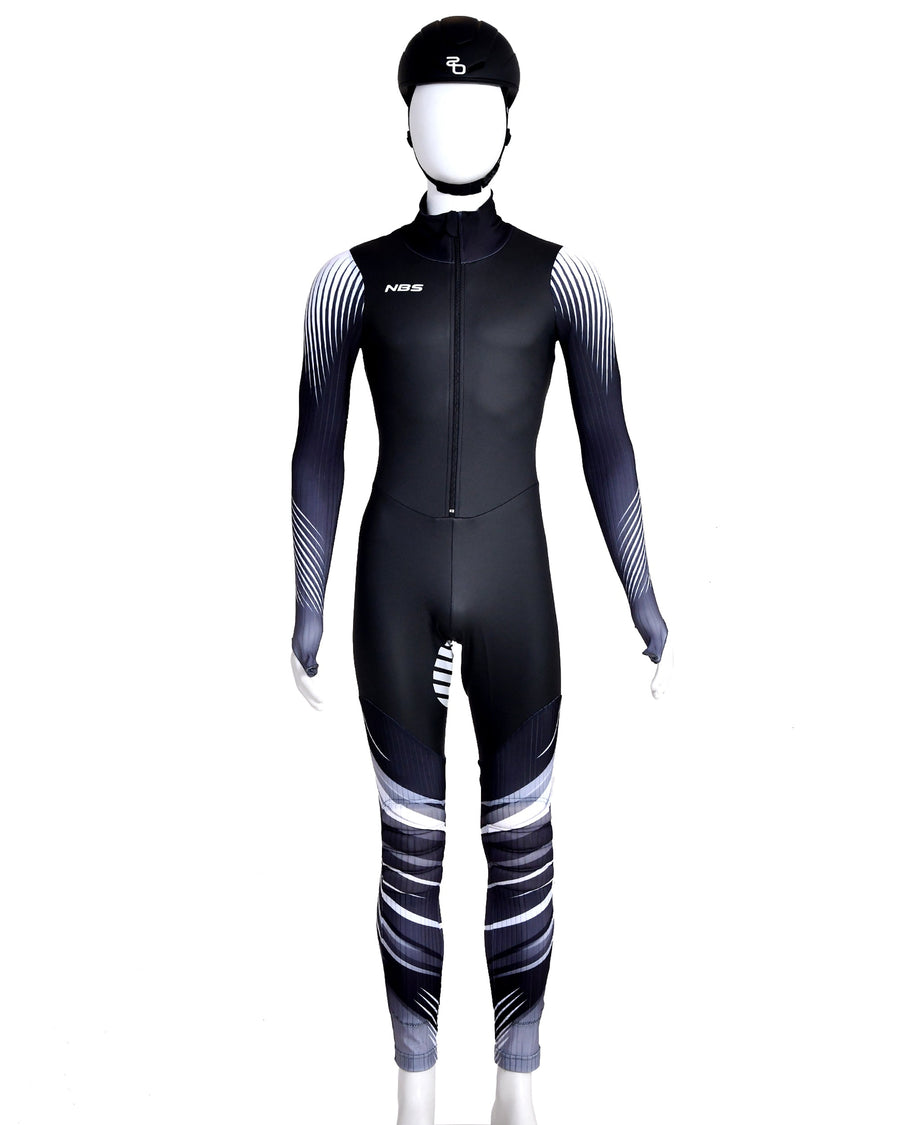
One practical note for skaters who put the hands on the back: a thin glove with a smooth back slides easily over a skinsuit and does not catch on the way up. A thick or textured glove can snag, which is a small thing that becomes irritating over a long session.
Caring for skate gloves
Gloves take more abuse than any other piece of kit except wheels. They soak up sweat every session, get dragged across asphalt in falls, and are stuffed into a skate bag wet. A few habits make them last.
- Rinse or wash them gently after sweaty sessions rather than letting them dry stiff with salt.
- Use a mild detergent. Harsh detergents break down the breathable fabric and the palm padding.
- Dry them flat, away from direct sun and heaters. Never tumble dry.
- Do not leave them balled up in the skate bag. Hang them or lay them out so they dry fully before the next session.
- Check the palm after a fall. A glove that has done its job may have thinned at the heel of the palm and should be replaced before the next hard session.
When to replace skate gloves
Replace them when the palm padding has flattened, when the fabric has worn through anywhere on the palm or fingertips, or when the fit has stretched so the glove moves on the hand. A glove that has survived two or three proper falls has usually earned its retirement. At the price of a pair of LiveLica Skate Gloves, keeping a fresh pair in the bag is a small cost against a scraped palm that keeps you off skates for a week.
Frequently asked questions
Are LiveLica Skate Gloves cut resistant?
No. They are comfort and training gloves for inline and general skating, with breathable fabric and a lightly padded palm. For short track ice, where cut protection is essential, use the StayBent Cut Resistant Gloves.
Can I race in them?
Yes. They are light and breathable enough for racing, and full finger coverage helps in a pack fall. Check your event rules if a specific glove type is required.
Should a beginner wear gloves or wrist guards?
If wrist injury is the worry, wrist guards. Once balance is settled and the arm swing matters, switch to gloves for skin protection without the splint.
What sizes are available?
XS, S and L. Use the fist test above, and message the store with hand measurements if you are between sizes.
How do I wash them?
Gently, with a mild detergent, and dry them flat away from direct heat. No tumble drying.
Browse the full range in the skate gloves collection, and pair them with a lid from the LiveLica helmet collection.