Ask ten skaters what an inline speed skating setup costs and you will get ten different answers, most of them either terrifying or suspiciously cheap. The honest answer is that a competitive setup is built from four separate purchases, each of which can be sensible or extravagant, and the total depends entirely on which level you are actually skating at.
This guide breaks the cost down component by component using the prices listed on LiveLica today, then builds three complete setups at three levels so you can see where a realistic budget lands. Every number here comes from our own product pages. Prices and stock do move, so treat these as a planning guide and check the page before you order.
What a speed skating setup is actually made of
A pair of inline speed skates is not one product. It is four, bolted together.
- The boot. The carbon shell that holds your foot. This is the part that must fit you, and it is the one part you should never buy on price alone.
- The frame. The aluminium rail under the boot that holds the wheels and sets your wheel size and wheelbase.
- The wheels. Eight of them for a standard four wheel pair, six for a three wheel setup. These are your consumable.
- The bearings. Sixteen for a standard four wheel pair. Two per wheel.
Then there is the kit around the skate: a helmet, a race suit, bearing oil and a few basic tools. Skaters usually forget these when they set a budget, and then find the budget was wrong by twenty thousand rupees.
Budget for all eight boxes, not just the shiny four. The bottom row is where surprise spending happens.
Frames: a flat 25,000 rupees across the range
Every frame in the LiveLica Aerolite range is listed at 25,000 rupees, whether you take the 4x90 track frame, the 4x100, the 4x110, the 3x125, the 90x3 or the Hi Lo. That is unusual and it is useful, because it means your frame choice is a decision about how you skate rather than about what you can afford.
Practically, this is good news for planning. You pick the wheel size that matches your discipline and your track, and the number stays the same. If you are unsure which layout suits you, our guide to choosing an Aerolite frame walks through each option.
Wheels: 17,000 to 24,500 rupees for a set of eight
Wheels are where most skaters underestimate the running cost, because a set is a single purchase but it is not a permanent one. Here is what the sets on LiveLica are listed at.
- MPC Black Magic: 17,000 rupees at 90mm, 18,000 at 100mm and 19,000 at 110mm, in XFirm and XXFirm.
- JUNK Voodoo: 17,500 rupees at 90mm, 18,500 at 100mm and 19,500 at 110mm, in XFirm and XXFirm.
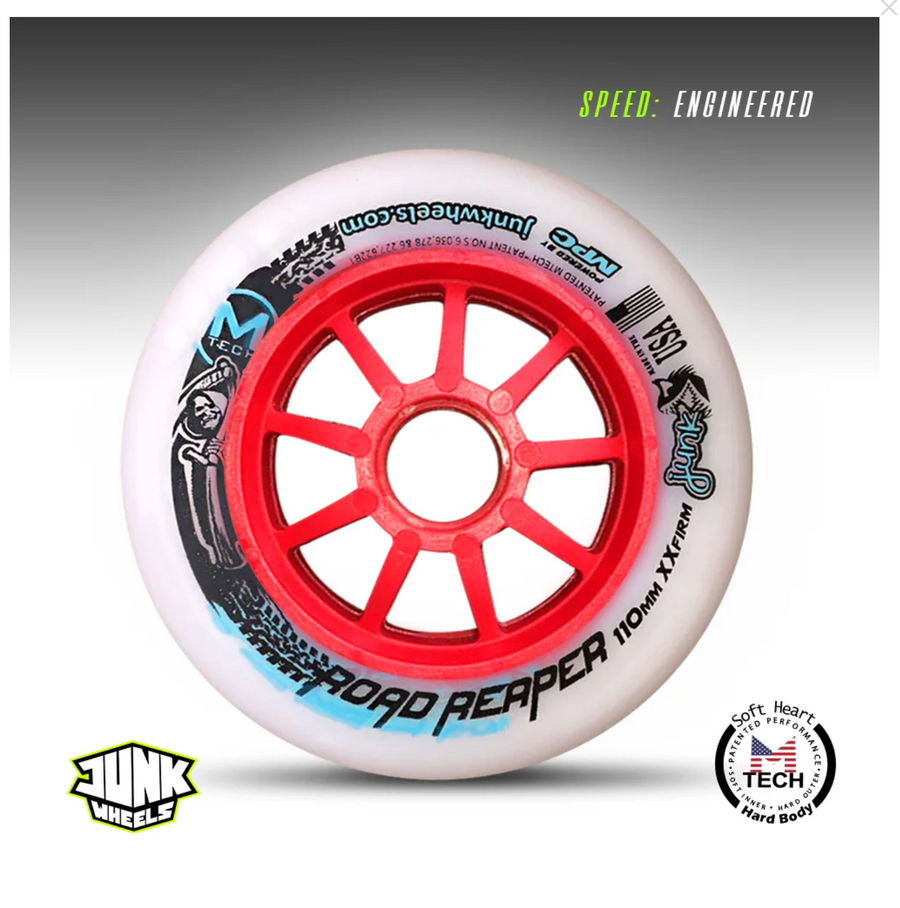
- JUNK Road Reaper 110: 24,000 rupees, in XFirm and XXFirm.
- Killer JUNK 110: 24,500 rupees, in XFirm and XXFirm.
All of these are sets of eight, which is exactly what a four wheel pair of skates needs. Browse the current options in the JUNK wheels collection, and if you are unsure about hardness, read our guide to XFirm and XXFirm before you commit.
Bearings: 9,080 rupees to 50,000 rupees
Bearings have the widest price spread of anything on the skate, which is why they cause the most confusion. The speed bearings collection runs from honest steel to a full mini bearing racing system.
- Power Bearings Red: 9,080 rupees, precision steel, and the set we point new racers toward.
- Power Bearings Super: 10,850 rupees, an ABEC 9 steel all rounder for training and racing.
- Swiss Steel Ball and 627 ABEC 11: 12,030 rupees each, the precision end of steel.
- Blackening and Super 6 Ball: 13,800 and 14,980 rupees, still steel, tuned for a freer roll.
- Gold Ceramic: 17,930 rupees, the gentlest way into ceramic.
- 6 Ball Ceramic, Colorful Titanium Ceramic and Swiss Ceramic: 23,240, 27,370 and 31,500 rupees.
- Speed Minimizer: 50,000 rupees, a mini bearing racing system rather than a normal set.
A standard four wheel pair needs sixteen bearings, so check the quantity stated on the product page before ordering. For a first competitive build, Power Bearings Red does the job honestly and leaves money for wheels, which will do more for your times.
Three complete builds and what they come to
Now the useful part. Below are three builds using the listed prices above, excluding the boot, which we come back to in a moment.
The jump from club to competitive is small. The jump to an elite build is almost entirely bearings and premium wheels.
The club build, 51,580 rupees
An Aerolite frame at 25,000, a set of MPC Black Magic 90mm at 17,000, Power Bearings Red at 9,080 and a bottle of Speedslick Pro bearing oil at 500. This is a real racing setup with nothing embarrassing on it, and the 90mm layout is friendly for a skater still building technique.
The competitive build, 54,850 rupees
The same frame at 25,000, JUNK Voodoo 100mm at 18,500, Power Bearings Super at 10,850 and oil at 500. For roughly three thousand rupees more than the club build you move up a wheel size and onto an ABEC 9 all rounder that is happy being trained on all week and raced at the weekend. For most skaters, this is the sweet spot.
The elite build, 81,000 rupees
Frame at 25,000, JUNK Road Reaper 110 at 24,000, Swiss Ceramic at 31,500 and oil at 500. Ceramic runs cooler on long efforts and holds speed in the second half of a race, which is a real advantage if your engine is already good enough that the equipment is the limiting factor. If it is not, that money buys a lot of wheels.
Add the kit around the skate
The four component total is not your final number. Budget for these as well.
- Helmet, 10,000 rupees. Both LiveLica helmets in the helmet collection are certified to CE EN1078 and use a dial fit system. This is not an optional line item.
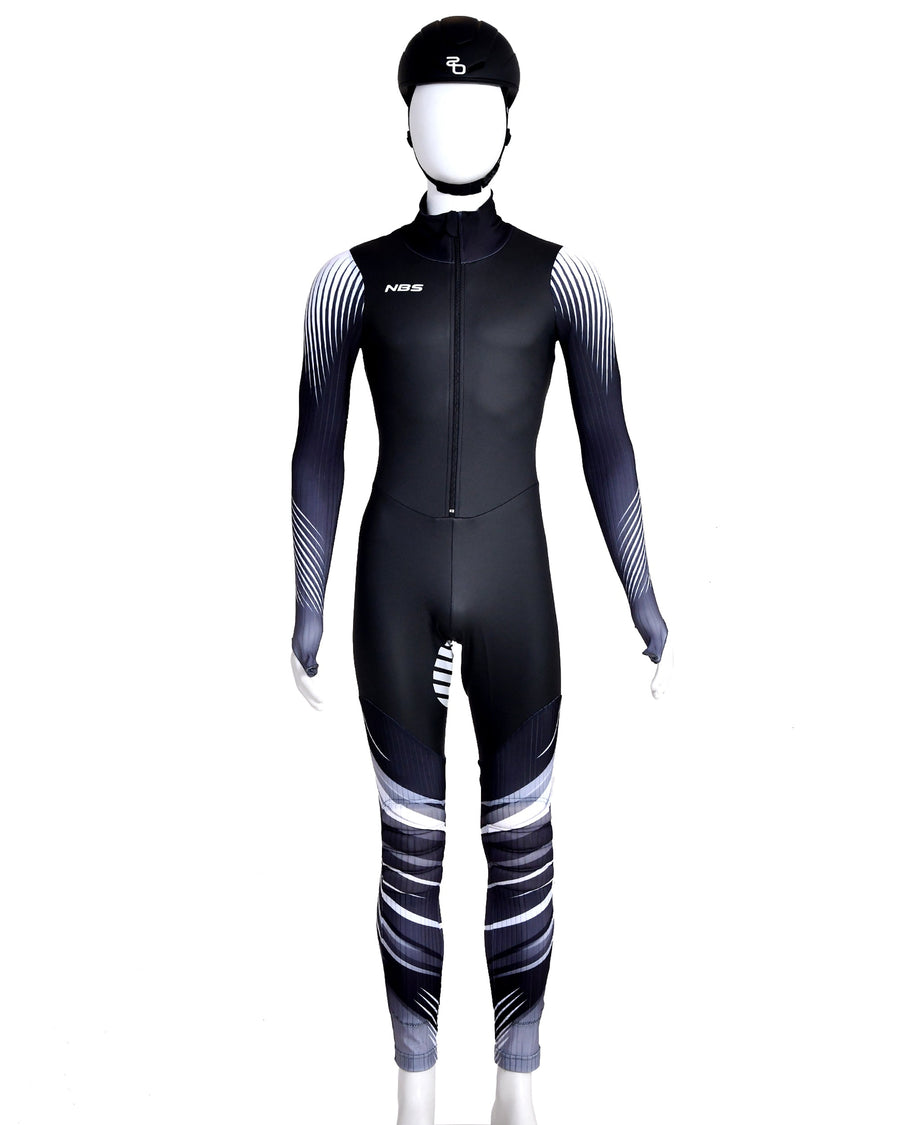
- Race suit, 5,000 rupees. The LiveLica Pro Skin Suit is listed at 5,000 rupees and is what you will race in.
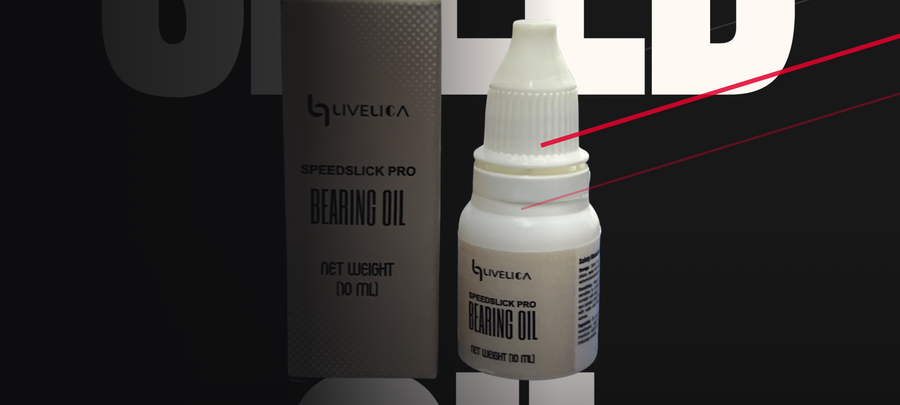
- Bearing oil, 500 rupees. One bottle lasts a long time and protects a purchase worth many times more.
- Tools. Allen keys, a bearing press or puller and a clean rag. Small money, saves damaged parts.
So a realistic all in figure, excluding the boot, is roughly 66,000 rupees at club level and around 96,000 rupees for a fully equipped elite build.
A word about the boot
We have deliberately left the boot out of the numbers above rather than invent one. Boot prices vary enormously by brand, construction and whether it is heat mouldable or fully custom, and a boot that does not fit your foot is money set on fire regardless of what it cost. Get measured, get fitted, and treat the boot as its own decision with its own budget. Our guide to choosing and fitting inline speed boots covers what to look for.
What you buy again, and what lasts
The setup cost is a one time number. The running cost is what actually shapes a season.
Plan your season around wheels and oil. Clean bearings last for years, and a frame outlives several sets of wheels.
Wheels wear and cone with use, so an active racer replaces them at least once a season and often keeps a separate training set to protect the race set. Bearings, by contrast, are a maintenance item rather than a repeat purchase. A cleaned and oiled set of steel bearings will outlast several sets of wheels, which is exactly why spending your first upgrade money on wheels usually beats spending it on ceramic.
How to spend a limited budget well
If your money is finite, and it always is, spend it in this order. Boot fit first, because nothing else works if your foot is not held. Then wheels, because they change grip, roll and how the skate feels under you every single stride. Then the frame, which sets your wheel size and stiffness. Then bearings, which matter but matter least of the four.
The mistake we see most often is a skater on a poorly fitting boot with 31,500 rupee ceramic bearings, wondering why they are not faster. Ceramic bearings save watts. A boot that does not fit costs you far more than watts.
Frequently asked questions
What is the cheapest complete setup that is still competitive?
Using listed prices, a frame, a set of 90mm wheels, Power Bearings Red and a bottle of oil comes to 51,580 rupees, plus a boot and a 10,000 rupee helmet. That is a genuine club racing setup.
How many bearings and wheels do I need?
Eight wheels and sixteen bearings for a standard four wheel pair. A three wheel setup takes six wheels and twelve bearings.
Are ceramic bearings worth 31,500 rupees?
For a serious racer who trains regularly and maintains their kit, ceramic runs cooler and holds speed on long efforts. For everyone else, good steel plus better wheels is the smarter spend.
Do these prices include the boot?
No. Boot pricing varies too widely by brand and construction for a single figure to be honest, and fit matters more than price. Budget for it separately.
How often will I be spending money after the first purchase?
Wheels once a season for an active racer, oil as needed, and bearings only when a set is genuinely finished rather than merely dirty.
The short version
Frame at a flat 25,000 rupees, wheels between 17,000 and 24,500, bearings from 9,080 upward and oil at 500. That puts a club setup at 51,580 rupees and an elite one at 81,000, before the boot and before a 10,000 rupee helmet. Budget honestly, spend on fit and wheels first, and keep your bearings clean rather than expensive.