Turn up to your first proper inline speed skating meet and the programme can read like a foreign language. Time trial, 500 metre plus distance, one lap sprint, elimination, points race, points elimination, ten kilometre, marathon. Each one is a different sport in disguise. Some reward pure explosive power, some reward patience and reading the pack, and a few punish you for skating the way you would in the other formats. Skaters who understand the shape of each race arrive with a plan, a matching wheel choice and a calmer head on the line. This guide explains every common inline race format, how it is run, what wins it, and how to prepare your body and your setup for each one. It is written for skaters in India who are moving from club sessions into state, national and open competition, but the principles apply on any track or road in the world.
Why the format matters as much as the distance
Many skaters think of races only by distance. A short race is a sprint, a long race is an endurance test, and everything else sits somewhere between. That is half the story. Two races of the same length can demand completely different skating. A 500 metre time trial skated alone against the clock is a smooth, maximal effort from start to finish. A 500 metre race with a full heat of skaters is a fight for the first corner, a period of positioning, and a sprint that starts long before the bell. The distance is identical, the winning skill set is not.
The format decides three things. It decides whether you race the clock or race other people. It decides whether the whole race counts or only certain moments count. And it decides how much energy you must keep in reserve for the moment that actually settles the result. Once you see races through that lens, the programme stops being a list of numbers and becomes a set of puzzles you can solve.
Time trials: you against the clock
A time trial is the purest test in the sport. Skaters go one at a time, or occasionally in pairs on opposite sides of the track, and the fastest time wins. Common time trial distances are 200 metres and 300 metres on the track, with longer time trials sometimes run on road circuits. There is nobody to draft, nobody to block you and nobody to blame. Your start, your first three strides, your line through the corners and your ability to hold form while your legs fill with acid decide everything.
How to skate a time trial
The start is where most time is lost or gained. A clean, low, driving first stride with no slipping sets the whole run up. From there the aim is to reach full speed as early as you can and then lose as little as possible. Skate the shortest legal line through each corner, keep the upper body still, and resist the urge to overstride on the straights. The last fifty metres of a 300 metre effort feel like a wall. Skaters who stay low and keep their cadence through that wall finish faster than skaters who stand up and reach.
Setup for a time trial
Because there is no pack, grip in the first corner is worth more than raw roll. This is the format where the grippier of two race compounds often pays. A wheel like the JUNK Voodoo XFirm, an 84 to 86A compound made for hard, smooth, dry surfaces, gives a start and a first corner you can push against without fear of the rear wheel washing out. Fresh, clean bearings matter too, because in a race that lasts under thirty seconds you never reach the phase where drafting hides a slow set.
In a time trial there is nobody to hide behind, so the race is won on the start and on holding the tightest clean line through both corners.
Sprint races: the fight for the first corner
Sprint races are short, mass start events. The most common are the 500 metre plus distance, which is a 500 metre race run through heats, quarter finals, semi finals and a final, and the one lap or 1000 metre races run in a similar knockout structure. A handful of skaters, usually four to six, line up together, and the first across the line wins. Places carry you through to the next round, so a sprint day can involve three or four full efforts before the final.
What wins a sprint
The first corner decides most sprint races. Whoever leads into it gets to choose the line and forces everyone behind to react. That is why sprinters commit so hard off the line. The second decisive moment is the last corner, where a skater who has sat in second or third position tries to come around on the outside or dive to the inside. Good sprinters know both moves and know when the leader is too strong to pass, in which case they stay in the draft and lunge at the line.
Setup for a sprint
Sprints reward acceleration and cornering confidence over top end roll. Many skaters run the same grippier compound they would use for a time trial, and some go a size down in wheel diameter for quicker acceleration if their frame allows it. A snug race suit stops fabric flapping at the moment you are working hardest, and the LiveLica Pro Skin Suit, with its laser cut silicone leg gripper and ribbed sleeves, is cut precisely for the low, aggressive position sprinting demands.
Elimination races: survive the bell
The elimination race is the format that produces the most drama and the most tears. A large pack starts together. Every set number of laps, often every two laps on a 200 metre track, the last skater across the line is eliminated and must leave the track. This continues until a small group, commonly five or six skaters, is left to contest a final sprint. It is a race that punishes anyone who switches off for even a moment.
Tactics for an elimination
The instinct of a nervous skater is to sit near the front and stay safe. The problem is that leading costs energy on every lap, and the skaters behind you are rested when the final sprint arrives. Experienced elimination racers sit in the front third of the pack, never at the very back, and never boxed in on the inside where they cannot move up when the bell rings. On each elimination lap you need to be certain you are not last, which usually means being no further back than the middle of the group as you enter the final corner before the line.
The other skill is counting. You must always know which lap is an elimination lap. Skaters get eliminated in every competition purely because they lost count and cruised across the line on the wrong lap. Listen for the bell, watch the lap board, and if in doubt assume the next line crossing counts.
In an elimination race the safe place is the front third of the pack, with room to move up on every bell lap without leading the whole way.
Points races: only some laps count
A points race is a long race, often ten or fifteen kilometres on a track, where the winner is not the first across the final line but the skater with the most points. Points are awarded to the first few skaters across the line on designated sprint laps, which come at regular intervals, and usually a larger share of points goes to the finish. Some competitions also award points for lapping the field. It is the most tactical race on the programme.
How to race for points
The trap in a points race is trying to win every sprint. The skater who does that empties the tank halfway through and watches the final sprints go to fresher legs. Smart points racers pick their sprints. They go hard for some, sit in the draft and let others fight for others, and always know the current points table so they can decide whether the last sprint matters or whether they are already safe. Because the finish usually carries the most points, keeping enough energy for the last two laps is often worth more than two intermediate sprint wins.
Points elimination
Many programmes combine the two formats into a points elimination race. Sprint laps and elimination laps alternate, so you are collecting points on some laps and simply surviving on others. This is the hardest format to manage mentally because you must track two different lap counts at once. Write the sequence on your hand or tape it to your wrist if the organiser publishes it in advance. Skaters who know the sequence cold have an enormous advantage over skaters guessing from the bell.
A points race rewards the skater who chooses which sprints to contest and keeps enough energy for the finish, where the largest share of points usually sits.
Distance track races and road races
Alongside the tactical formats, most programmes include straight distance races such as 5000, 10000 or 15000 metres where the first across the line wins. On the track these become drafting races. A tight pack rolls at a pace that no single skater could hold alone, and the result is decided by a break with a few laps to go or by a bunch sprint. On road circuits the same logic applies, but the surface, the corners and sometimes small climbs add variety, and a strong skater can break away on a technical section where the pack cannot organise.
Racing in a pack
The single most valuable skill for distance races is sitting in a draft without touching the skater in front and without letting a gap open. Every metre of daylight between you and the wheel ahead costs energy. Learn to skate close, learn to look up the pack rather than at the boots in front, and learn to recognise when the pace is about to lift. The second skill is knowing your own finishing sprint. If you have a strong kick, your job is to reach the last lap in the top five with rested legs. If you do not, your job is to make the race hard early and hope the sprinters have gone before the final corner.
Setup for distance
Distance racing is where roll efficiency beats grip. Once the pack is up to speed the wheel is rarely loaded as hard as it is in a sprint start, so a firmer compound holds speed with less effort over the laps. The JUNK Voodoo XXFirm is built for exactly that, offering the highest roll efficiency in the Voodoo line. If the surface is slick or you are still learning to trust the wheel through corners, the XFirm version of the same wheel or the MPC Black Magic XFirm, with its soft inner ring inside a harder outer body, gives a little more grip while still rolling well.
The marathon
The inline marathon is the classic road distance of 42.195 kilometres, and half marathons of around 21 kilometres are increasingly common at Indian and international events. These are long, mass start road races that combine everything above. There are early breaks, long spells of pack skating, points of attrition on climbs or rough surface, and a bunch sprint or a small breakaway at the finish. Pacing and drafting matter more than in any other format, and so does the small stuff, like drinking on the move and knowing where the bad tarmac is.
Setup for a marathon
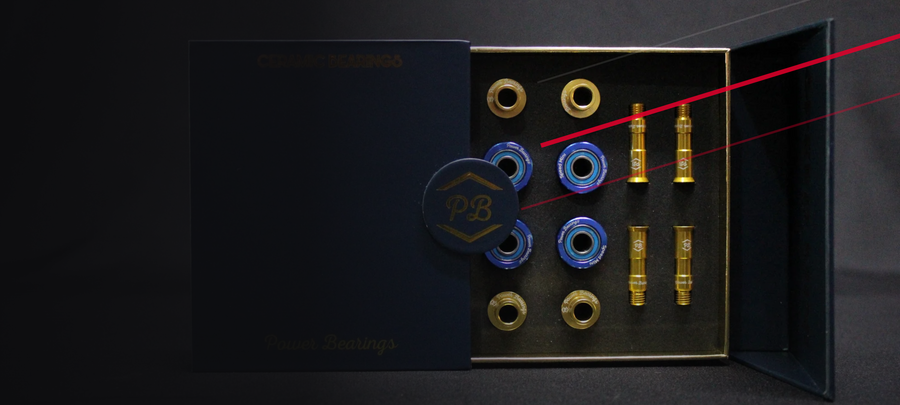
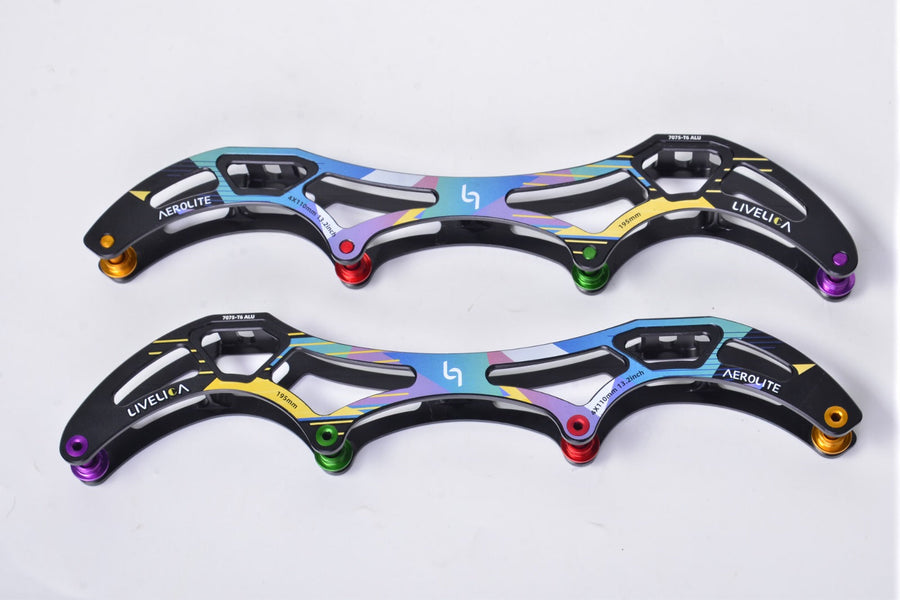
The marathon is the natural home of the big wheel. The LiveLica Aerolite 3x125, a 155 gram three wheel frame cut from 7075 T6 aluminium, is made for this kind of road distance, with three 125mm wheels rolling further on every push and a 12.6 inch platform that tracks straight when you are tired. Whatever your frame, fit clean, freshly oiled bearings before a marathon. A small amount of extra drag is nothing over 300 metres but adds up over 42 kilometres. Browse the Power Bearings range if your current set is past its best.
Reading a race programme and planning your day
A competition day often stacks several formats back to back. You might skate a 300 metre time trial in the morning, a 500 metre heat and semi in the early afternoon and a points race at the end of the day. Plan for it. Warm up fully for the first event and keep the legs moving between events rather than sitting cold for two hours. Eat small amounts often. If you have two wheel sets, decide in advance which format gets the grippy set and which gets the fast set, and change them in a gap when you are not rushing.
Also take the time to understand the scoring for the combined result if there is one. Many meets award an overall title from points across all formats. A skater who is a strong sprinter but skates the elimination race badly can throw away an overall medal that was already won on the track.
Frequently asked questions
Which format should a beginner enter first?
A time trial. It is the least intimidating because there is no pack to negotiate, and it gives you an honest number to improve on. Distance races in a pack are best entered once you can skate close to other people comfortably at speed.
Do I need different wheels for different formats?
Not to start with. One good race set works across the whole programme. As you progress, a grippier compound for time trials and sprints and a firmer, faster rolling compound for distance and marathon is the usual split.
What happens if I am eliminated in an elimination race?
You leave the track immediately and safely, moving to the outside and off the racing line. Your finishing position is recorded by the order of elimination, so being eliminated late still counts for placing.
How are ties resolved in a points race?
Rules vary by federation and event, but a common tie break is the placing at the finish line. Check the specific regulations for the competition you are entering.
Are the distances the same at every competition?
No. The exact distances, lap counts and sprint intervals vary between federations, age categories and track sizes. Always read the programme and the technical regulations for the specific event.
Know the format, and the race becomes far less about luck. If you want help choosing wheels, frames or bearings for a particular event, message the LiveLica team and tell us what is on your programme.