Two skaters with the same legs, the same wheels and the same skin suit can finish a marathon minutes apart, and very often the difference is not fitness at all. It is where they chose to skate inside the pack. Inline speed racing is a game of air. At racing speed the wind is by far the biggest force slowing you down, and the skater who spends the race hiding from that wind while everyone else fights it will still be fresh when the sprint comes. This guide explains how drafting works, how to sit safely in a pace line, how to move up through a group without wasting a match, and when to leave the shelter and attack. Learn this and you will get more from the legs you already have.
Why air is the enemy in inline racing
When you skate on the flat, most of your effort does not go into the ground. It goes into pushing a hole through the air in front of you. The faster you go, the harder the air pushes back, and it climbs steeply rather than gently, so a small increase in speed is a large increase in the effort needed to hold it. This is why a lone skater off the front almost always gets swallowed by a relaxed pack. The pack is sharing the work of breaking the wind, and the lone hero is paying the full bill alone.
The practical takeaway is simple. If you are the skater in front, you are working the hardest for the same speed. If you are tucked in behind someone, the air has already been pushed aside and you slide into the calm pocket they leave behind. That pocket is the draft, and learning to live in it is the first skill of pack racing.
The lead skater pushes the air aside and leaves a calm pocket behind, where a following skater holds the same speed for far less effort.
How to sit in a draft safely
Sitting in a draft sounds like free speed, and it is, but only if you do it under control. The closer you follow, the more shelter you get, so good pack skaters ride close. That closeness demands smoothness, because a twitchy skater who lets wheels overlap will eventually clip the skater in front and bring people down. Keep your eyes up and read three or four skaters ahead, not just the pair of skates directly in front of you, so you see slowdowns before they reach you.
Stagger, do not point straight in
Sit slightly to one side of the skater ahead rather than perfectly nose to tail. A small stagger means that if they check their speed suddenly, you have somewhere to go rather than nowhere. It also lets you glance forward past their hip to read the road.
Match speed with your body, not your brakes
You control your gap by rising a little out of your tuck to catch more air and slow gently, or dropping lower to close a gap. Constant hard braking with your wheels wastes the energy you came here to save and unsettles the skaters behind you.
Protect your equipment feel
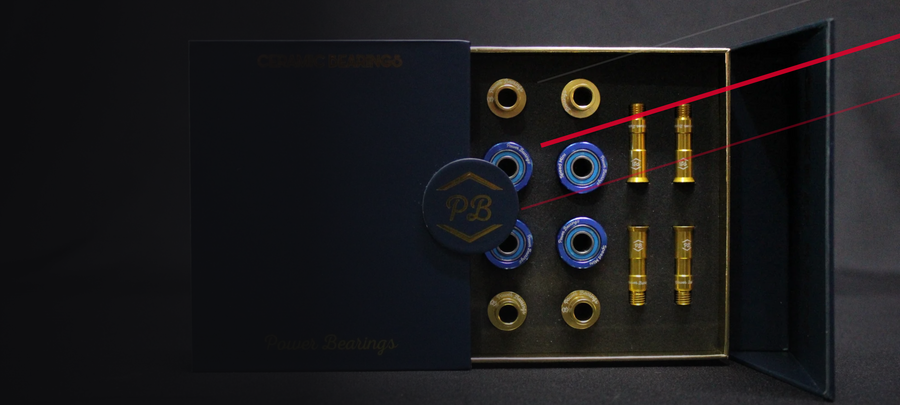
Riding smoothly in a pack is much easier when your setup rolls predictably. Bearings that spin freely and consistently mean you are not surging and fading, which keeps your gap steady. It is worth keeping your Power Bearings clean and fast so your speed is smooth and your draft position is easy to hold.
Moving up through the pack
Sitting in is comfortable, but you cannot win from the very back, and being buried at the rear is dangerous when a gap opens or a crash happens. The art is to move forward while spending as little extra energy as possible. The wrong way is to swing out into the wind and sprint up the outside, which burns a huge match for a few places. The right way is to move up in short, cheap steps whenever the pack naturally opens a lane, then tuck straight back into shelter.
Watch for the moments the pack stretches, such as the exit of a corner or a small surge, because gaps appear then and you can slot forward into them without a big effort. Always have a target wheel to sit behind before you pull out of your current shelter, so you are only exposed to the wind for a second or two before you are hidden again.
Sprinting up the outside pays the full wind bill, while slotting through a gap that the pack opens costs almost nothing.
Reading the corners
On a road course or a banked track, corners are where positions change. A pack naturally funnels toward the inside line, so the skater who arrives at the corner already near the front and near the inside controls the group. If you are on the outside going into a bend, you have to skate a longer path at the same speed, which quietly costs you energy every single lap. Spend your moving up effort before the corner so that you enter it in a strong position, then let the geometry work for you rather than against you.
Your equipment choices show up here. Longer frames and larger wheels roll and hold speed beautifully on the straights, while your ability to change edge quickly helps you hold a tight line through the bend. If you are choosing a setup for fast group racing, our Aerolite frame range covers the common lengths, and a four by 110 setup such as the LiveLica Aerolite Frame 4x110 is a popular choice for holding high speed in a marathon pack.
When and how to attack
The whole point of saving energy all race is to have something left when it matters. An attack works when it is a surprise and when the pack is tired or inattentive, not when you simply feel impatient. The best attacks come out of shelter. You sit calmly on a wheel, then accelerate hard past it before anyone can grab your draft, and you commit fully so that a gap opens behind you. A half hearted move just tows the pack up to speed and leaves you exposed in front with nothing gained.
Pick your moment
Late in the race, out of the final corner, or just after a surge has strung the pack into a thin line are all strong moments. In each case the skaters behind are already at their limit and are slow to react.
Make it count with your gear
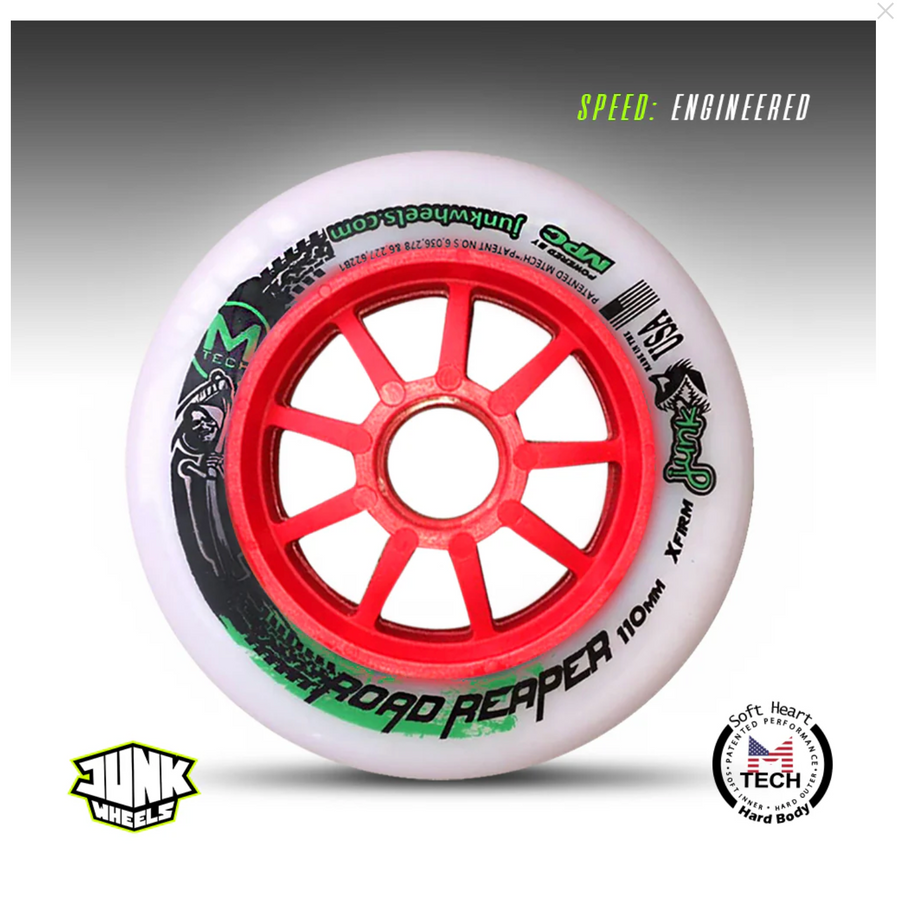
An attack is a pure fight against the air, so anything that reduces your drag pays back directly. A close fitting race suit makes a real difference when you leave the shelter, which is exactly what a proper skin suit is designed for. Have a look at the LiveLica Pro Skin Suit if you want your effort to translate into speed rather than flapping fabric. Grippy, consistent wheels also let you put that power down cleanly out of the last corner, and you can compare compounds across our JUNK wheels collection.
Standing tall turns your body into a wall for the wind, while a low tuck lets the air slip over your back for far less drag.
Putting it together on race day
A smart pack race has a rhythm. Early on you settle in, stay out of the wind, and keep yourself in the front third where it is safe and where the moves happen. Through the middle you move up in cheap steps, always with a target wheel, and you set yourself up before every corner rather than scrambling after it. You keep your kit smooth so your speed is steady, which makes holding a draft effortless. Then, when the race is on its knees, you spend everything you saved in one committed attack from shelter. That is how a skater with ordinary legs beats stronger riders who spent all day taking the wind.
Frequently asked questions
How close should I follow to get a good draft?
Closer gives more shelter, but only follow as close as you can control smoothly. Start with a comfortable gap, keep your eyes up the road, and tighten it as your pack skating confidence grows. A steady gap you can hold beats a tiny gap that makes you brake and surge.
Is it cheating to sit in and not take the wind?
No, it is racing. Sharing and hiding from the wind is a core skill of every pack sport on wheels. Taking your turn in the wind is good etiquette in a friendly training group, but in a race your job is to arrive at the finish with the most energy left.
Why do I get dropped even when I feel strong?
Often it is position rather than fitness. If you sit at the very back you get whipped around in the corners and have to sprint to close gaps, which slowly empties your legs. Move into the front third and skate a shorter, calmer path, and the same fitness lasts much longer.
Does my gear really change how the pack treats me?
It changes how easily you hold position. Smooth, fast bearings and grippy wheels keep your speed steady so drafting is simple, and a close fitting suit saves real energy the moment you leave shelter. Good technique leads, but steady kit lets you use it.
Final word
Pack racing rewards the thinker. The wind is the real opponent, the draft is your shelter, and every position you take is a decision about how much you are paying to be there. Sit in, move up cheaply, set up before the corners, and save your one big effort for the moment the race is decided. Do that and you will find speed that was in your legs all along, just waiting for you to stop wasting it on the wind.