Races are won and lost in the first ten seconds far more often than skaters admit. A clean, powerful start puts you at the front of the pack, out of trouble, and in control of the race. A weak start buries you in the field, forces you to burn energy fighting back, and leaves your result in other people's hands. The good news is that the inline speed skating start is a skill, not a gift, and it responds quickly to focused practice. This guide breaks the start down into its parts so you can build a launch that gaps the field rather than chasing it.
We will cover the set position at the line, the running steps that get you moving, the transition into gliding strides, body lean, arm action, and the gear choices that help you accelerate. This is a practical, skater to skater walk through, so you can take each piece to your next session and drill it.
Why the start matters more than you think
Inline races are usually decided by position as much as raw speed. Getting to the first corner in a good spot means you skate in clean air, choose your own line, and avoid the concertina of braking and surging that happens at the back of a pack. On a track or a tight circuit, a poor start can cost you the whole race in the first two corners. Even in a long road event, a sharp start settles your nerves and lets you slot into the group you want rather than the one you are stuck with.
The set position at the line
Everything begins with a stable, loaded stance. Stand with your skates staggered, front skate pointing roughly down the track and the rear skate angled out for grip, feet about hip width apart. Bend deeply at the knees and hips so your weight sits low and slightly forward, over the balls of your feet. Your shoulders should be ahead of your hips, your eyes up the track, and your arms cocked ready to drive. The feeling you want is a coiled spring: low, balanced, and ready to explode forward on the gun.
A loaded set position: low hips, shoulders ahead of the feet, and a staggered stance ready to fire forward on the gun.
The running steps: your first few strides
The start is not a glide, it is a run. For the first several steps your wheels are angled outward and you push down and back like a sprinter driving out of blocks, taking short, sharp steps on the front of the wheels. There is no long glide phase yet, because at low speed a glide wastes precious time. Each step should be quick and punchy, driving your body mass forward while your arms pump hard to balance the effort and add drive.
Keep the steps compact. New skaters often reach too far, which flattens the wheels and kills the grip they need to push against. Short and frequent wins here. Think of the sound you want: a rapid, staccato patter of wheels biting the surface, not a slow scrape. Your body stays low and leaned forward through this whole phase, because standing up too early stalls your acceleration.
Wheels start sharply angled out for grip and drive, then straighten toward parallel as speed builds and you lengthen into gliding strides.
Transitioning into gliding strides
Once you have real speed, usually after five to ten running steps, the angle of your pushes narrows and your steps lengthen into proper gliding strides. This is the moment the start blends into normal skating: you begin to spend time balanced over one wheel line, pushing to the side rather than straight back, and letting each stride carry you. Rushing this transition is a classic error. If you stand up and try to glide before you have the speed to support it, you stall. Stay patient, keep driving, and let the glide arrive naturally as your momentum builds.
Body lean and arm action
Forward lean is your friend at the start. The more your body mass is committed ahead of your feet, the more each push drives you forward rather than upward. Picture a sprinter leaving the blocks almost falling forward, catching themselves with each step. Your arms are not just for balance either. A hard, rhythmic arm swing, driving from the shoulder, adds power and keeps your quick leg turnover in time. As you reach cruising speed you can bring one hand to your back in the classic speed position, but through the acceleration both arms work.
Gear that helps you accelerate off the line
Your setup can make a fast start easier or harder. Shorter frames and smaller wheel setups accelerate more quickly because there is less mass to spin up and the skate feels more nimble underfoot, which is why many track skaters favour a four by ninety millimetre configuration. If you race on a track or a tight circuit, a frame like the LiveLica Aerolite 4x90 rewards a punchy start, while the versatile LiveLica Aerolite 4x100 balances quick acceleration with strong top speed for mixed racing.
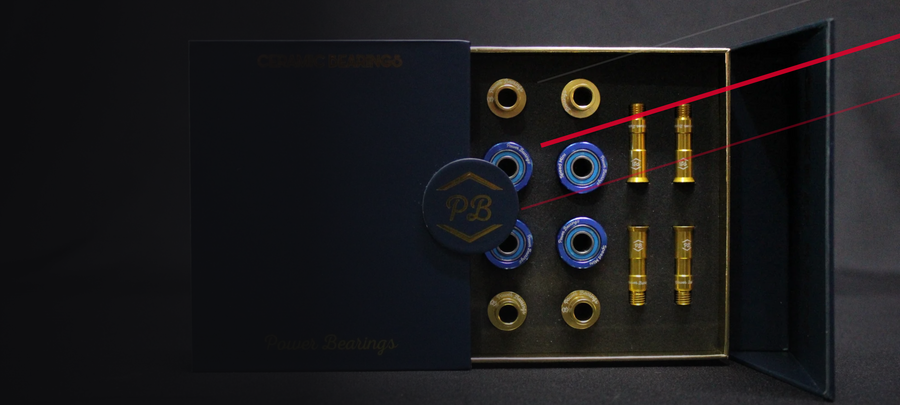
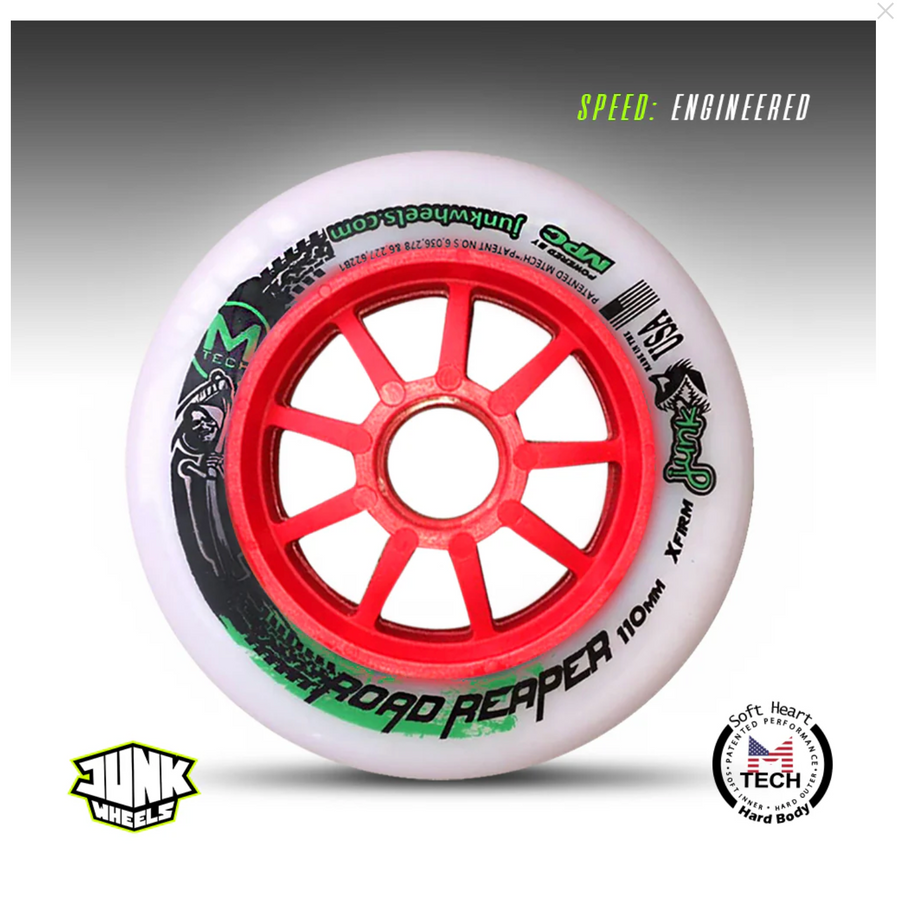
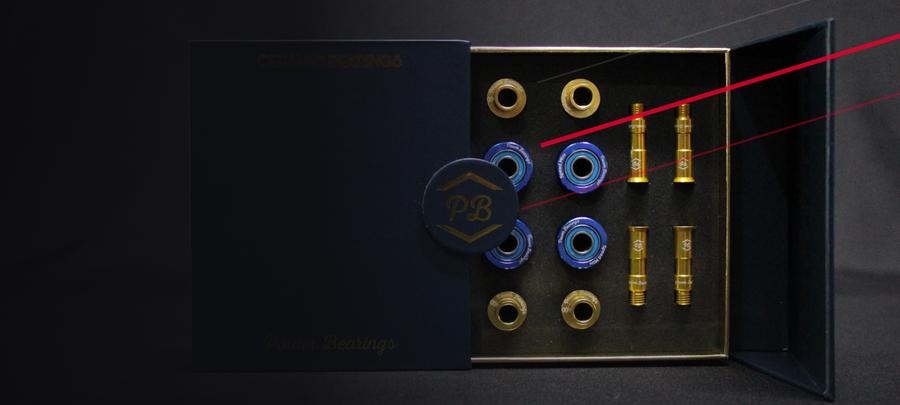
Grip matters just as much as roll when you are driving off the line. A firmer wheel bites the surface and resists sliding during those hard angled pushes, so a set of JUNK Voodoo XFirm wheels gives you dependable traction for the start and the corners. Under the wheels, smooth fast bearings such as the Power Bearings Super keep every bit of your effort turning into forward motion rather than being lost to drag. Finally, a close fitting LiveLica Pro skin suit cuts the air you have to punch through as your speed climbs, which matters the moment you break clear of the line.
Common start mistakes and how to fix them
The first mistake is standing up too soon, which flattens your drive and hands the acceleration to everyone still leaning forward. Keep your hips low until you have real speed. The second is reaching with long strides from the gun, which flattens the wheels and loses grip. Keep the first steps short and sharp. The third is a passive upper body. If your arms are limp, your legs slow down to match, so drive your arms and your legs will follow. The fourth is looking down at your feet. Keep your eyes up the track so you can pick your line into the first corner and react to the skaters around you.
A simple start training plan
Warm up thoroughly, because starts are explosive and cold muscles pull. Then practise standing starts in sets, resting fully between each so every rep is at full quality. Film yourself from the side to check your lean and knee bend, and from behind to check your wheel angle and step length. Add a partner or a mock field once your technique is solid, so you learn to start under pressure and hold your line into the first bend. A handful of quality starts each session, done fresh, will improve your racing faster than almost anything else you can practise.
Frequently asked questions
How many running steps should I take before gliding?
It varies with your speed and setup, but roughly five to ten sharp running steps before the angle narrows and you lengthen into strides. Let speed decide the transition rather than a fixed count.
Should my wheels really point outward at the start?
Yes. Angling the wheels out lets you push down and back for grip and drive at low speed, just like a sprinter's spikes. As you gain speed the angle naturally narrows toward parallel.
Does frame or wheel size change my start?
It can. Shorter frames and smaller wheels spin up faster and feel more agile off the line, while larger setups favour top speed. Many track racers pick a smaller setup partly for that quicker acceleration.
How do I stop falling over on the first steps?
Stay low, keep the steps short, and commit your weight forward rather than sitting back. Balance at the start comes from a stable low stance and quick feet, not from standing tall.