Short track is a travelling sport. Sooner or later the good competitions are in another city or another country, and that means your boots, your blades and your safety kit all have to survive a journey before they ever touch the ice. A carbon boot that arrives cracked, a set of blades that has picked up rust in a humid hold, or a jig left behind at home can undo weeks of preparation in a single trip. This is a practical, skater to skater guide to packing and flying with a short track setup, covering how to protect your edges and your carbon shell, what belongs in your carry on and what can go in the hold, how to handle sharpening tools and airline rules, and how to arrive race ready rather than repairing kit the night before. Everything here is built around the gear we actually stock at LiveLica.
Start with the blades, because they are the fragile part
Your steel is the single most vulnerable thing you own on a trip. A short track edge is finely ground and dead straight, and it does not take much to nick it, dull it or start it rusting. Two very different products protect it, and confusing them is the most common travel mistake skaters make. Hard walking guards protect the edge from knocks and hard surfaces, while absorbent soakers pull moisture off the steel while the skates are packed away. You want both, and you want to use them for the right job.
Guards for impact, soakers for moisture
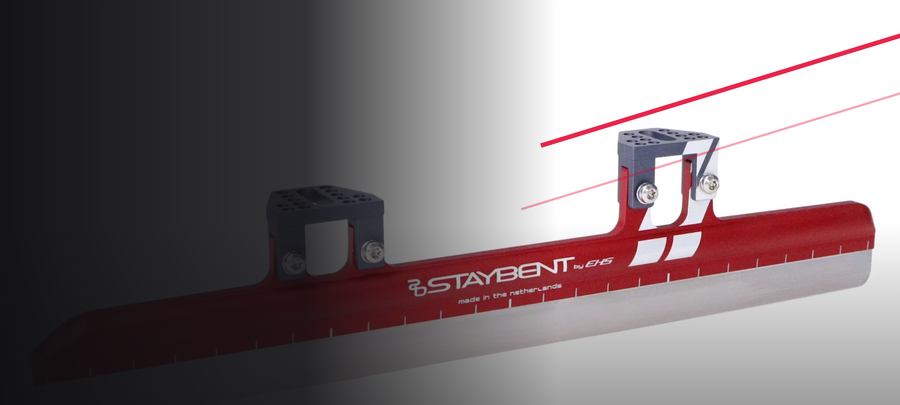
The StayBent Blade Guards by Guardog are a hard plastic shell that is spring loaded and adjustable, so one pair fits across short track and long track runners. They are made for walking and for taking knocks, which is exactly what happens to a bag in transit. Crucially, they are not for long term storage, because a hard guard can trap moisture against the steel. That job belongs to the StayBent Blade Soakers, which use a thirsty terry cloth interior to draw water off the blade while it sits in your bag. The winning travel routine is simple. Wipe the blade dry, fit soakers for the journey, and carry the hard guards separately for walking to and from the rink once you arrive.
Guards take the knocks while you walk, soakers pull moisture off the steel in the bag. Use both, never one instead of the other.
Loosen your blades if you know your edges
Many travelling skaters lightly back off the blade before a long trip so a hard knock cannot shift the mount, then reset and align on arrival. Only do this if you are confident realigning your own setup, because arriving with a blade you cannot straighten is worse than a small risk of movement. If you are not comfortable with alignment, leave the mount alone, protect it well, and check it once you land.
Protecting the carbon boot
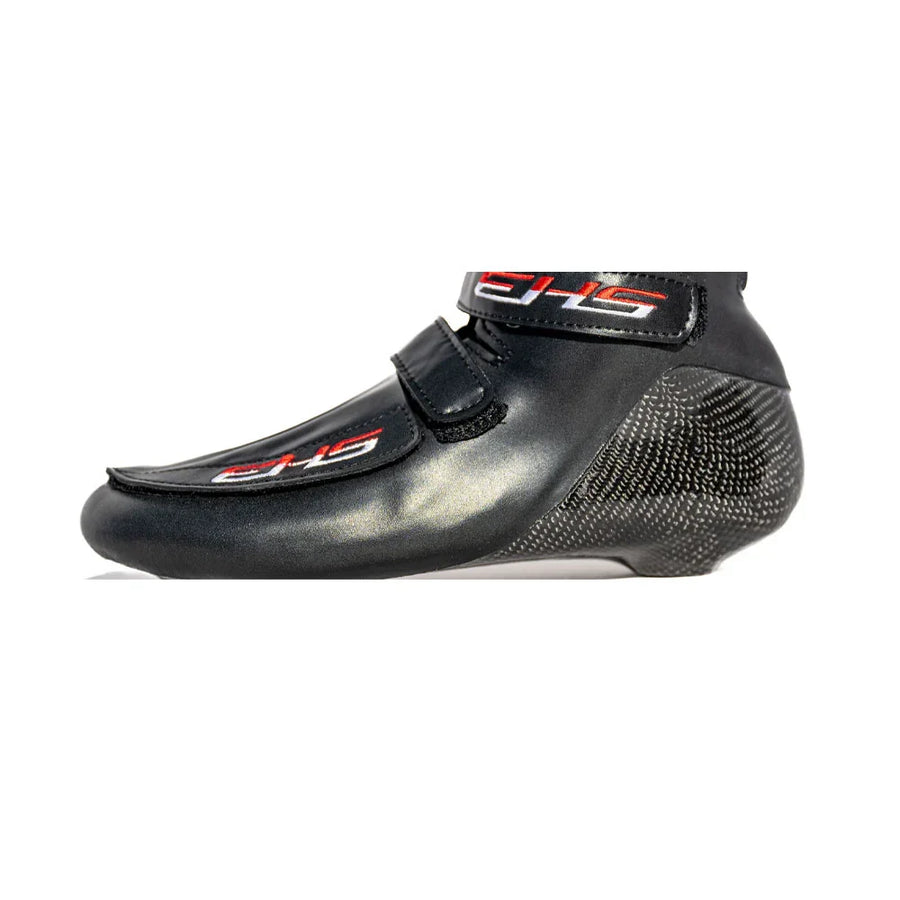
Your EHS Short Track Boots are built from carbon fibre and Diolene, heat moulded to your exact foot. That custom fit is a huge advantage on the ice and a real vulnerability in a suitcase. Carbon is stiff and strong in normal use but it does not enjoy sharp point loads, so a boot crushed under a heavy case or dropped on a hard corner can crack or lose its shape. Pack boots upright where you can, stuff the insides with socks or soft kit so the shell holds its form, and keep anything heavy and hard from resting directly on top of them. Never pack a boot while it is still damp inside, because days in a warm bag are how odour and mould take hold in the liner.
What goes in the cabin and what goes in the hold
Airline rules vary by carrier and country, so always check your specific airline before you fly, but a few principles hold up almost everywhere. The hold is a rough, cold and sometimes humid place, which is fine for well protected boots and guarded, soaked blades but not ideal for anything delicate or irreplaceable. The cabin is gentler and climate controlled, which makes it the natural home for the items you cannot afford to lose or damage.
A sensible starting split for most trips. Your airline has the final say, so check their rules on blades and tools before you pack.
Blades and sharp items
Skate blades and sharpening tools are usually treated as sharp items and belong in checked luggage, not your cabin bag. That keeps you out of trouble at security and keeps your steel out of the one bag most likely to be searched. Wrap the guarded, soakered blades in soft clothing in the centre of a checked case where they are cushioned on all sides. If you carry your boots in the cabin with the blades still mounted, be aware that some security teams will not allow it, so many skaters remove blades from boots for the flight and refit on arrival. Always check your airline and departure airport rules first, because they, not this guide, decide what is allowed.
Sharpening kit
A short trip is the wrong time to discover you cannot true your own edges. Pack your jig, a combination stone, a deburr stone and a polishing triangle in the hold, protected inside a hard case or wrapped in a towel. Rinks abroad may not have the exact tools you like, and borrowing someone else stone the morning of a final is a gamble. Bringing your own sharpening kit means you can freshen your edges after the flight and after every session, exactly as you would at home.
The safety kit you should never leave behind
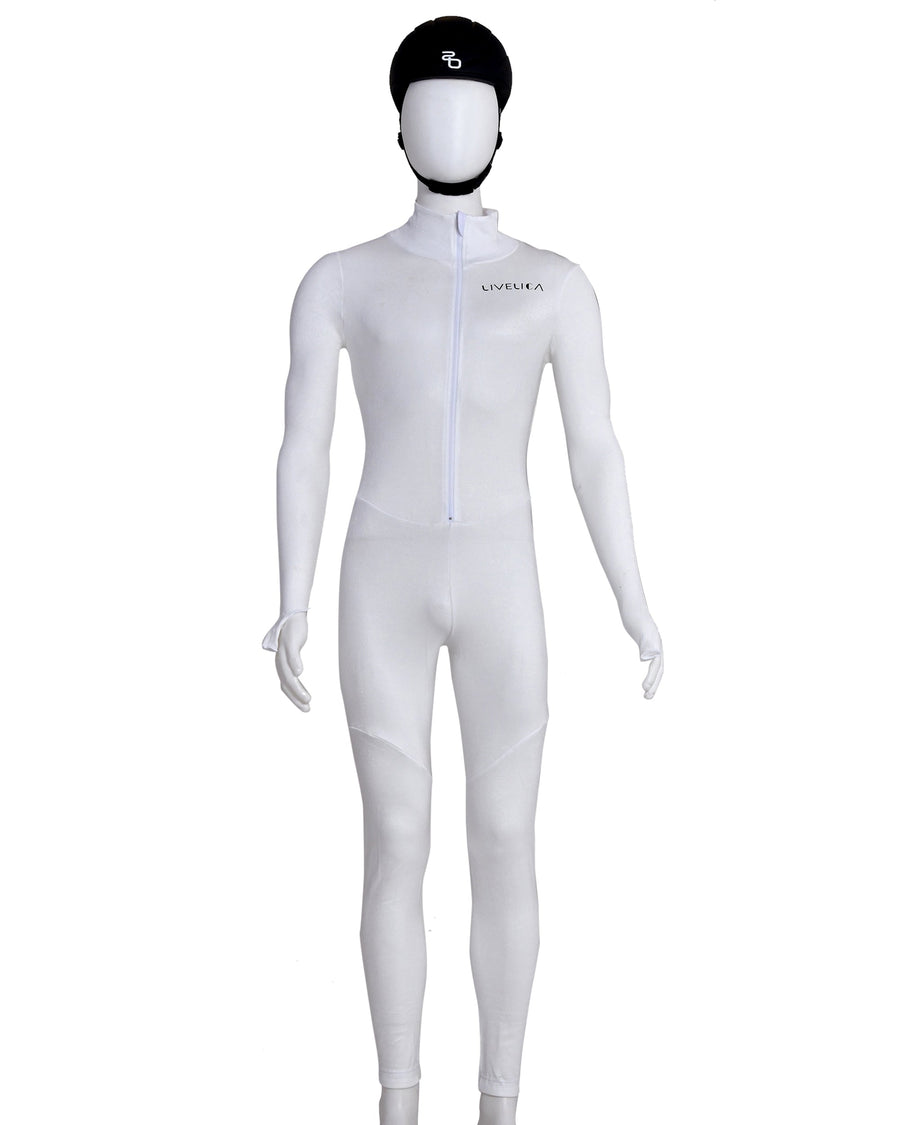
Short track is fast and the barriers are close, so your protection travels with you, not as an afterthought. Your Level 3 cut resistant Kevlar undersuit packs small and light, so there is no excuse to arrive without it. Pack it with your neck guard, cut resistant gloves, ankle socks and a certified helmet so your full protective layer is ready before your first session. Kit like this is exactly what you might struggle to buy in an unfamiliar city at short notice, which is another reason it belongs in your cabin bag where it cannot go missing in the hold.
Arriving in a new climate
Humidity is the hidden enemy of travelling steel. A blade that was bone dry at home can pick up surface rust in a warm, damp hold or a coastal venue, so the first thing to do on arrival is unpack, dry everything and let it breathe. Take the blades out of the bag, wipe them, and check for any spots of rust before your first session. A light haze cleans off easily with a deburr stone, but only if you catch it early. Let boots air out of the bag too, because a carbon shell that has been sealed in transit will hold moisture in the liner until you open it up. Ten minutes of unpacking and drying on arrival saves you a nasty surprise at the rink.
A simple pre trip checklist
Run through this the night before you travel and you will rarely forget anything that matters.
- Blades wiped dry, soakers fitted, hard guards packed separately
- Boots dry inside, stuffed to hold their shape, packed away from crushing loads
- Sharpening jig, stones and polishing triangle in the hold and protected
- Cut resistant undersuit, neck guard, gloves, ankle socks and helmet packed together
- Race suit, spare base layers and a towel for drying kit on arrival
- Airline rules on blades and tools checked and confirmed for your route
For everything you need to build or top up a travelling setup, the short track setup collection keeps boots, blades and accessories in one place.
Frequently asked questions
Can I take my short track blades in my cabin bag?
Usually no. Blades are treated as sharp items and normally have to go in checked luggage. Always confirm with your specific airline and departure airport before you fly, because their rules are the ones that count.
Should I store my skates in the hard guards during the flight?
Fit soakers for the journey, not hard guards. A hard guard can trap moisture against the steel over a long trip, while the absorbent soaker draws water away. Keep the guards for walking once you land.
How do I stop my blades rusting on a trip to a humid place?
Dry the steel before you pack, use soakers in the bag, and unpack and wipe the blades as soon as you arrive. Catching a light haze early with a deburr stone stops it becoming real pitting.
Can I fly with my sharpening stones and jig?
Generally yes, in checked luggage, protected in a hard case or towel. Because they are tools, keep them out of your cabin bag to avoid problems at security, and check your airline rules to be sure.
Will heat mould survive being in the hold?
Your moulded fit is set by heat, and normal transport temperatures will not undo it. The real risk in the hold is crushing, so pack the boots so nothing heavy presses on the carbon shell.
The bottom line
Travelling well is a skill, just like cornering. Protect your edges with soakers on the move and guards for walking, cushion the carbon boot against crushing, split cabin and hold sensibly, and never let your safety kit out of your sight. Bring your own sharpening tools, unpack and dry everything the moment you arrive, and check your airline rules before every trip. Do that and your kit will show up ready to race, so the only thing you have to worry about is the start line.