Short track speed skating looks fast and complicated from the barrier, and the kit can feel like a wall of unfamiliar words when you first go shopping. Boots, blades, cups, tips, cut resistant layers, guards, soakers. Where do you even start, and what actually matters for a brand new skater who just wants to get on the ice safely and improve? This guide walks you through a complete first kit from the ground up, explains what each piece does, and gives you a sensible order to buy things in so you spend your money where it counts. It is written skater to skater, so we will be honest about what you need on day one and what can wait.
Everything mentioned here is available at LiveLica, and we have linked the relevant products so you can see exactly what we mean rather than guessing from a description. If you take one idea away, let it be this: buy a boot that fits, a blade that suits a beginner, and proper cut resistant protection, and you will have a safe, enjoyable setup that lasts you well into your first racing season.
How a Short Track Setup Fits Together
A short track skate is not one object. It is a stiff boot, a long straight blade, and a pair of mounting cups that bolt the blade to the sole. Understanding this before you buy anything makes every other decision easier, because you will know how the parts relate. The boot holds your foot and ankle firmly. The cups raise the blade off the sole and let you set its position left or right under the foot. The blade itself is what carves the ice and holds you through the corners at lean angles that feel impossible when you first see them.
The three core parts of a short track skate and how they stack from boot to blade.
Start With the Boot Because Fit Comes First
If you buy nothing else correctly, get the boot right. A boot that is too big lets your heel lift and your foot slide, which robs you of power and control and makes learning to corner far harder than it should be. A boot that is too small will make even a short session painful. Short track boots are stiff by design, and many are heat mouldable, which means you warm them, put them on, and let them cool so the shell takes the shape of your foot. The result is a snug, supportive fit that transfers every push straight to the blade.
For a first proper boot, the EHS Short Track Boots are a sensible starting point because they give you real short track stiffness and support without jumping straight to a full custom pair. Take your time with sizing, follow the heat moulding steps, and do not rush the process. A boot that fits well from the start will save you months of frustration and a good deal of discomfort.
Choosing Your First Blade
The blade is where beginners tend to overthink things. You do not need the most aggressive race blade to learn on. What you want is a blade that is forgiving, stable, and easy to keep aligned while you build the basic skills of gliding, pushing and cornering. As a beginner you will spend your early weeks learning to trust the edges and to lean into the corner, and a stable blade makes that learning curve gentler.
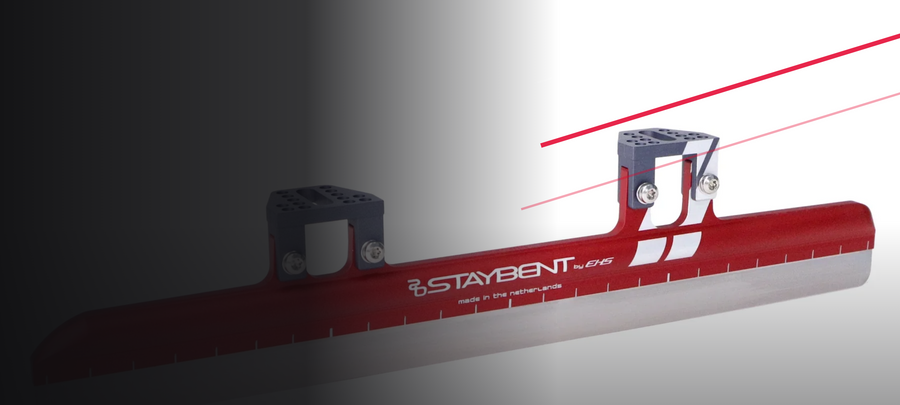
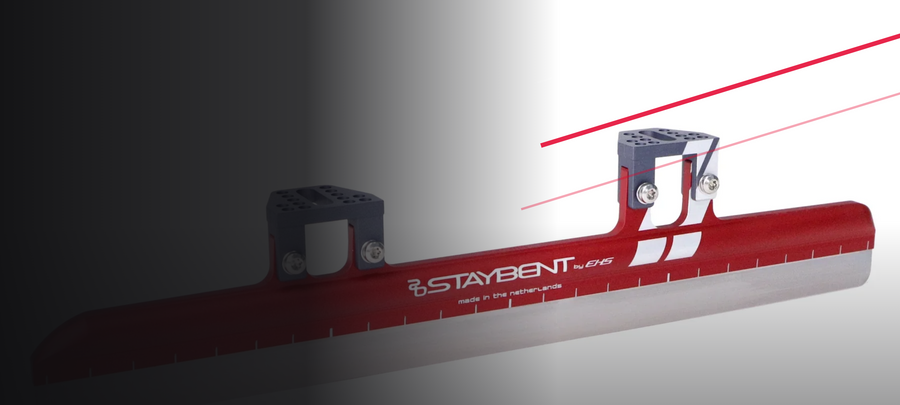
The StayBent JaeBee is a friendly, confidence building blade that suits skaters who are still finding their feet, and it sits within the wider range you can browse in our short track blades collection. When you are choosing, focus less on chasing a professional specification and more on getting something you can set up cleanly and keep sharp. A well maintained beginner blade will always beat a mismatched advanced one.
A forgiving blade rewards good habits while you build confidence in the corners.
Cut Resistant Protection Is Not Optional
Short track blades are sharp, and skaters fall at speed on hard ice. This is exactly why cut resistant protection exists, and it is the part of the kit that new skaters most often skip and most quickly regret. Proper protection lets you push your limits while you learn, because you are not skating scared. The core items are a cut resistant undersuit, a neck guard, gloves and ankle protection, all worn under or with your skating suit.
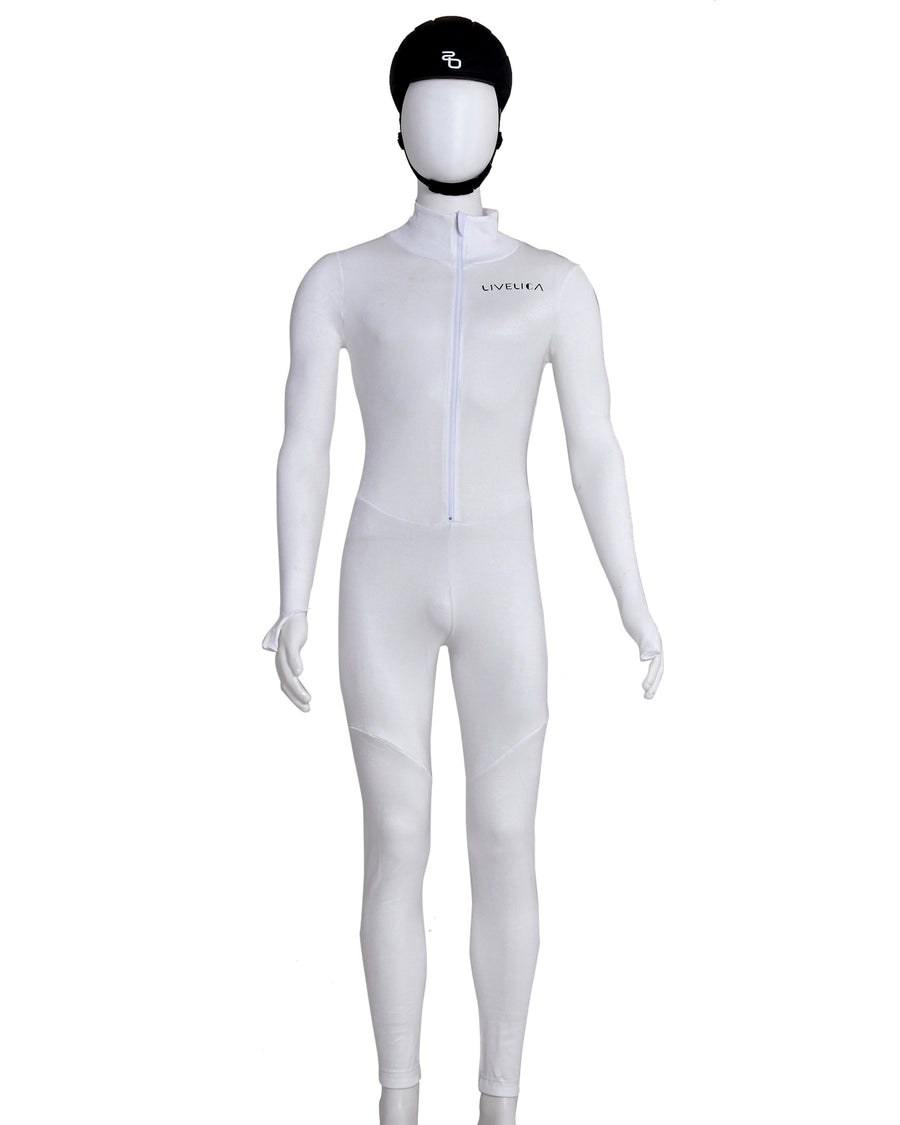
A cut resistant layer such as the LiveLica Level 3 cut resistant Kevlar undersuit covers the large areas of your body that are most exposed in a fall. For your hands, a pair of StayBent cut resistant gloves protects your fingers when you place a hand down through a corner, which every short track skater learns to do. Add a good helmet, and you have covered the essentials. Speaking of which, a certified lid is the last non negotiable.
The Helmet You Should Not Compromise On
A short track helmet needs to stay put in a crash and cover the back of the head, which is why dedicated short track helmets have a rounder, fuller shape than a typical cycling lid. The StayBent short track speed skating helmet is built for this job. Buy a helmet that fits snugly without pressure points, do the strap up every single time, and replace it after any significant impact. This is the one piece of kit where saving money is a false economy.
A quick map of the protection every short track beginner should skate with.
The Small Extras That Make Life Easier
Once the big items are sorted, a few inexpensive extras make ownership far smoother. Blade guards let you walk safely off the ice and protect the steel from nicks on hard floors. Soft blade soakers absorb moisture and prevent rust when the skates go back in your bag. A simple deburr stone lets you take the tiny burrs off your edges between proper sharpenings. None of these are glamorous, but they extend the life of your blades and keep them performing. You will find these accessories grouped together so you can add them to your first order without hunting around.
A Sensible Order to Buy Things In
You do not need to buy everything at once, and spreading the cost is completely normal. The priority order below reflects what keeps you safe and skating well from your very first session, then works down to the nice to have items.
Spend on fit and safety first, then add performance and convenience items as you settle in.
Setting Everything Up for the First Time
When your parts arrive, resist the urge to bolt everything together and run out onto the ice. Heat mould the boot properly and let it cool fully. Mount the blade centrally to begin with, roughly under the ball of the foot and the heel, because a neutral starting position is the easiest to learn on. Check every bolt is tight and that the blade sits square. Then spend your first sessions simply gliding and getting used to the lean, rather than chasing speed. Small alignment tweaks come later, once you can feel what the blade is doing under you.
Keep your edges clean and lightly deburred, dry your blades after every session, and store them in soakers. This simple routine keeps your steel fast and rust free, and it means your kit is always ready when you are. Good habits with cheap accessories protect the money you spent on the expensive parts.
Frequently Asked Questions
Do I need a custom boot to start?
No. A quality heat mouldable boot such as the EHS Short Track Boots gives you real support and a snug fit without the wait and cost of a full custom pair. Many skaters race for a long time before they ever move to custom boots.
Can I use a normal bike or skateboard helmet?
It is not ideal. Short track helmets are shaped to cover the back of the head and to stay secure in a slide across the ice. A dedicated short track helmet is a much safer choice for the sport.
Is cut resistant clothing really necessary for a beginner?
Yes, arguably more so, because beginners fall more often as they learn to lean and corner. A cut resistant undersuit, gloves and a neck guard let you push your limits with far less risk.
How much should I spend before my first session?
Prioritise a boot that fits, a beginner blade with cups, a certified helmet and cut resistant protection. Guards, soakers and stones are inexpensive and can follow in the same order, but try to have them soon so your kit stays in good shape.
What blade should a complete beginner choose?
Pick a stable, forgiving blade like the StayBent JaeBee rather than an aggressive race blade. You will learn faster on something predictable, and you can always upgrade once your technique catches up.
Getting Started With Confidence
Short track is one of the most rewarding sports on ice, and the barrier to entry is lower than it looks once you understand what each part of the kit actually does. Buy a boot that fits, a blade you can trust, and protection that lets you skate bravely, then add the small accessories that keep everything running well. Do that, and your first season will be about learning to fly through the corners rather than fighting your equipment. Browse the pieces linked above, take your time with sizing, and enjoy the ride.