Short track is the most tactical discipline in speed skating. Four or five skaters share a narrow oval, everyone wants the same inside line, and the whole race is decided in a handful of corner exits. That is what makes it thrilling to watch and maddening to race. It is also why short track has more rules about how you may and may not interact with another skater than almost any other sport on ice.
If you have ever crossed the line first and then watched the scoreboard put a penalty next to your name, you already know how expensive it is to not understand the rules. This guide explains, in plain language, what the officials are actually looking at, which penalties get called most often at club and national level, and how you can race aggressively without handing the result to someone else. Wherever the exact wording matters, check the current rulebook for your competition, because the governing bodies do revise the details from season to season.
Why short track has so many rules
Long track skaters race in lanes against the clock. Short track skaters race each other, in a pack, on a surface where a fall at speed can send a body into the padding at the boards in less than a second. Every rule in short track exists to answer one question: who was responsible for what happened. Once you start watching races through that lens, the penalties stop feeling arbitrary and start looking almost mechanical.
The core principle is simple. The skater who is already on a line has the right to skate that line. The skater trying to take it away is the one carrying the responsibility to do it safely and cleanly. Almost every penalty you will ever see called is a variation on that single idea.
How a short track competition is structured
Understanding penalties is easier when you understand what is at stake in each round. Individual distances are usually run as heats, with the fastest skaters progressing through quarterfinals and semifinals to a final. The standard individual distances are 500m, 1000m and 1500m, and relays are run as team events. Our separate guide to short track race distances covers how the tactics change between them.
Advancement and the referee's decision
In most formats the leading skaters in each heat advance. Crucially, the referee also has the power to advance a skater who was impeded by somebody else. This is the fairness valve in the sport. If another skater takes you out or blocks you illegally, you are not simply eliminated because of their mistake. It also means that being on the receiving end of a foul is not automatically the end of your day, so it is always worth finishing the race even when you have lost ground.
Penalties, cards and what they cost you
A penalty removes you from the result of that race. For dangerous or repeated offences, officials can escalate to a card, which can remove a skater from the rest of the event. The exact escalation ladder varies between rule sets and competitions, so read the technical documents for the meet you are entering rather than assuming your home club rules apply everywhere.
The skater ahead is entitled to their line. The overtaking skater carries the responsibility to complete the pass cleanly and only move across once fully clear.
The penalties you will actually see called
At club and national level, the same handful of infringements account for the overwhelming majority of decisions. Learn these five and you will understand most of what happens in a race.
Impeding
Impeding is the catch all term for interfering with another skater's progress. It covers a wide range of situations: cutting across in front of somebody before you are clear, moving sideways into a skater who is alongside you, reaching out with a hand or an arm, or simply skating into the space that another skater already occupies. The referee is not judging your intent, only the effect. A pass that forces another skater to check their speed, change their line or lose their balance is a pass that is likely to be called.
Cross tracking
Cross tracking is the specific version of impeding where you change your line across the path of a skater behind or alongside you. It happens most often on the exit of a corner, when a skater who has just come off the apex drifts wide into somebody who is carrying more speed on the outside. If you are ahead, you may hold your line, but you may not shut a door that another skater is already halfway through.
Contact and pushing
Short track is not a contact sport, even though it can look like one. Any push, block or shove with the hand, arm, shoulder or hip that affects another skater is penalised. There is one important nuance: the inside hand touching the ice is a normal part of cornering technique, but reaching out and placing a hand on another skater is not. Skaters new to the sport often do this reflexively when they lose balance, and it is one of the easiest penalties to earn without meaning to.
Kicking out at the line
Extending your leading skate towards the finish line to steal a place is legal and is a genuine skill worth practising. Lifting the blade off the ice while doing it is not. A blade in the air at the finish of a tight race is dangerous to the skater beside you, and officials treat it seriously. Practise the extension in training so it becomes a low, controlled slide of the blade along the ice rather than a desperate kick.
Leaving the track and moving the blocks
The blocks mark the racing line through the corners. Skating inside them, gaining an advantage by cutting the corner, or displacing them with your skate or your body can all be penalised. If you go off the track for any reason, whether by choice or after a bump, you are expected to rejoin safely and without gaining position.
Extending the leading skate to the line is a skill worth training. Lifting the steel off the ice while you do it is dangerous and will be called.
The start, false starts and the first corner
More races are lost in the first two corners than anywhere else. On the command to go to the start you take your position, and on the ready command everything must be still. A skater who moves before the gun is responsible for the false start, and repeat offences by the same skater usually end their race. Practise holding a completely still ready position in training until it costs you nothing, because a twitchy start line habit will eventually cost you a race.
The first corner is where the pack compresses. Because everyone is still accelerating and the field has not yet strung out, the space you think you have is often already claimed. The safest habit is to commit early to either taking the inside or going wide and letting the traffic sort itself out, rather than hesitating in the middle where you have no room and no escape route. Our guide to block start technique covers the mechanics of getting off the line cleanly.
How to pass without getting penalised
Clean passing is a skill, not luck. The skaters who never seem to get called are following a repeatable pattern.
- Build the pass over a full corner rather than lunging at it. If you have to reach, you are already too late.
- Get your body fully ahead before you begin moving across. Your shoulder being level is not enough, because the other skater's blade is still beside you.
- Keep both hands to yourself. If you feel yourself losing balance, drop lower rather than reaching out.
- Look at the exit, not at the skater you are passing. Where you look is where you drift.
- If the door closes legally, accept it and set up the next lap. There is almost always another corner.
The technical work behind all of this lives in your cornering. A skater who can hold a stable, low line under pressure simply needs less space to complete a pass, and needs less space to avoid a foul. Our guides to cornering technique and making a clean pass go deeper into the mechanics.
Where your equipment fits into racing clean
Rules keep skaters honest. Equipment keeps skaters safe when the rules are broken anyway, and it also removes a whole category of self inflicted mistakes.
Blades you can trust under load
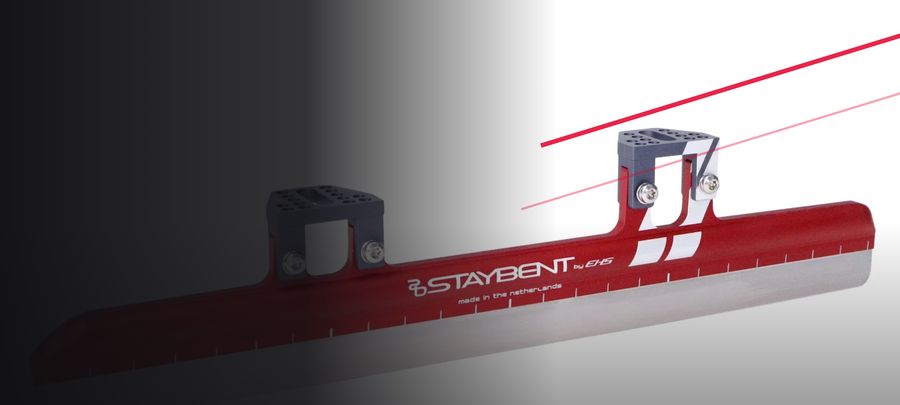
A blade that slips at the apex forces you to make a correction, and corrections are what put you into other skaters. A stable, well mounted setup gives you a predictable line, which is the foundation of every clean pass. The StayBent JaeBee and the StayBent QCS are both built for exactly this kind of committed corner work, and you can compare the full range in the StayBent blades collection.
Protection that lets you commit
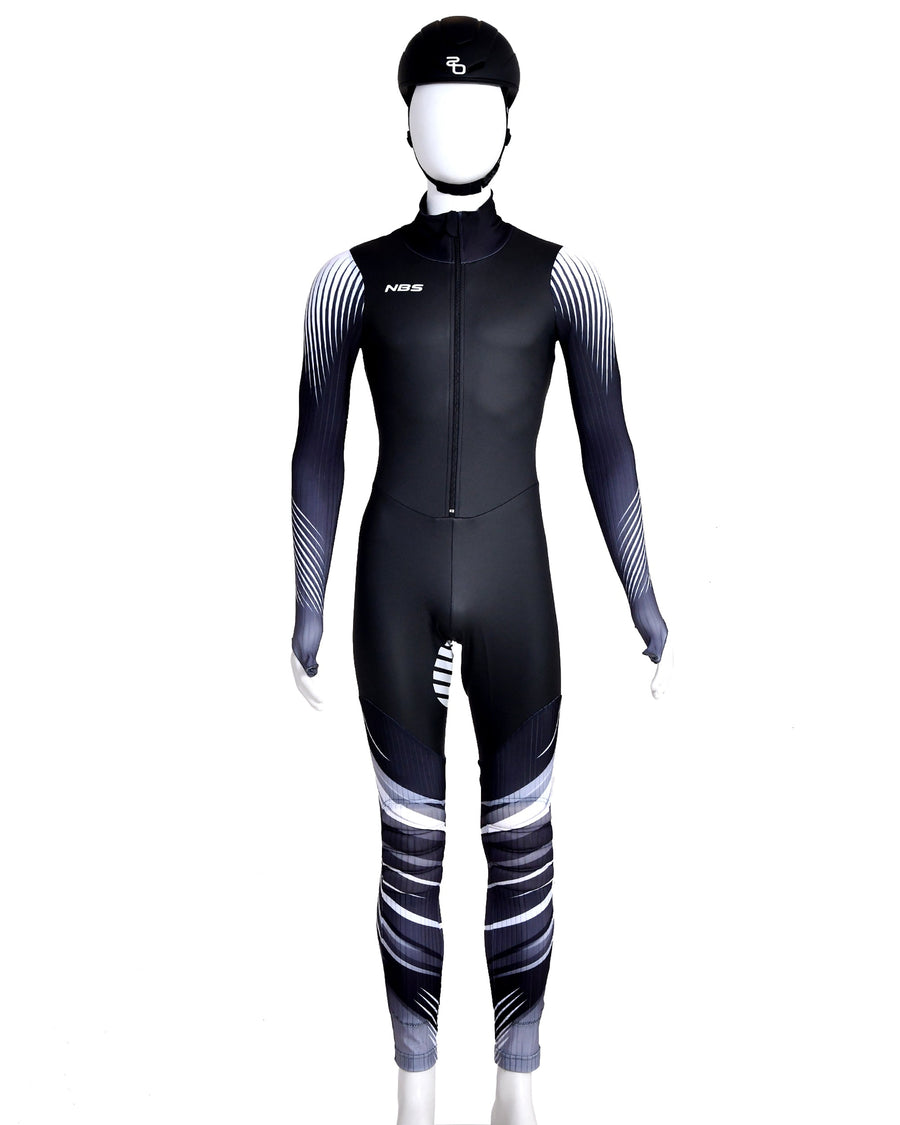
Skaters who are afraid of contact skate tentatively, and tentative skating in a pack is genuinely more dangerous than confident skating. Proper cut resistant kit changes how you race. A Level 3 cut resistant Kevlar undersuit and a pair of StayBent cut resistant gloves are the baseline for competitive short track, and most competitions require them. Browse the wider StayBent short track collection for the rest of the kit list.
A clean pass is built in stages. Almost every penalty comes from jumping from the setup straight to the move across.
A race clean checklist
- Read the technical documents for your competition before you race, not after.
- Hold a still ready position so a false start never comes from you.
- Decide inside or outside before the corner, and commit.
- Complete the pass before you change your line.
- Keep your hands off other skaters, even when you are falling.
- Keep the blade on the ice at the finish.
- If you are fouled, finish the race anyway so the referee can act on it.
Frequently asked questions
If someone crashes into me, will I be penalised?
Generally the responsibility sits with the skater who caused the contact, and the referee may advance the skater who was impeded. That is exactly why you should keep skating and finish the race even after you have lost places, because you cannot be advanced from a race you walked away from.
Is touching the ice with my hand allowed?
Yes. Putting the inside hand down through the corner is standard short track technique and is entirely legal. What is not allowed is touching another skater with your hand, or using a hand on the ice to gain an advantage by leaning on the blocks or the track markings.
Can I be penalised even if the contact was accidental?
Yes. Officials judge the effect on the race rather than your intention. This feels harsh the first time it happens, but it is the only workable standard, because intent cannot be measured from the referee's box at racing speed.
Does better equipment reduce my chance of a penalty?
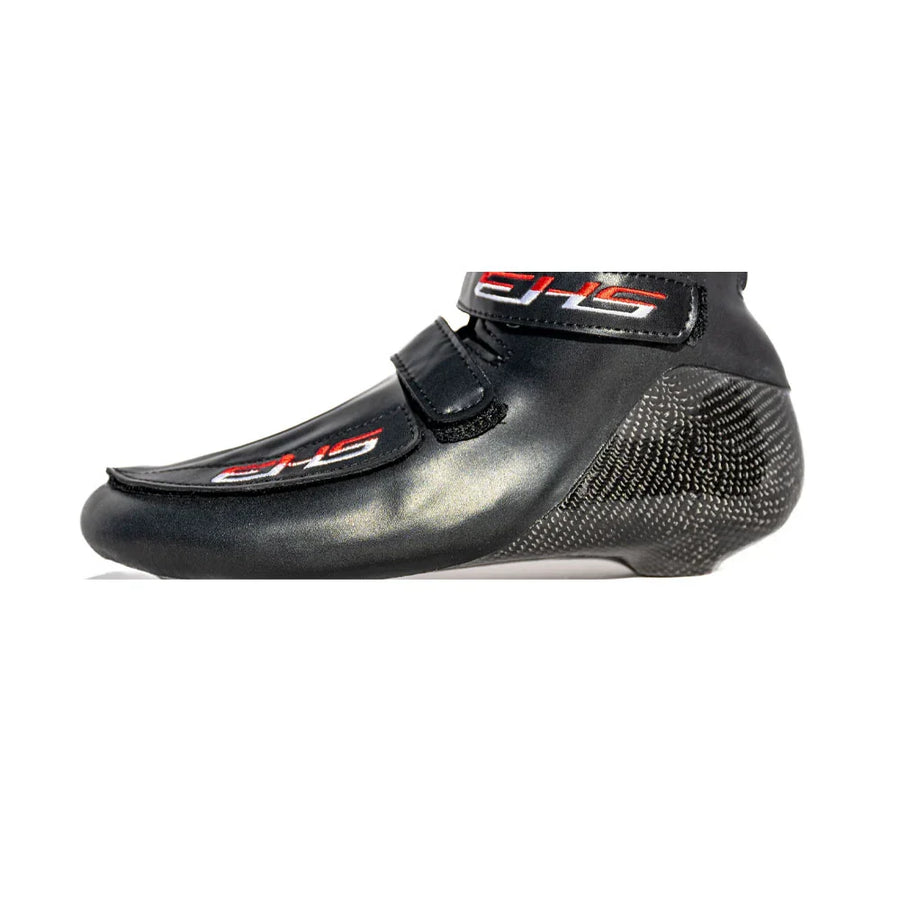
Indirectly, yes. A blade that holds a predictable edge and a boot that fits properly mean fewer sudden corrections, and sudden corrections are what turn a tight pass into a foul. Equipment does not make you a clean skater, but unpredictable equipment definitely makes it harder to be one.
Where do I find the official rules?
Your national federation and the organisers of each competition publish the applicable rules and technical documents. Always use the current version for the season you are racing in, because the details are revised regularly.
Short track rewards skaters who are aggressive and precise at the same time. Learn where the line is, build your passes properly, and you will find you can race harder, not softer, because you are no longer guessing about what the referee will do.