Walking into your first short track meet is a strange feeling. You already know how to skate, you have trained the corners for months, and yet the building seems full of people who all know exactly where to stand and when. If you have been wondering what to expect at your first short track speed skating competition, the honest answer is that the racing is the easy part. What catches new skaters out is the shape of the day around the racing: the sign on desk, the equipment check, the official warm up, the call to the line and the long gaps in between. This guide walks through that day in order, so you arrive knowing the sequence rather than following the crowd and hoping.
One thing to say at the start. Formats and procedures vary between club meets, state competitions and national championships, so always read the regulations published for the event you have entered. What follows is the shape that almost every short track competition takes, and the things a skater racing for the first time genuinely needs to know.
Seven stages, in this order, at almost every meet. Knowing the sequence is most of what a first competition asks of you.
Before the day: entering and reading the programme
Entries usually close well before the competition, often a week or two ahead, and a late entry is normally refused rather than squeezed in. So the first job is simply to get it in on time through your club or coach.
What an entry asks for
Most entry forms want the same handful of things: your name and club, your age group or category, the distances you want to race, and sometimes a seed time. If you are asked for a seed time and you have never been timed, say so rather than guessing a flattering number. A seed time that is far quicker than your real pace puts you in a group that will skate away from you, and a time that is far slower puts you with skaters you will have to pass constantly. Neither helps you learn anything. An honest time, or an honest blank, gets you a fair group.
If the competition offers a choice of distances, two is plenty for a first meet. The temptation is to enter everything, and the result is usually a long day where every race is worse than the one before it.
The programme, and why it slips
A few days before, the organisers publish a programme or schedule listing the order of distances and the age groups in each. Read it and work out roughly when your races fall, but treat the clock times as an estimate. Programmes slip, almost always backwards, because of resurfacing breaks, falls that need the ice cleared and protests that need a decision. Plan to be ready early and comfortable with waiting, not the other way round.
Arriving: sign on and the equipment check
Get to the venue with time in hand. Ninety minutes before your first race is comfortable, because the changing room and the sharpening bench are both busy at exactly the moment everyone needs them.
Your first stop is the sign on or registration desk, where you confirm you are present and collect whatever the meet issues, which may be a helmet cover, a number or a bib. Find out there and then where the start list will be posted and where skaters are called from, because those two pieces of information save you asking a stranger later with your boots half laced.
What officials look at
Short track is raced in a tight pack on sharp steel, so meets take protective equipment seriously and an official may well inspect it before you are allowed on the ice. The exact list is set by the competition regulations, and it is worth reading them rather than assuming, but the items checked are almost always the same ones.
- A helmet that sits level, fits snugly and is fastened, such as the StayBent short track speed skating helmet, which uses a hard outer shell with an impact absorbing liner and an adjustable chin strap.
- Cut resistant neck protection. Our Level 3 cut resistant neck guard is built for this, and cut resistant neck protection is a standard requirement in short track competition.
- Cut resistant ankle protection, such as the Level 4 cut resistant ankle socks, since the ankle is where another skater's blade is most likely to reach you in a fall.
- Gloves, with cut resistant gloves or glove tips on the hand you put down in the corner.
- Knee and shin protection, and a cut resistant undersuit worn beneath your race suit.
- Eye protection, where the regulations for your event call for it.
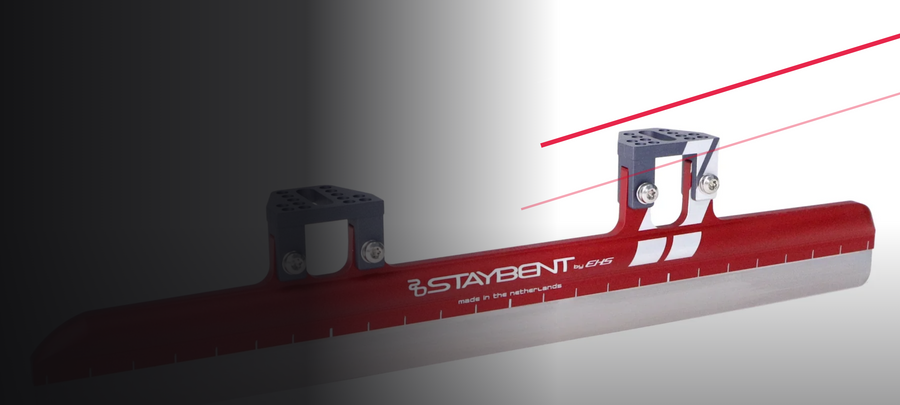
- Your blades, which are checked for condition and for rounded ends rather than sharp points.
The practical lesson is that the equipment check is a yes or no question, and the answer is decided before you leave home. A missing neck guard is not something you can borrow at the rink five minutes before your call, because everyone who owns one is wearing it. If you are assembling your protection for a first season, the LiveLica short track accessories collection gathers the cut resistant pieces in one place, and our race day checklist covers how to pack it all so nothing is left on a radiator at home.
The official warm up on competition ice
Before racing begins there is normally a warm up session on the competition ice, often split by age group and usually short. New skaters waste it, either by standing at the boards talking or by skating hard enough to tire themselves out. Neither is the point.
The point is information. Competition ice is often harder and colder than the ice you train on, and a harder sheet changes how your edges bite. Use the warm up to feel that, to take a couple of corners at close to race speed rather than at full effort, and to look at where the track markers sit, because the apex of a corner in a strange rink never looks quite like the one you practise on. Notice whether the ice is chewed up on one side of the oval, and where the surface feels different near the boards.
Then get off, get your blades dried and your guards back on, and keep warm. By the time your first heat is called, your legs should be awake and nothing more.
How heats are drawn, and where you stand on the line
A start list goes up before each distance, grouping skaters into heats of roughly four or five and giving each skater a starting position. Your job is to find your name, your heat number and your position, and to know when your heat is due.
Start positions matter more than they look. In short track every skater begins on a staggered line and converges on the same first corner, so a skater on the inside has a shorter route to the apex, and a skater on the outside either wins the sprint to the corner or accepts slotting in behind. Neither position is a verdict on your race. It simply tells you whether your first ten metres are about holding a line or about choosing one.
Everyone converges on the same apex. Your position on the line decides whether the first few strides are about holding your line or choosing a new one.
What you do once the race starts is a separate subject, and we have covered it properly in our guide to short track race tactics. For a first meet, a simple plan beats a clever one.
Marshalling and the call to the line
Skaters are called to the ice a few heats in advance, and this is where first timers most often come unstuck, because a skater who misses a call is simply not in the race. Find the marshalling area when you arrive, listen for your heat number, and be there early with your kit on and your guards in your hand.
At the line the sequence is calm and consistent. You take your position, the starter asks for stillness, and the race begins on the gun or the whistle. Moving before the start brings the group back for a restart, and a second offence usually carries a penalty, so the discipline worth practising is holding absolutely still in your set position rather than rocking or creeping forward. Hand your guards to a team mate or leave them at the boards, because you will want them the moment you step off.
After your heat: reading the board
Results go up on a board or a screen, usually showing the finishing order for each heat and who goes through to the next round. In most formats only the front of the group advances, so a comfortable second place is worth exactly as much as a hard fought win and costs you much less.
Two things on the board surprise new skaters. The first is a penalty, which appears against a name instead of a position, and which can be given for contact, for impeding another skater or for cutting the track. Our guide to short track penalties explains where the line sits. The second is an advancement given to a skater who finished outside the qualifying places, which referees can award when a skater was obstructed through no fault of their own. Both are normal parts of the sport rather than injustices, and arguing with an official about either is the fastest way to have a bad day.
The long gaps, and finding your way around
The biggest practical shock of a first competition is how much of it is waiting. Heats in the morning and a final in the late afternoon is completely normal. Three habits make those gaps work for you rather than against you. Get warm clothing on the moment you leave the ice. Eat and drink little and often rather than taking one big meal. And keep moving gently, because legs that go cold and heavy in a two hour gap are not the legs that raced your heat.
It also helps to learn the geography of the building in the first ten minutes, before you need any of it in a hurry.
Five places you will use all day. Finding them in your first ten minutes removes most of the stress of a first meet.
Keep your hard blade guards on your feet for every walk around the venue and your soakers on the steel in the bag, because one hard step on rubber matting or concrete can nick an edge you spent all week preparing.
Meet etiquette nobody tells you about
Every sport has unwritten rules, and short track has a few that matter because the ice is shared and the margins are small.
- Clear the track quickly after your heat. The next group is already being called and the officials need a clean sheet.
- If a skater goes down near you after the finish, check they are up and moving before you skate away.
- Do not move or stand on the track markers. They are set by the officials and a displaced block changes the race for everyone.
- Stay off the ice during a resurfacing break, however tempting the fresh sheet looks.
- Thank the officials and the volunteers. Most meets in India run on the goodwill of a handful of people giving up a weekend.
- Keep your opinion about a referee's decision for the car on the way home.
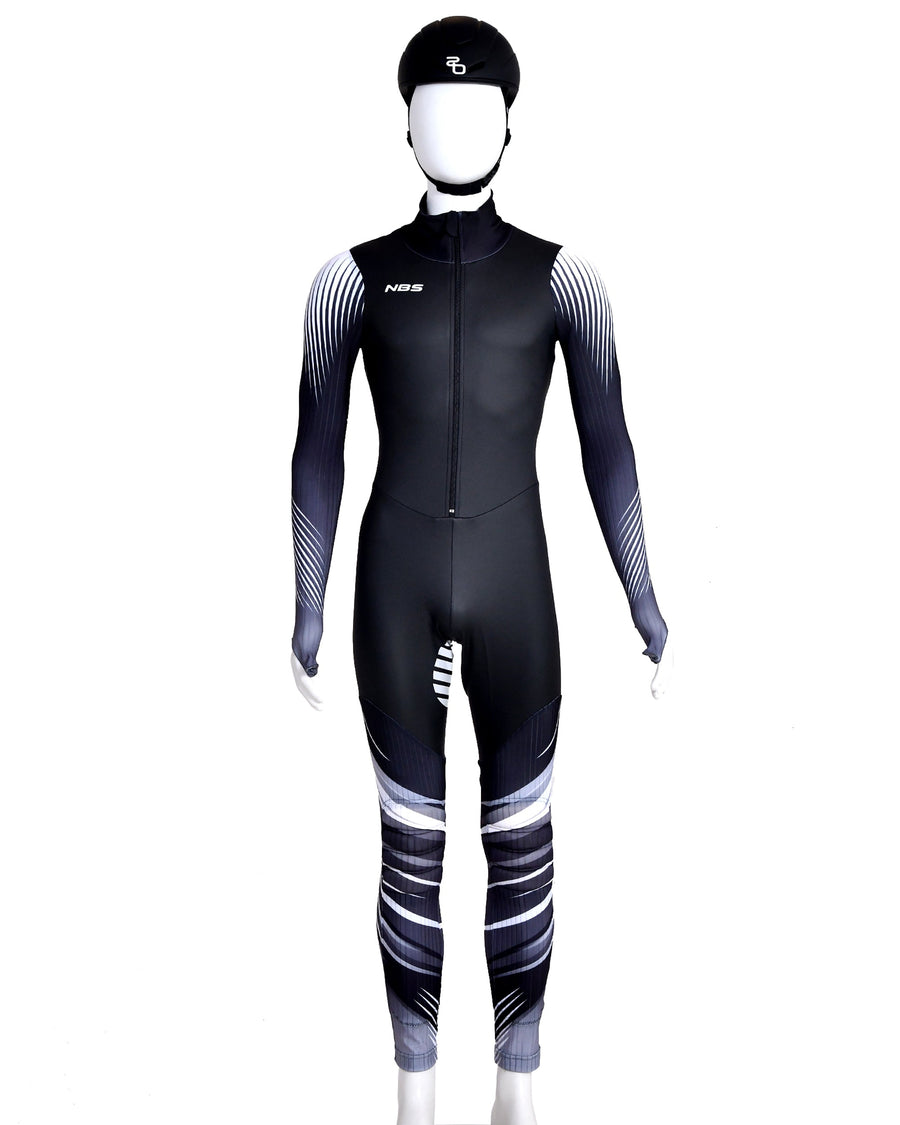
If you are wearing a LiveLica Pro short track suit and full cut resistant kit, you will look like you belong there. Behaving like you belong there is the other half, and it is noticed.
Frequently asked questions
What should I expect at my first short track speed skating competition?
A long day with a lot of waiting and a small amount of racing. You sign on, your equipment is checked, you get a short official warm up on the competition ice, you are called to the line for a heat of four or five skaters, and then you wait, sometimes for hours, before your next round. The racing itself is the part you have already trained for.
Do I need a seed time to enter?
Many meets ask for one and many do not. If you are asked for a time you do not have, say so rather than inventing one, because an inflated seed time puts you in a group that will skate away from you and teaches you nothing. Check the entry requirements for your competition.
Will officials really check my equipment?
Expect them to. Short track is a contact discipline on sharp steel, so meets check that protective equipment is present, correct and fastened, including a helmet, cut resistant neck protection, cut resistant ankle protection, gloves, knee and shin protection and a cut resistant undersuit. The exact list sits in the competition regulations, so read them before you travel.
How many distances should I enter for a first meet?
Two is plenty. A first competition asks a lot of your nerves as well as your legs, and skaters who enter everything usually find each race worse than the last.
What happens if I fall in my heat?
Get up and keep going if you can do so safely, because the race is not over and places are often still available. If you cannot continue, leave the ice promptly so the officials can get the session moving again. If you were brought down by another skater, the referee may advance you, which is a normal part of short track rather than a favour.
Can I get my blades sharpened at the venue?
Sometimes, but treat it as a bonus rather than a plan. There is usually one bench and a queue of skaters at it when everyone wants it. Sharpen earlier in race week, skate one session on the fresh edge, and bring a deburr stone and a dry cloth for touch ups on the day.
How long does a short track competition day last?
Longer than the programme suggests. Allow for a full day, bring food, water and warm layers, and expect the schedule to run late rather than early.
The short version
Enter on time, be honest about your times, arrive ninety minutes early, and turn up with every piece of protective equipment already on your body rather than on your shopping list. Learn where the sign on desk, the marshalling area, the results board and the sharpening bench are before you need them. Use the official warm up to read the ice rather than to prove anything. Listen for your call. Then skate your heat, take the cheapest qualification on offer, and treat the gaps as part of the race. Do that and your first short track competition will feel like a long day at the rink with some racing in it, which is exactly what it should be.