Watch a short track session from the stands and every race can look much the same. Skaters set off, they lean into the corners, somebody wins. Stand at the barrier for a whole meeting though, and you start to notice that the 500m, the 1000m and the 1500m are almost three separate sports sharing one oval. One is decided in the first six seconds. One is decided by whoever keeps their nerve at the halfway point. One is decided by a skater who has been sitting quietly at the back for nine laps and then simply refuses to stop accelerating.
If you are new to racing, or you have been racing for a season and have started to wonder why you feel strong in one distance and lost in another, this guide is for you. We will walk through what each distance actually demands, where races are won and lost, and whether your equipment needs to change at all between them. Everything here is written for skaters racing on an ISU sized short track oval, which is the layout almost every club and competition uses.
The oval, the lap, and what a distance really means
A standard short track lap is 111.12 metres. That single number explains a lot about why short track feels the way it does. Because the lap is so short, you are never far from the next corner, and a large portion of every race is spent in a turn rather than on a straight. It also means that the classic race distances work out to lap counts that include half laps, which is why the start lines and finish lines for the three distances are not in the same place.
Here is how the three individual distances break down.
Lap counts for the three individual short track distances on a 111.12 metre oval.
The 500m: a race you cannot recover from
Four and a half laps. From the gun to the line, most skaters are through it in well under a minute, and a good portion of that time is spent simply getting the skate moving. The 500m is the purest expression of what short track asks physically, because there is almost no room for a mistake to be repaired.
What the race feels like
The 500m is decided at the start more often than any other distance. Get off the line cleanly, hold your line into the first corner and you control the race. Get shuffled to third or fourth in that same corner and you now have to pass on a track where passing takes distance you do not have. Skaters often describe the 500m as feeling short and violent, because your legs go into oxygen debt almost immediately and you finish before your body has any chance to settle into a rhythm.
What to train
Block start work, and lots of it. The first four or five steps are more valuable in the 500m than any amount of endurance. Practise the transition from running steps into full gliding strides, because the moment you get that transition wrong you lose half a body length, and half a body length in a 500m is the race. Our guide on short track starts and block start technique goes through the sequence step by step.
Kit that suits the 500m
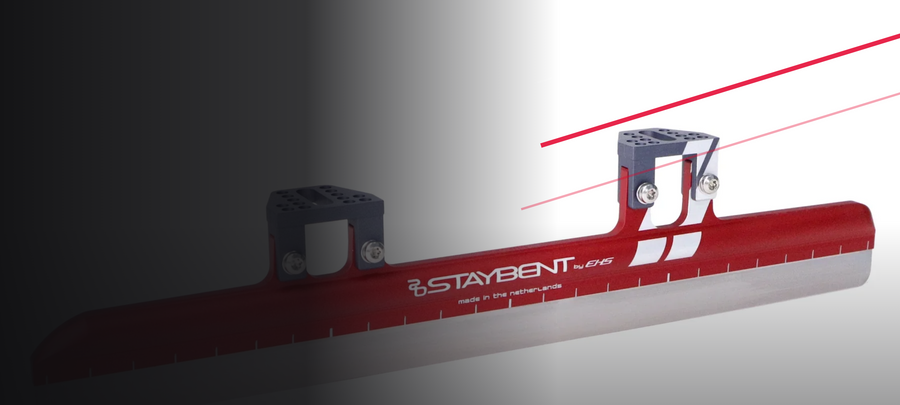
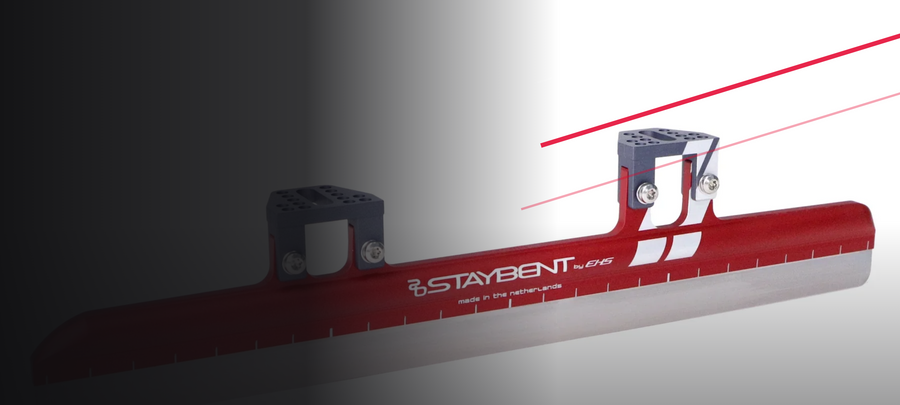
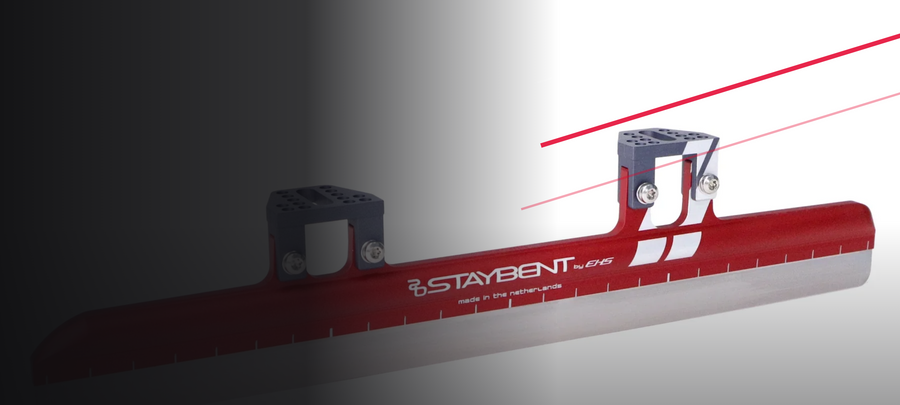
A blade that grips hard and holds a line through a fast corner is worth a lot here, because you are cornering at close to top speed from the first turn. Blades built around corner hold, such as the StayBent XC Flex Weapon, are designed for exactly that kind of load. Lacing matters too. A heel that lifts even slightly on the first push wastes power at the only moment in the race where power is everything.
The 1000m: the balance race
Nine laps. Long enough that a bad start is survivable, short enough that you cannot sit at the back and expect to win. The 1000m is where most skaters find out how good their race brain is.
How the race unfolds
A typical 1000m settles into a line after two or three laps. The pace often drops slightly in the middle, then lifts hard with three to four laps to go as the field starts positioning. That mid race lull is deceptive. Skaters who relax completely in it get caught out when the pace lifts, because coming from the back of a moving pack costs far more energy than holding position.
Where the race is won
Position with three laps to go is usually the single best predictor of the result. If you are sitting third with three to go and you have legs, you are in the race. If you are fifth, you need a pass and every pass costs energy and carries risk. The skill in the 1000m is spending as little as possible before that point while still being in a place you can win from.
A simplified view of how effort is distributed through each of the three distances.
The 1500m: patience, position and a very long finish
Thirteen and a half laps. The 1500m is the distance that punishes impatience more than anything else. Skaters who race it like a long 1000m tend to lead early, look impressive for six laps and then get swallowed by the field.
Pacing
Most well raced 1500m finals follow a similar shape. A slow to moderate opening while the field sorts itself out, a long controlled middle section where nobody wants to do the work at the front, and then a final three or four laps that are effectively a 500m race in their own right. If you cannot produce a hard closing effort after twelve laps, the 1500m will always feel like it happens without you.
Traffic
Because the 1500m is long and the pace is often moderate in the middle, the pack stays bunched for far longer than in the shorter distances. That means more traffic, more contact and more chances for someone else's mistake to become your problem. Skating with a full set of cut resistant protection is not optional at any distance, and the 1500m is a good reminder of why.
Where passes actually happen
Passing in short track is geometric before it is physical. You do not overtake someone on the straight by being stronger. You overtake by arriving at the corner entry with a line the skater in front cannot defend, and by carrying more speed out of the exit than they do.
Passing is set up before the corner and completed after it, not in the middle of the turn.
In the 500m there is barely time for this to happen, which is why the start matters so much. In the 1000m you might get two or three genuine chances. In the 1500m you may get ten, which is why the 1500m rewards skaters who are calm enough to wait for a good one rather than forcing a bad one. Our guide on making a clean pass covers the mechanics in detail.
Relays sit alongside the individual distances
Relays are their own discipline and they change how a meeting feels. Instead of pacing yourself across a whole race, you are producing repeated short efforts with a rest in between, then pushing a teammate back into a moving pack. The physical demand sits somewhere between a 500m and a 1000m, repeated many times over.
What relays really test is your ability to accelerate from a standing or slow rolling position into a fast pack, again and again. Skaters who train exclusively for the 1500m often find relays surprisingly brutal for exactly this reason.
Does your equipment need to change between distances?
The honest answer for most club skaters is no, and chasing distance specific setups before your technique is settled will cost you more than it gains. That said, there are a few places where the choice you have already made will show up differently across the three distances.
Blades
Blade feel matters most where you spend the most time cornering under load. A softer, more forgiving blade such as the StayBent JaeBee gives a lot of feedback and rewards a skater who likes to change lines, which suits the busy traffic of a 1500m. A firmer platform with even stiffness along the tube, like the StayBent QCS, gives a stable base that many skaters prefer when they are pushing hard from the first stride. Neither is a distance specific blade. They are simply different characters, and one will suit how you skate.
Blade length plays into this too. As a general guide, shorter blades feel quicker and more agile, while longer blades track straighter and carry more speed on the straights. If you are unsure what suits your boot and your racing, our blade sizing guide is a good starting point.
Boots and lacing
A boot that fits properly does not care what distance you are racing, but the way you lace it might. Many skaters lace slightly tighter for the 500m to lock the heel for the start, and a touch looser through the top for a 1500m so the ankle can flex over a longer effort. A heat moulded boot such as the EHS Short Track Boots removes most of this problem by holding the foot properly in the first place.
Suit and protection
Aerodynamics matter more the longer you are out there, but a well fitted race suit helps in every distance because a loose suit flaps and costs speed. Protection is non negotiable across the board. Cut resistant socks, a neck guard and an undersuit belong in your bag whether you are racing four and a half laps or thirteen and a half.
Building a week that covers all three
Most club skaters race all three distances at a single meeting, which means training only one of them is a poor use of ice time. A simple structure that works for a lot of skaters looks like this. One session per week heavily weighted toward starts and short maximum efforts, which serves the 500m. One session built around race pace repetitions of six to ten laps, which serves the 1000m. One session of longer controlled work with a hard finish, which serves the 1500m and teaches you to close.
Technique work sits underneath all of it. The corner is where every distance is won, so cornering drills are never wasted. If you want a refresher, our guide to short track cornering technique covers crossovers, lean and hand placement.
Frequently asked questions
Which distance should a beginner focus on?
Race all of them, but treat the 1000m as your reference distance. It sits in the middle physically and tactically, so improving at it usually means you are improving generally rather than specialising too early.
How many laps is each short track race?
On a standard 111.12 metre oval, the 500m is four and a half laps, the 1000m is nine laps and the 1500m is thirteen and a half laps.
Do I need different blades for different distances?
No. Elite skaters may adjust bend or rocker slightly for how a rink is skating rather than for the distance itself, but for club and developing racers a single well set up pair of blades covers everything. Consistency helps you far more than variety.
Why do I feel strong in the 1500m but hopeless in the 500m?
Almost always the start. The 500m is dominated by the first few seconds, and a strong aerobic skater with a slow start will never get to use that strength. Block start practice tends to produce the fastest improvement of anything you can work on.
Does a race suit really make a difference over 500m?
Less than it does over 1500m, but it still helps, and the bigger benefit is that a properly fitted suit holds your position and does not catch on anything in a tight pack.
Putting it together
The three short track distances reward three slightly different skaters, and the ones who do well across a whole meeting are the ones who understand that. Treat the 500m as a technical event decided at the start. Treat the 1000m as a positioning event decided with three laps to go. Treat the 1500m as a patience event decided in the last four laps. Train each of them deliberately, keep your equipment consistent and well maintained, and let the distance dictate your race plan rather than your legs.
If you are still building your kit, the full range of blades, boots, protection and accessories sits in our short track collection, and we are always happy to talk through what suits how you race.