Every inline speed skater makes the same handful of mistakes in their first year. We made them too. Some are technique habits that quietly cap your speed, others are setup and maintenance slips that cost you money, and a few are safety shortcuts that only look harmless until the day they are not. This guide walks through the most common inline speed skating mistakes beginners make and how to fix them, one at a time, in plain skater to skater language. None of them are a sign that you are doing badly. They are simply the normal speed bumps between fitness skating and real speed, and every one of them can be fixed with a little awareness and a few sessions of deliberate practice.
We have grouped the mistakes into three families: how you move, how you set up and look after your skates, and how you protect yourself. Read the lot, then pick the two or three that sound most like you and work on those first. Trying to fix ten things at once is its own mistake.
Technique mistakes that cap your speed
Most of your speed comes from your body, not your gear. A beginner on a modest setup with good position will beat a beginner on a race setup who skates tall and pushes backwards. These are the habits coaches spend the most time correcting.
Mistake 1: skating too tall
New speed skaters almost always stand too upright. It feels safer and it is less tiring for the first ten minutes, but a tall stance gives you a short push, a big frontal area for the wind to hit and very little control when the skate wobbles. The fix is the low speed skating position: knees bent well forward, hips sitting back as if onto a high stool, chest leaning over the knees and a flat back. Your ankles, knees and nose should roughly line up when you look down.
Build it off skates first. Hold the position against a wall for thirty seconds at a time, then practise it rolling in a straight line without pushing. Burning thighs are normal for the first few weeks. That burn is the engine you are building.
Mistake 2: pushing backwards instead of to the side
This is the big one. Walkers and runners push back, so beginners copy that on skates. The trouble is a wheel rolls in the direction it points, so a backward push mostly spins the wheels and wastes effort. Speed comes from pushing out to the side, with the whole wheel line pressing into the ground as the leg extends sideways. Think of each stride as a slide outwards rather than a kick behind you.
A backward push fights the way the wheels roll. A sideways push loads the whole wheel line and sends you forward, shown by the blue arrow.
Mistake 3: bobbing up and down
Watch a beginner from the side and the head rises and falls with every stride. Each time you stand up you lose the push you just made, and each time you sink you burn energy getting low again. Good speed skaters keep the head and hips at the same height from stride to stride, like a train on a rail. The fix is to push from a fixed hip height and to let the pushing leg extend fully without the standing leg straightening.
A simple test: skate past a fence or a line of parked cars and watch your head against it. If it moves up and down, stay lower on the supporting leg and shorten the stride until the line flattens out.
The orange path is the classic beginner bob. The green line is what you are aiming for, with the head travelling at one steady height.
Mistake 4: swinging the arms across the body
Arms that swing across the chest twist the shoulders, which twists the hips, which makes the skate wander. When you swing an arm, swing it forward and back in the same direction as the push, with a relaxed hand. On longer steady efforts, put one or both hands on your lower back and let the legs do the work. Save the big arm swing for starts and sprints.
Mistake 5: looking at your feet
Your body follows your eyes. Look down and your chest drops, your weight tips onto the front wheels and you cannot see the crack in the road ahead. Keep your gaze ten to fifteen metres in front, especially in corners, and trust your feet to find the road.
Setup and maintenance mistakes that cost you money
This is where beginners lose money without noticing. None of these fixes are expensive. Most of them are free.
Mistake 6: buying the biggest wheels first
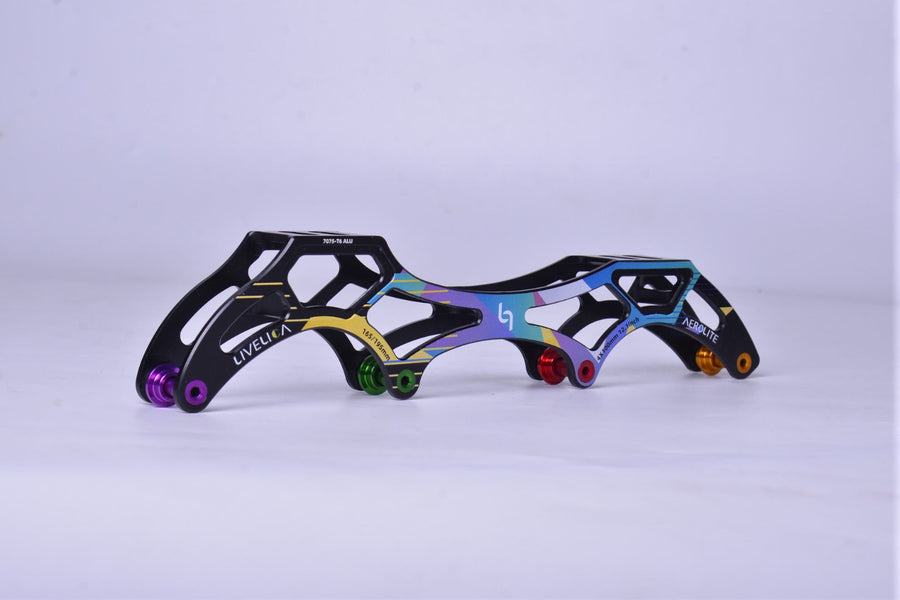
Big wheels roll faster once you are moving, so it is tempting to jump straight onto a three wheel frame. But taller setups sit higher off the ground, feel less stable and punish sloppy position. A four wheel frame is a far easier place to learn. The LiveLica Aerolite 4x100 frame runs four 100mm wheels on a 12.1 inch platform, which gives a settled wheelbase that tracks straight while staying short enough to turn cleanly. Move up to larger wheels once your position and cornering are settled, not before.
Mistake 7: ignoring frame position
Most beginners bolt the frame on in whatever position it arrived and never touch it again. Frame position changes where your weight sits on the wheels and how the skate turns. If your skates always seem to drift one way, or your ankles collapse inwards, a small sideways shift of the frame is often the answer. Move it a millimetre or two at a time, skate a full session, and note what you changed so you can go back.
Mistake 8: choosing the hardest wheel for every road
Harder feels faster, so beginners often buy the hardest compound on offer. On a smooth, dry track that can be right, but on dusty or patchy Indian roads a very hard wheel can slide just when you need grip. A grippier race compound is often faster in practice because you can push with confidence. The JUNK Voodoo XFirm, rated 84 to 86A, is made for hard, smooth, dry surfaces where you want the wheel to hold as well as roll, which makes it a sensible first race wheel for most skaters. Pick the hardness for your surface and your confidence, not for the label.
Mistake 9: never rotating wheels
Wheels wear unevenly. The inside edge wears faster than the outside, and some positions on the frame wear faster than others. Leave them in place for months and they cone into a shape that grips badly and feels vague. Check them every week or two and rotate before the wear gets obvious. Ten minutes with an Allen key keeps an expensive set of eight rolling true for far longer.
Mistake 10: flooding bearings with oil, or reaching for WD40
Two opposite mistakes here. Some skaters drown their bearings in oil, thinking more is better. Excess oil simply catches dust and turns into a grinding paste. Others spray a household degreaser or water displacer into the bearing, which strips the lubricant and leaves the balls running dry. A speed bearing wants a thin skate oil and very little of it. Speedslick Pro Bearing Oil comes in a 10 ml precision tip bottle and needs just one drop per bearing, and it suits both steel and ceramic bearings.
A single drop spreads around the balls as the wheel turns. Anything more sits on the shields and collects the grit that slows you down.
Mistake 11: storing skates wet after a monsoon session
A wet ride in July followed by a closed kit bag is how good bearings rust in a week. After a wet session, take the wheels off, dry everything, spin the bearings, and clean and re oil them before they sit. Store skates somewhere airy, never in a closed bag straight from the road.
Mistake 12: changing everything at once
New wheels, new frame and new bearings all fitted on the same day feel exciting, but you will never know which change helped and which did nothing. Change one thing, skate it for a few sessions, then decide.
Safety mistakes that only look harmless
Mistake 13: skating without a helmet on a short ride
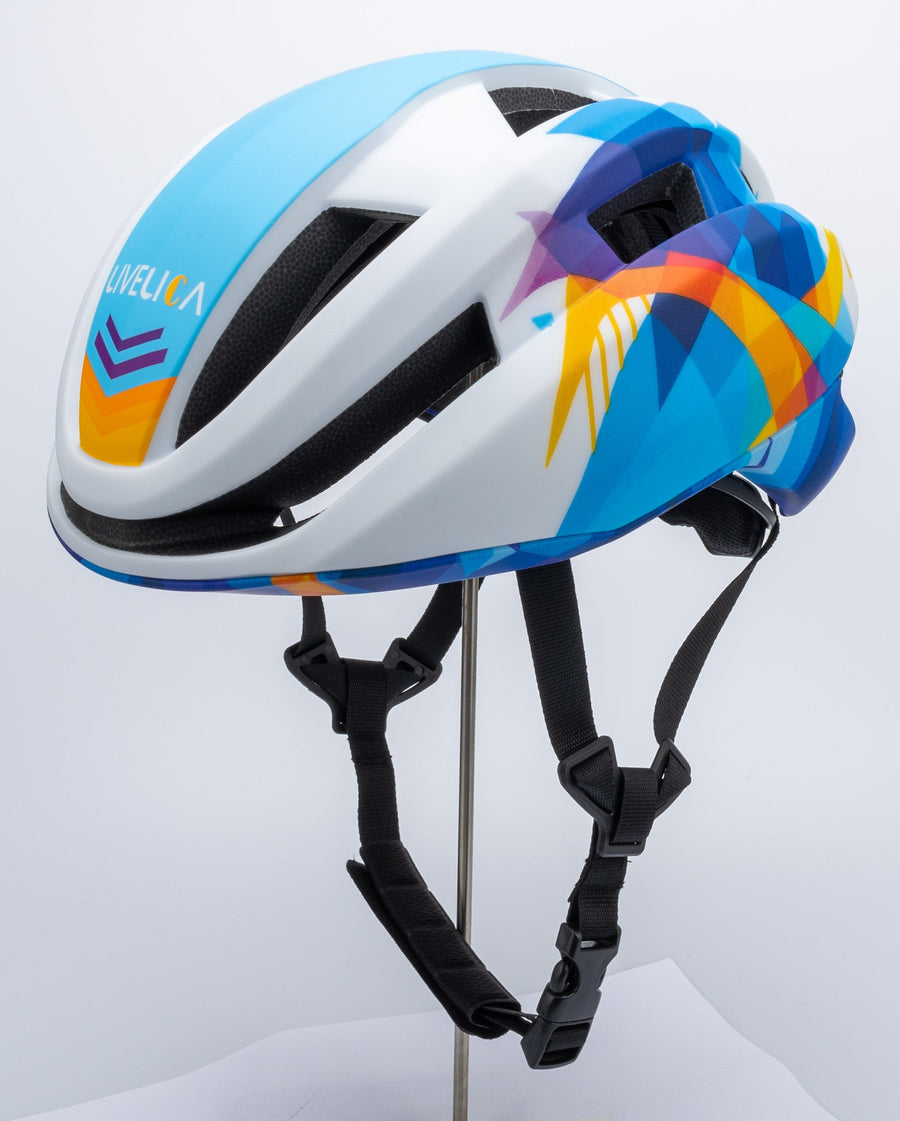
Most falls happen on ordinary days at ordinary speeds, often in the first few minutes before you are warm. A helmet is not only for racing. The LiveLica Ventilated Skate Helmet is certified to CE EN1078, weighs 250 grams and uses a rear dial to snug the fit in seconds, so there is little reason to leave it at home. Whatever helmet you wear, it should sit level on your forehead and not rock when you shake your head.
Mistake 14: skipping gloves
When you fall, your hands go down first. Bare palms on tarmac are a painful way to lose a fortnight of training. A light, breathable glove like the LiveLica Skate Gloves, with a lightly padded palm, adds protection without bulk and keeps your hands comfortable through a long session.
Mistake 15: training on busy roads at peak hours
Fast skating needs space. Early mornings, closed tracks and quiet service roads are far safer than a main road at rush hour. Plan the route, skate with a partner when you can, and wear something bright.
How to work through this list
Do not try to fix everything this week. Pick one technique mistake and one setup mistake, and give each two or three weeks. A good starting pair for most beginners is skating lower (mistake 1) and checking your oil habits (mistake 10). Film yourself from the side once a fortnight on your phone. Video is the fastest way to spot bobbing, tall posture and arm swing, because what you feel and what you do are rarely the same thing at first.
- Week one to three: low position drills and a clean, lightly oiled set of bearings.
- Week four to six: sideways push drills and a wheel rotation routine.
- Week seven onwards: arm swing, eyes up, and frame position fine tuning.
Frequently asked questions
What is the most common inline speed skating mistake?
Skating too tall and pushing backwards. The two usually come together, and fixing position tends to fix the push direction too, because a low stance naturally sends the leg out to the side.
Will better wheels or bearings fix a slow stride?
Only a little. Good gear rewards good technique, but it cannot replace it. Work on position first, then upgrade in the order that gives you the most skating for your money.
How often should I oil my bearings?
Whenever you clean them, and after any wet session. One drop per bearing is enough. If the bearings sound gritty, clean them first rather than adding more oil.
Should a beginner start on three wheels or four?
Most beginners learn faster on four wheels, because a lower, longer platform is more stable and forgiving. Three wheel frames make sense once you are carrying speed with good position.
Do I need a helmet for training, or only for races?
For every session. Most falls happen in training, not racing, and a certified helmet is the single most important piece of kit you own.
Every fast skater you admire made these mistakes once. The difference is that they noticed and fixed them one by one. Pick your two, get to work, and if you want help choosing parts for your setup, browse the Power Bearings collection or message us and we will talk it through, skater to skater.