Most skaters will happily spend thirty thousand rupees chasing a fraction of a watt in a bearing, then turn up to a two hour road session having eaten a packet of biscuits at breakfast and carrying nothing to drink. Speed skating nutrition is the cheapest performance variable you own, and it is the one that decides whether the last twenty minutes of a session are the part where your technique sharpens or the part where it falls apart.
This guide is deliberately practical. It covers what to eat before a session, what you actually need during one depending on how long you are out, what to do in the hour afterwards, and how the heat and humidity most Indian skaters train in change the picture. One thing to say plainly at the start: bodies differ, and the guidance below is general. If you have a medical condition, or you want a plan built around your own training load, a qualified dietitian or your doctor is the right person to speak to.
Why fuelling matters more for skaters than it looks
Skating is deceptive. The low position means your legs are under near constant tension even when you are gliding, and unlike running there is very little passive recovery in the stride. Add a deep position that compresses your torso, a long session on a road loop with no easy place to stop, and heat that pulls fluid out of you faster than you notice, and you have a sport where running out of fuel happens quietly and then all at once.
The warning signs are worth knowing because they are so easy to misread. Your position creeps up and you feel lazy rather than tired. Your corners go wide. You start making small technical errors you had fixed months ago. Skaters usually blame their legs or their motivation. Very often it is simply that they have been out for ninety minutes on nothing but water.
Before a session: the meal and the top up
Two to three hours before
The main meal before skating wants to be mostly carbohydrate based, moderate in protein, and low in fat and fibre, because fat and fibre slow digestion and a full stomach in a deep skating position is genuinely uncomfortable. Rice, roti, poha, upma, oats, pasta, bread, potatoes and bananas all do the job well. Keep it familiar and keep the portion sensible.
If you cannot eat two hours out, do not force a big meal closer to the session. Eat less, closer in, and accept that a short easy session does not need much fuel anyway.
The thirty minute top up
Twenty to thirty minutes before you roll, a small, simple carbohydrate snack helps, especially for a hard or long session. A banana, a couple of dates, a small handful of raisins or a slice of toast with jam are all fine. This is a top up, not a meal, and it should sit light.
For an easy skate of under an hour, none of this is essential. Train in whatever state you normally live in and save the careful fuelling for the sessions that need it.
The same shape works for every session. What changes is how much of it you actually need, which depends entirely on duration.
During a session: it depends entirely on how long you are out
This is where most advice goes wrong, because it treats all sessions the same. They are not. Here is the honest breakdown.
Up to about 45 minutes
You do not need to eat. You have enough stored fuel for this. Carry water and drink when you want it, and that is the whole strategy. Anyone selling you a gel for a forty minute skate is selling you something you do not need.
About one to two hours
Now fuel starts to matter, particularly if the session includes hard intervals. Something simple and carbohydrate based partway through makes a noticeable difference to how the second half feels. Dates, a banana tucked in a pocket, a small bar, or simply a bottle with something dissolved in it rather than plain water. Start taking it on early rather than waiting until you feel empty, because once you are genuinely low it is very hard to catch up while still skating.
Marathon length and beyond
For anything approaching marathon distance, fuelling becomes a plan rather than an afterthought. Take on small amounts regularly from early in the session rather than large amounts occasionally. Practise it in training, because your stomach needs training as much as your legs do, and race day is the worst possible time to discover that a particular product disagrees with you. Our 12 week marathon training plan covers how to build the distance itself, and the long rides in it are exactly where you should be rehearsing your fuelling.
Match the effort to the session. Over fuelling a short skate is as pointless as under fuelling a long one.
Hydration, and why India changes the maths
Heat and humidity are the part that imported guides consistently understate. Skating at forty degrees in Chennai in May is a different physiological problem from skating at fifteen degrees in Europe, and the difference shows up in how much you sweat and how much salt goes with it.
The practical version is simple. Start the session already hydrated rather than trying to catch up once you are out, because you will not catch up. Drink regularly rather than waiting to feel thirsty on hot days, since thirst lags behind actual need when you are sweating hard. For anything over an hour in heat, plain water alone is often not enough, and a drink containing some sodium helps you hold on to what you take in. If you finish a session with a white salt crust on your skin or your kit, that is a useful sign that you are a heavy salt loser and should take electrolytes seriously.
Timing matters as much as volume. Skating at dawn or after sunset rather than in the middle of the day removes most of the problem at no cost, and our guide to skating in Indian conditions covers how heat, dust and monsoon affect both you and your equipment.
What to carry when there is no aid station
Indian road skating rarely comes with a feed zone. If you are two hours into a loop and forty minutes from home, whatever is in your pocket is the entire plan, so pack it deliberately before you leave rather than hoping to find a shop.
- Fluid you can actually reach and drink while moving, in a bottle or a small pack, with a second bottle stashed on the route for very long rides.
- Simple carbohydrate that survives heat: dates, a banana, raisins or a bar that will not melt into your kit.
- Something salty for long hot sessions, whether that is an electrolyte tablet in a bottle or a small packet of salted snacks.
- A little money or a payment app for an emergency drink, which has rescued more long sessions than any planned strategy.
- A phone, so that a bad day becomes an inconvenience rather than a problem.
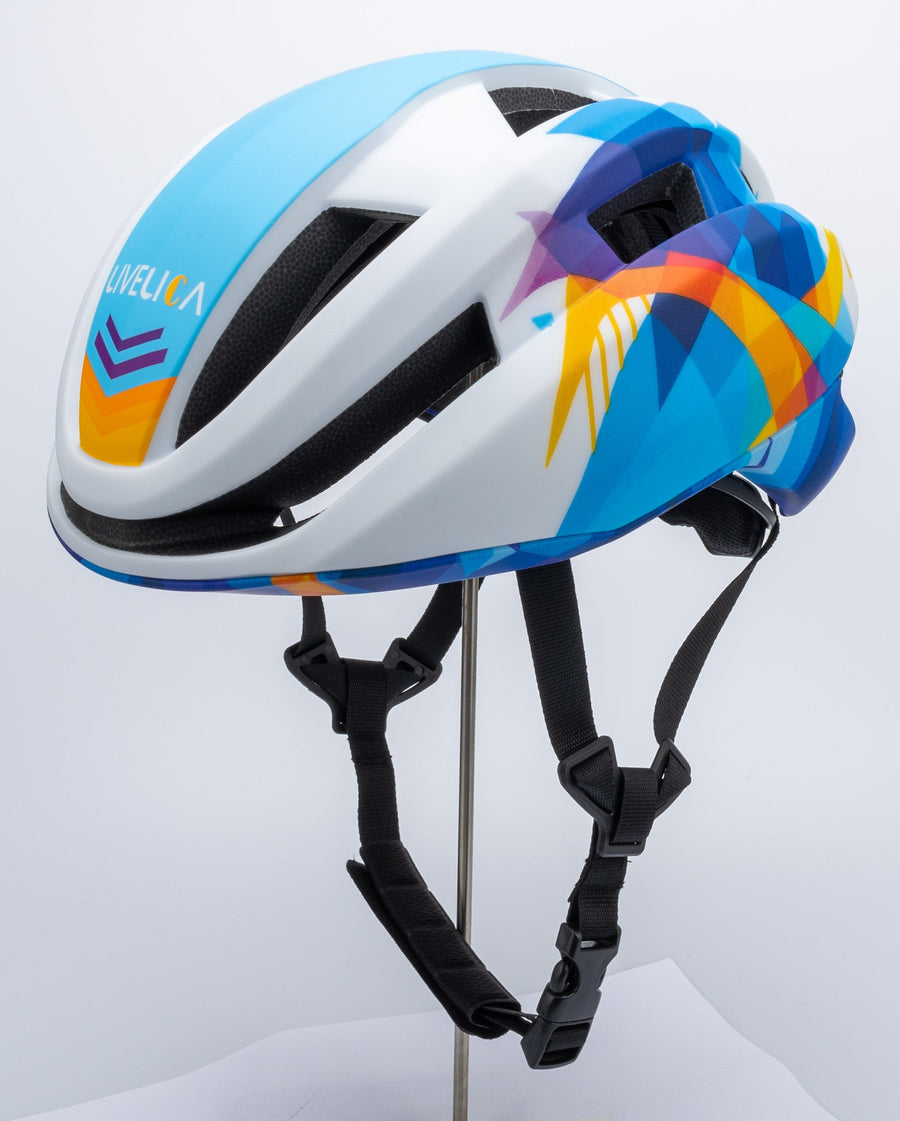
What you wear affects this too. A close fitting race layer such as the LiveLica Pro Skin Suit moves sweat away and stops fabric flapping and chafing over a long session, which matters far more at hour two than hour one. You can compare the options in the LiveLica skin suit collection. And since a long fuelling dependent road session means you are out on open roads, a certified lid from the LiveLica helmet range belongs in the same kit list as the bottle.
After the session: the hour that sets up tomorrow
Recovery nutrition matters most when you are training again soon. If your next session is three days away, a normal balanced meal at the usual time is genuinely fine. If you are skating again tomorrow, or twice today, the hour after you stop is worth using.
Aim for a combination of carbohydrate to replace what you used and some protein to support repair. Rice and dal, a paratha and curd, eggs on toast, a glass of milk and a banana, or whatever your normal post training meal looks like. Keep drinking too, since most skaters finish a hot session with a fluid debt they carry into the evening without noticing. There is nothing exotic required here, and the everyday food you already eat does the job perfectly well.
Race day is not the day to experiment
The single most common nutrition mistake in racing is trying something new on the morning of a competition. A different breakfast, an unfamiliar energy product handed to you by a teammate, or a bigger meal than usual because you feel you should carb load.
Rehearse your race day eating in training, on the sessions that most resemble the event, and then repeat exactly that on the day. Boring and familiar beats optimal and untested every time. If you are building your training week, our inline speed skating training plan is a sensible place to slot those rehearsal sessions in.
Frequently asked questions
Should I skate on an empty stomach?
For a short easy session it is fine if that suits you and you feel good doing it. For hard or long sessions it usually costs you quality, and quality is the reason you are training.
Do I need sports drinks and gels?
Not for most training. Real food and water cover the majority of what skaters do. They become genuinely useful for long efforts and races, where convenience and fast absorption matter and you cannot stop to eat.
How do I know if I am drinking enough in the heat?
Pale urine and a stable weight across a session are reasonable everyday signs. Persistent headaches, dizziness or dark urine after training suggest you are behind, and are worth taking seriously rather than skating through.
What should I eat before an early morning session?
Something small and simple that you know sits well, such as a banana, toast or a few dates, rather than a full meal. Many skaters train early precisely to avoid the heat, and a light top up plus good hydration the night before works better than forcing breakfast.
Is coffee before skating a good idea?
Plenty of skaters use it and tolerate it well. Like everything else, try it in training first rather than on a race morning, and be aware it is a mild diuretic so it does not replace your fluid plan.
Does any of this change for juniors?
The principles hold, but young skaters generally need regular, normal meals and steady hydration rather than anything specialised. Sports products are rarely necessary at that stage, and a parent or coach unsure about a growing athlete's needs should speak to a qualified professional.
The short version
Eat a familiar carbohydrate based meal two to three hours before, top up lightly half an hour out if the session is hard or long, and carry water for anything over forty minutes. Add fuel once you are past an hour, add salt once you are past an hour in heat, and rehearse anything you plan to use in a race long before the race. Afterwards, eat normally and keep drinking. None of this is complicated or expensive, and it will do more for your last twenty minutes than any upgrade you can bolt to the skate.
Training for a long event and unsure how to build your fuelling into it? Message us. We skate these distances in this climate too.