Most skate maintenance advice on the internet was written for a climate that does not exist in most of India. It assumes a clean indoor floor, a mild summer and a garage that stays dry. Skaters here deal with a very different set of conditions. Afternoon track sessions in forty degree heat. Fine grit blowing across an outdoor rink. Then a monsoon that turns the air itself into a maintenance problem for two or three months of the year.
None of this means your equipment is doomed. It means the standard advice needs translating. Bearings and wheels are not fragile, but they are unforgiving of neglect in exactly the ways Indian conditions encourage. This guide goes through what heat, dust and damp actually do to a skate, in order, and then gives you a routine that takes a few minutes after each session and saves you a great deal of money over a season.
Why climate matters more than most skaters think
A wheel and a bearing are a system, and both halves are sensitive to the environment. Urethane is a temperature sensitive material, so the same wheel behaves differently on a cool morning floor and a baking afternoon one. A bearing is a set of hardened steel or ceramic balls running in machined races with a film of oil between them, and that film is a very thin line of defence. Heat thins the oil. Dust contaminates it. Water displaces it and then leaves rust behind where it sat.
Skaters usually notice the result long before they identify the cause. Rolls feel shorter. There is a gritty sound at low speed. Wheels seem to wear out faster than they used to. Almost always the story starts with the weather and the surface, not with a faulty part.
Each season attacks a different part of the skate, so the right routine changes through the year.
Heat, and what a baking surface does to your setup
Urethane goes soft
Wheels are made of urethane, and urethane softens as it warms. Some of that heat comes from the air and the surface, and some of it is generated by the wheel itself as it deforms and recovers thousands of times a minute. On a hot Indian afternoon a wheel can end a session considerably warmer than it started. A softer wheel grips more, which can feel good for the first few laps, but it also deforms more, rolls a little slower and wears away faster. Skaters who train through the summer on outdoor tarmac often get through wheels noticeably quicker than the same skaters training indoors in winter.
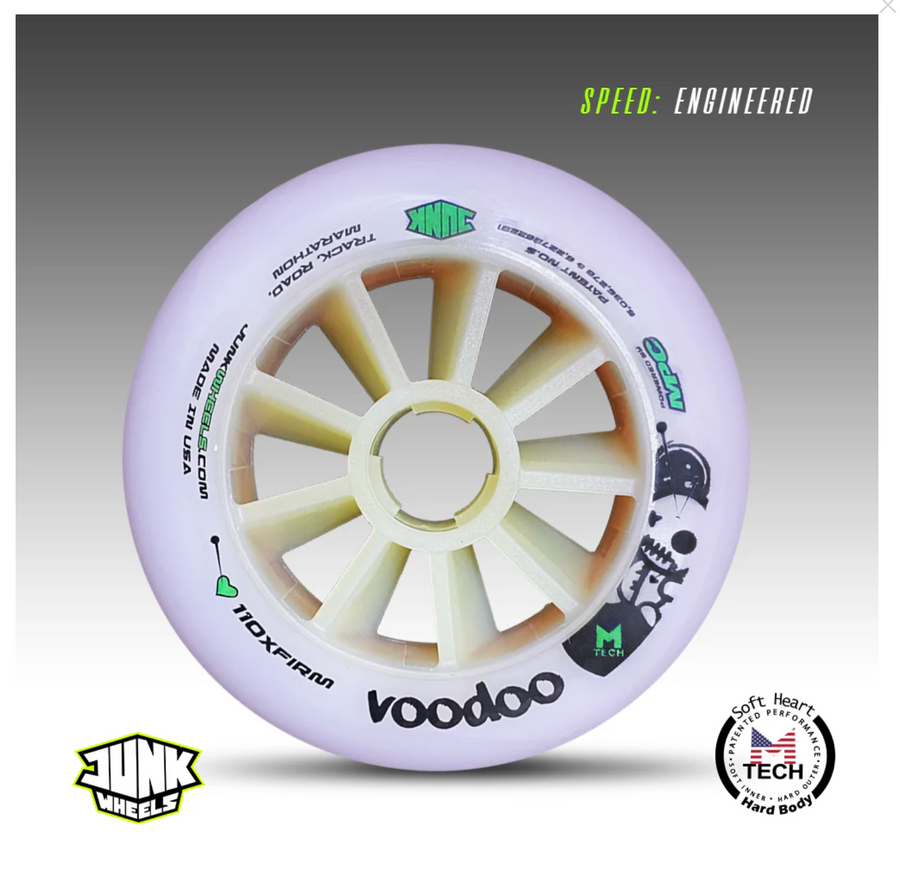
The practical response is to lean slightly harder than usual on the firmer end of the range for hot outdoor sessions, and to rotate more often so the extra wear is shared out rather than concentrated on one or two wheels. If you are choosing new race wheels, the harder options such as the MPC Black Magic XXFirm and the rest of the JUNK wheels range give you room to match the compound to the heat and the surface you actually train on.
Heat inside the bearing
Heat also thins oil. A light oil is chosen because a thick one drags, but the trade off is that a thin film gets thinner still when everything is hot, which means less separation between the balls and the races at exactly the moment loads are highest. This is not a reason to switch to heavy machine oil. Thick oil protects but drags, and very thin oil feels fast at first and then leaves the bearing dry within a session. A purpose made skate bearing oil sits between those extremes. Speedslick Pro is our own light bearing oil made for exactly that job, in a 10 ml bottle with a fine tip, and it takes only one drop per bearing.
Dust, the quiet killer of fast bearings
Dust is the single most damaging thing most Indian skaters put their bearings through, and it does its work silently. Fine grit finds its way past the shield, meets the oil film and turns it into a grinding paste. From that point every rotation is polishing away at the races. The bearing gets louder, then rougher, then slow, and no amount of fresh oil on top will fix it, because oil binds to grit and traps more of it inside.
The order of operations matters enormously here. If a bearing is dirty you clean it first and let it dry fully, then add one drop of oil. Oiling a dirty bearing does more harm than good. Skaters who train in dust or wet conditions will need to clean and re oil more often than someone rolling on a clean indoor floor, and there is no fixed schedule that beats simply listening to your skates. When the roll starts to feel short or the bearing sounds gritty, it is time.
The oil film is the only thing between hardened balls and hardened races. Grit turns that protection into an abrasive.
Monsoon, water and the rust that follows
Rain is not instantly fatal, but water displaces oil and then sits in the races. What kills a bearing is not the puddle you rolled through, it is the two days it spent damp inside a closed skate bag afterwards. Rust forms quietly, and by the time you hear it the surfaces are already pitted.
If you get caught out in the wet, treat it as a job for the same evening rather than the weekend. Take the wheels off, take the bearings out, dry everything properly, clean if there is any grit, let them dry fully again and then put one drop of fresh oil in each. Refit and spin them by hand to spread the oil evenly. It sounds like a lot of work the first time and takes very little time once you have done it twice.
Material choice helps here too. Ceramic bearings tolerate heat and water better than steel, which is a real advantage for anyone training through a humid season, although they still need clean oil to run at their best. If you are weighing that up, the Power Bearings Swiss Ceramic sits at the top of our range and the full Power Bearings collection covers everything from entry level steel upward.
The routine that actually keeps your skates fast
Almost everything above comes down to a short habit repeated consistently. Here is the version we recommend to skaters training in Indian conditions.
- Wipe the wheels and the outside of the bearings down after every outdoor session, while the dust is still loose.
- Spin each wheel by hand and listen. A short roll or a gritty sound is your early warning system.
- Never store skates damp. Loosen the boot, let air get to everything, and keep them out of a sealed bag until they are dry.
- Clean bearings when they sound gritty, not on a fixed calendar. Dust exposure decides the interval, not the date.
- Dry fully after cleaning, then add exactly one drop of oil per bearing and spin to spread it.
- Wipe away any excess oil. More oil is not faster, because a flooded bearing collects dust and drags.
- Rotate wheels regularly, and more often in hot weather when wear accelerates.
Four small steps after each session are worth more than one big cleaning day every few months.
Storing skates through a long break
Many Indian skaters have a stretch of weeks when training pauses, either through the heaviest monsoon or around exams. Long storage is when quiet damage happens, because nothing is spinning and nothing is being inspected. Before a break, clean and oil the bearings, wipe the wheels, and store the skates somewhere dry with air around them rather than inside a zipped bag. Keeping the wheels off the floor helps avoid flat spotting on a set that sits loaded in one position for weeks.
Choosing gear that copes with the conditions you actually skate in
There is no single correct setup, only a setup that matches your surface, your climate and how often you are willing to maintain it. A skater training mostly on clean indoor floors can run softer compounds and go longer between bearing cleans. A skater on dusty outdoor tarmac through a hot summer will get better value from firmer wheels, a disciplined wipe down habit and a bearing choice that shrugs off heat and damp. Speedslick Pro suits standard 608 skate bearings and works across the range of steel and ceramic bearings, so whatever you settle on in the Power Bearings range, the maintenance side stays simple.
Frequently asked questions
How often should I clean my bearings if I skate outdoors in India?
There is no fixed number. Clean when the roll starts to feel short or the bearing sounds gritty. Skaters training in dust or wet conditions will need to clean and re oil noticeably more often than those on clean indoor floors.
Will ceramic bearings solve my monsoon problem?
They help, because ceramic tolerates heat and water better than steel. They are not maintenance free, though. They still need clean oil to run at their best, and the same one drop routine applies.
Can I just add more oil instead of cleaning?
No. Oil binds to grit, so oiling a dirty bearing traps dust inside and slows it down. Clean first, dry fully, then add one drop per bearing.
How much oil is the right amount?
One drop per bearing. Too much oil attracts dust and adds drag, so wipe away any excess after spinning the bearing by hand.
Does heat really wear wheels out faster?
Urethane softens as it warms, and a softer wheel deforms and wears more. Rotating your wheels regularly spreads that wear out instead of letting it concentrate on the positions that take the most load.
The takeaway
Indian conditions are harder on skates than the conditions most maintenance guides assume, but the fix is not complicated equipment. It is a wipe down, a listen, a proper dry and one drop of oil, repeated. Do that and a good set of bearings will stay fast for seasons rather than months, and your wheels will wear evenly instead of dying young. If you are unsure what your bearings are telling you, describe the sound and the feel to us and we will help you work out whether it is a clean, a re oil or a replacement.