If you have been wondering how to train for an inline skating marathon, the honest answer is that 42 kilometres on skates is not a longer version of a club race. It is a different sport with different demands, and most first timers who struggle at the finish did not lack fitness. They lacked a plan that matched the race. This guide gives you that plan: a twelve week build that fits around work or school, the long skate that does most of the work, a pacing strategy for the day, and a clear view of which gear choices matter over two hours of road and which ones do not. It is written skater to skater, for someone who can already skate comfortably for an hour and wants to finish their first marathon strong rather than survive it.
If you are still working on your basic stride, start with our inline speed skating training plan and come back here once a steady 45 minute skate feels easy. If you already race shorter distances and want to know how a marathon changes your equipment, our guide to how race distance changes your setup goes deeper on frames and wheels. This article is about the training, the pacing and the day itself.
What a 42 kilometre skate actually asks of you
A marathon is skated almost entirely in the aerobic zone. There are no starts to explode from and only a handful of corners that matter. What there is instead is a very long time spent in the low skating position, a pack that surges and settles, a body that has to keep pushing after 90 minutes of steady work, and a pair of legs that will be asked for one more effort in the last five kilometres when they have every reason to refuse.
That means three things have to be trained. First, the aerobic engine, so that a pace which feels moderate in week one becomes a pace you can hold for two hours by week twelve. Second, position endurance, because the low stance is what makes you efficient and it is the first thing to collapse when your back and hips tire. A skater who stands up at kilometre 25 is suddenly pushing more air and pushing it less effectively. Third, race craft: riding in a pack, drinking on the move, judging effort without a coach at the side of the road. None of these come from short fast sessions. They come from long skates and from practising the race in pieces.
Before you start: a readiness check
Twelve weeks is enough to prepare a fit club skater for a marathon. It is not enough to take a complete beginner from zero to 42 kilometres safely. Before week one, you should be able to tick off the following.
- Skate for 45 to 60 minutes continuously at an easy conversational pace without stopping.
- Hold a low skating position for several minutes at a time without your lower back forcing you upright.
- Stop reliably at speed using at least one proper technique, because a marathon course has aid stations, corners and other skaters.
- Skate comfortably close behind another skater without clipping wheels.
- Own a helmet and gloves you will actually wear for every session.
If any of those are missing, spend four to six weeks fixing them first. It is far better to start the plan a month late than to start it under prepared and pick up an overuse injury in week five.
The twelve week plan, in three blocks
The plan is built around one long skate per week that grows steadily, one session of intervals that keeps your race pace honest, one easy technique or recovery skate, and one off skate strength session. That is four sessions a week, with the long skate on whichever day you have the most time. Every fourth week is an easier recovery week where the long skate drops back by roughly a third. Those easy weeks are not optional. They are where the body absorbs the work and gets stronger.
The long skate grows in three steps, drops back every fourth week, and never needs to reach the full distance. The taper in week eleven leaves you fresh for the 42 on race day.
Block one, weeks one to four: build the base
The goal here is simply to get comfortable spending more time on skates. Long skates go from 12 to 18 kilometres at an easy pace where you could hold a conversation. The interval session is gentle: after a warm up, skate four to five efforts of three minutes at a pace that is brisk but controlled, with three minutes of easy rolling between them. The technique skate is 30 to 40 minutes of low stance holds, one leg glides and relaxed laps. Strength work is bodyweight squats, lunges, single leg balance and core, twice a week if you can manage it, once if you cannot. Week four is easy: the long skate drops to 12 kilometres and you skip the intervals.
Block two, weeks five to eight: build the engine and learn the pack
Long skates now stretch from 21 to 27 kilometres and this is where the plan starts to feel like marathon training. Do at least two of them with other skaters if you possibly can, taking turns on the front, because the single most useful marathon skill is sitting in a draft without panicking. Intervals move to five or six efforts of four minutes at your intended race pace, with two minutes easy between. The strength session adds step ups and lateral bounds to build the hip muscles that hold the low position. Start practising drinking while rolling on every long skate. Week eight drops the long skate back to 18 kilometres.
Block three, weeks nine to twelve: peak, then taper
Weeks nine and ten hold the two biggest long skates, 30 and 33 kilometres, and both should include a stretch of race pace in the final third so you learn what it feels like to push when tired. You do not need to skate the full 42 in training. The last quarter of a marathon is carried by the base you built and by adrenaline on the day, and skating the whole distance two weeks out only leaves you flat. Week eleven is the taper: the long skate falls to 20 kilometres, intervals shrink to three short efforts, and you sleep more. Week twelve is race week, covered below.
The long skate: the session that decides the race
Everything else in the plan supports the long skate. It teaches the body to burn fuel efficiently, it hardens the back and hips for two hours in position, and it is the only place you can rehearse drinking, pacing and pack skating together. A few rules make it work.
- Skate it slower than feels natural. Easy means you could speak in full sentences for the whole session. Skaters who race their long skates arrive at week nine exhausted.
- Choose the smoothest, safest route you have, ideally a loop you can repeat so a bottle and a spare wheel are never far away. Our guide to skating safely on Indian roads covers route choice and timing.
- Stay low for as much of it as you can. When you feel yourself standing up, that is the moment the session is doing its job. Hold the position for another minute, then rest.
- Drink every fifteen to twenty minutes from week five onwards, and eat something small and familiar on any skate over 25 kilometres.
- Rotate and inspect your wheels afterwards, and clean and oil bearings if the route was dusty. A long skate on slow bearings teaches you nothing about your pace.
How to pace a skating marathon
The classic first marathon mistake is to go with the fast group off the line, feel wonderful for ten kilometres, and then spend the last twenty wishing the race would end. Skating is unforgiving here because a pack that drops you does not come back, and skating alone into the wind for 20 kilometres costs far more energy than sitting in a group ever would.
A marathon is won, or at least finished well, in the first five kilometres. Start controlled, hold steady, and keep one gear in reserve for the finish.
The first five kilometres
Start at an effort that feels slightly too easy. Your heart rate will be high from nerves anyway, and the field always goes out faster than it can sustain. Let the leaders go. Your job is to find a pack skating at a pace you rehearsed in block two, then sit in it. If you are unsure, pick the group that is talking rather than the group that is gasping.
The middle thirty kilometres
This is where the long skates pay off. Hold your position, take short turns on the front only when the group asks, drink on schedule and eat once around the 20 kilometre mark if you practised it. Stay low. If the pack surges, cover it calmly rather than sprinting, because a surge you cannot follow is a signal to let that group go and settle into the next one, not a reason to empty yourself.
The last five kilometres
Now you spend what you saved. If the legs are there, move up through the group before the final straight rather than trying to come around ten skaters at once. If they are not there, hold your line, stay in the draft and finish tidy. Either way, you will pass a lot of people in the final five who went with the fast group at the start.
Pack skating basics for a marathon
Riding in a group saves a large share of your energy, and it is also where most marathon crashes happen. Keep your hands out of the back of the skater in front, watch their hips rather than their wheels, and never overlap your front wheel with someone's back wheel in a corner. Pull through smoothly when it is your turn and peel off to the side the group is already using. Our guide to pack skating and drafting covers positioning and when to attack, and everything in it applies double when the race is two hours long.
Fuel, water and Indian heat
A two hour effort needs fuel and water on board. In training, find out what your stomach tolerates on the move: a banana at the start, a gel or a few dates around 20 kilometres, and water or a light electrolyte drink every fifteen to twenty minutes. Practise every one of these on long skates so nothing is new on race day. If your race is in Indian heat, start hydrated the day before, skate the long sessions at the time of day the race starts so your body adapts, and treat shade and airflow as part of the plan. A ventilated helmet and a suit that dries fast are not luxuries in 35 degree heat. They are what lets you keep pushing.
Gear for marathon day, and what really matters
You do not need new equipment to finish a marathon, and you should never race on anything you have not trained on for at least three weeks. But if you are choosing gear for long road racing, a few choices genuinely pay back over 42 kilometres.
Frame
Long road racing rewards a frame that tracks straight and stays composed for two hours. The LiveLica Aerolite 4x110 runs four 110mm wheels on a 13.2 inch platform at 159 grams in 7075 T6 aluminium, and the long wheelbase is exactly what you want when you are holding a sustained push in a pack. The Aerolite 3x125 is the lighter big wheel option at 155 grams on a 12.6 inch platform, with three 125mm wheels that roll further per stride. Four wheels give more grip and stability, three big wheels give more rollout and a more playful skate. Both are drilled for 165mm and 195mm mounting, so check your boot before ordering.
Wheels
Choose your race wheel for the surface first and the distance second. On a hard, smooth, dry closed road, the JUNK Road Reaper 110 XFirm at 84 to 86A gives you the grip that keeps a tired skater upright in the late corners, while the harder XXFirm at 86 to 88A trades some of that grip for more roll. Whichever you pick, break them in over two or three sessions before the race, and start the marathon on a rotated, evenly worn set rather than the coned wheels you trained on all summer.
Bearings and oil
Friction is a cost you pay on every rotation, and a marathon is tens of thousands of rotations. The Power Bearings Swiss Ceramic uses silicon nitride balls in a precision race, and according to the manufacturer saves 0.8 to 1.0 watts per bearing against typical precision steel. Across sixteen bearings over two hours that is a real number. Whatever bearings you run, clean them in race week and add a single drop of a light skate oil such as Speedslick Pro to each. One drop, not a flood, because excess oil collects road dust and drags.
Suit, helmet and gloves
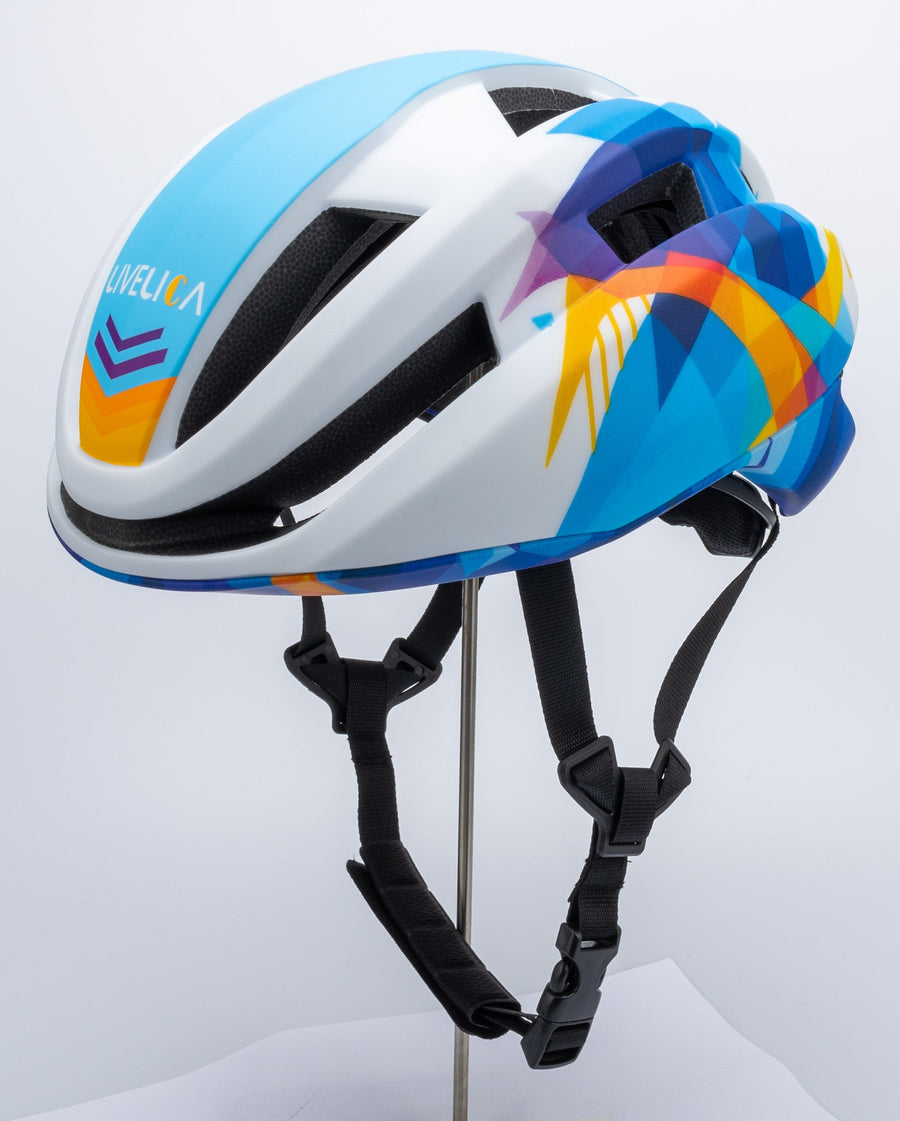
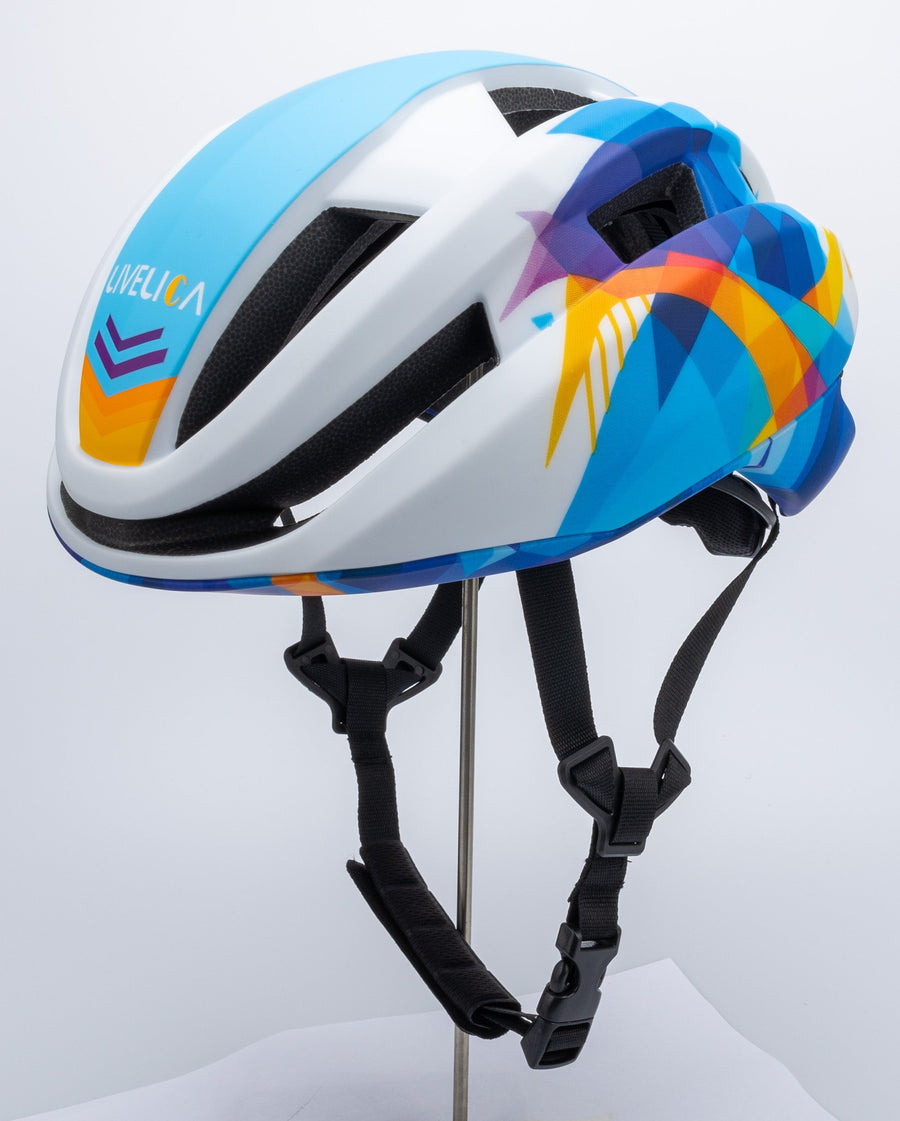
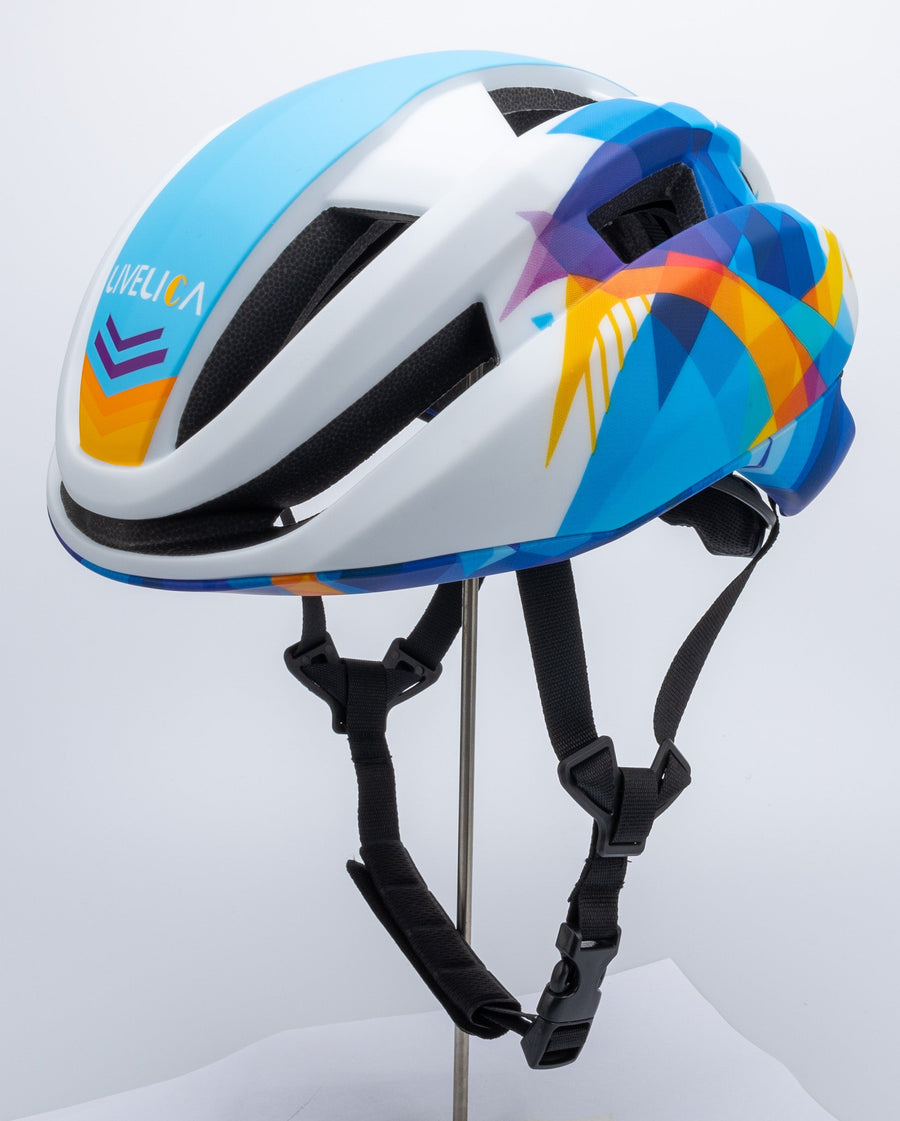
Drag rises steeply with speed and you pay it for every second of the race. A close fitting LiveLica Pro Skin Suit removes the flapping fabric that costs energy over two hours, dries quickly, and carries UPF 50+ sun protection for a long morning on the road. It comes in junior sizes 4 to 16 and senior S, M and L. On your head, the LiveLica Ventilated Skate Helmet is CE EN1078 certified, weighs 250 grams and vents properly, which matters far more in kilometre 35 than in kilometre one. Wear gloves. A hand down on tarmac at 30 kilometres per hour without them is a race ending injury.
Race week: the taper and the checklist
The hardest part of race week is doing less. Your fitness is already built. The job now is to arrive rested, sharp and with skates that will not surprise you.
Race week is about freshness, not fitness. Two easy skates, a few pickups, two rest days and a proper gear check on Friday.
The Friday gear check is worth doing slowly. Rotate the wheels into their race positions and check none are coned. Spin every wheel and listen for a gritty bearing. Check every axle and frame bolt. Charge nothing, because nothing needs charging, but do pack the bag: suit, helmet, gloves, a spare wheel and axle, the Allen key, bottle, food, sunscreen and the race number. Our inline race day setup guide walks through what to check a week, a night and an hour before.
Five first marathon mistakes to avoid
- New wheels or bearings fitted the night before. Anything new goes on three weeks out, never race week.
- Going with the front group. You will see most of them again after kilometre 30.
- Standing up early. The moment you rise out of position your drag climbs and your push shortens. Practise staying low when tired.
- Skipping the drink because you feel fine. By the time you feel thirsty on a hot road you are already slowing.
- Racing on a long skate you never did. If your longest training skate was 20 kilometres, the marathon will hurt from 25 onwards. Do the 30 and the 33.
Frequently asked questions
How long does it take to train for an inline skating marathon?
For a skater who can already skate an easy hour, twelve weeks of structured training is enough to finish comfortably. If you are newer than that, give yourself four to six extra weeks of base before starting the plan.
Do I need to skate 42 kilometres in training?
No. A longest skate of 30 to 35 kilometres two to three weeks out is enough. The base you built and the race day pack carry you through the final quarter.
What wheel size is best for a skating marathon?
110mm on a four wheel frame or 125mm on a three wheel frame are the usual choices for long road racing because they roll further per stride. What matters more is racing on the frame and wheels you trained on.
Are ceramic bearings worth it for a marathon?
Distance is where friction savings add up, so a marathon is the one race where a hybrid ceramic bearing has the most to offer. That said, a clean, well oiled steel bearing beats a dirty ceramic one every time, so maintenance comes first.
How should I eat and drink during the race?
Only what you rehearsed in training. Water or a light electrolyte drink every fifteen to twenty minutes, and something small and familiar around the 20 kilometre mark. Never try a new gel or drink on race day.
What if I get dropped by my pack?
Do not chase alone for long. Ease off slightly, let the next group behind catch you, and sit in that. Skating solo into the wind for 15 kilometres costs far more than the minute you lose waiting.
Your first inline skating marathon is one of the best days you will have on skates if you arrive prepared. Build the base, respect the long skate, start slower than your nerves want, and race the gear you trained on. If you are choosing a frame, wheels or bearings for a long road race and are not sure which suits your course and conditions, message us and we will help you decide.