Ask any experienced inline speed skater what separated them from the pack when they finally got fast, and a lot of them will point to the same thing: the day the double push clicked. The double push is the stroke that lets marathon and track skaters hold high speeds for long stretches while looking almost relaxed. It is also one of the most misunderstood movements in the sport, because from the outside it just looks like normal skating done smoothly. This guide explains what the double push actually is, why it produces more speed from the same effort, how to build it step by step, and what it demands from your frames, wheels and bearings so that the setup underneath you can deliver the power the stroke creates.
We will keep this practical and skater to skater. The double push is a feel first skill, so the aim here is to give you a clear mental picture and a sensible progression, not a wall of theory. If you skate a modern inline speed setup you already own the tools to learn it. What you need is an understanding of the movement and the patience to drill it slowly.
What the double push actually is
A classic skating stroke has one push per leg. You set the skate down under you, roll onto an edge, and push out to the side, then recover the leg and repeat on the other side. The double push adds a second push at the start of the same stroke. Instead of setting the skate straight down, you place it slightly to the inside of your body on an inside edge, push inward briefly, then roll the skate across to the outside edge and deliver the familiar outward push. Two pushes, one leg, one stroke.
The payoff is that you turn what used to be dead time into propulsion. In a single push stroke, the moment when you first set the skate down produces no drive; it is just a landing. In a double push, that landing becomes an active inward push, so you are generating force across a longer part of each stroke. More of your stride does useful work, which is why skaters can hold a higher cruising speed without a higher heart rate once the movement becomes natural.
The single push travels one way out from the centre line. The double push first curves inward on an inside edge, then rolls across and pushes outward, adding drive where a normal stroke only had a landing.
Why the inside edge is the secret
The heart of the double push is the inside edge push. When you set the skate down slightly inside your body line and push inward, you are loading the inside edge of your wheels and using it to send force toward your centre. This feels strange at first because most skaters are taught to keep the setdown directly under the body. Learning to place the skate inside your track and trust the inside edge is the single biggest hurdle, and it is why the movement takes weeks rather than days to feel natural.
Once the inside push is spent, you relax the ankle and let the skate roll from the inside edge, through flat, onto the outside edge. That roll is smooth and continuous, not a flick. The moment the skate reaches the outside edge you deliver the main outward push exactly as you would in ordinary skating. The two pushes should feel like one connected sweep, not two separate efforts jammed together.
The wheel rolls smoothly from the inside edge, through flat, onto the outside edge across one stroke. The inward push loads the inside edge, the outward push loads the outside edge.
What the double push asks of your setup
Because the double push loads both edges of the wheel hard and repeatedly, your equipment has to be up to it. A flexy or poorly mounted frame robs you of the crisp edge changes the stroke depends on, which is why serious skaters run a stiff, light race frame. The LiveLica Aerolite Frame 4x100 is a sensible track and road choice, while marathon skaters chasing a longer roll often prefer the LiveLica Aerolite Frame 4x110. A stiff frame transmits your inside and outside pushes directly into the wheels instead of soaking them up.
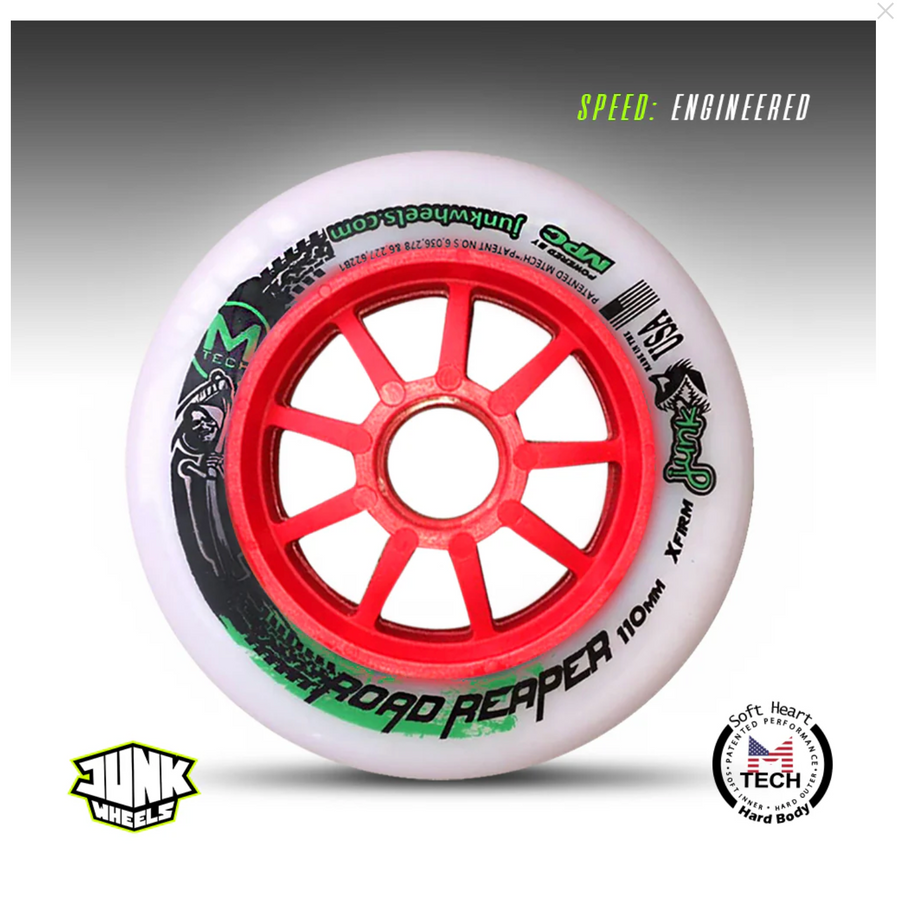
Wheels matter just as much, because the double push relies on grip through both edges. A wheel that is too hard will slip during the inside push, while a wheel matched to your weight and surface will hold and drive. Popular race choices such as the JUNK Voodoo XFirm Wheels and the MPC Black Magic XFirm Wheels give the edge grip you need to load both sides of the stroke with confidence. If you are unsure which firmness suits you, match it to your body weight and the smoothness of your usual surface.
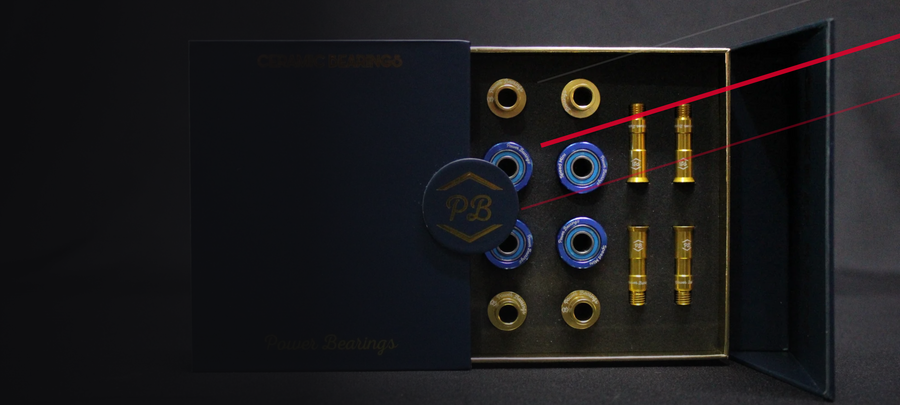
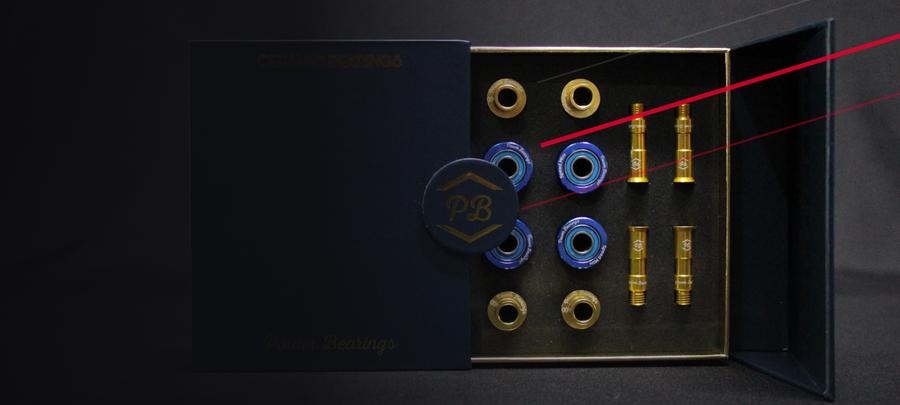
Finally, bearings decide how much of your hard won speed survives between strokes. The double push builds a high cruising pace, and you want that pace to carry through the glide rather than bleeding away. Smooth, well maintained bearings such as the Power Bearings Swiss Ceramic keep the roll free so the speed your stroke creates is not lost to friction. Clean bearings and a stiff frame together let the stroke do its job.
A step by step progression to learn it
Do not try to skate a full double push at speed on day one. Build it in layers. Start by simply skating slowly and exaggerating the setdown so that you place each skate clearly inside your body line, then push out as normal. This teaches your body to accept a setdown that is not directly underneath you. Spend a session just on that.
Next, add the inside edge feel. At a gentle roll, set the skate inside, press onto the inside edge, and feel it push you slightly toward your centre before you roll across and push out. It will feel clumsy and that is fine. Keep the speed low so you have time to feel each phase. Only once the inward push and the roll across feel connected should you add tempo and start blending it into normal skating. Rushing straight to race pace almost always bakes in a rushed, disconnected stroke that is hard to unlearn.
Build the stroke in three layers: an inside setdown, then the inside edge push and roll, then tempo. Speed is the last thing you add, never the first.
Common double push mistakes
The most frequent error is faking it. Many skaters wiggle their hips side to side and believe they are double pushing, when in reality they never load the inside edge at all. If you are not feeling a distinct inward push against the inside edge, you are just swaying. Slow right down and hunt for that inside edge pressure before you add any speed.
The second common mistake is a jerky transition between the two pushes. The roll from inside edge to outside edge must be smooth, driven by a relaxing ankle, not a sudden stamp. If your stroke feels like two separate efforts, you are rushing the roll. The third mistake is setting the skate too far inside, so far that you cannot recover balance, which usually means you are trying to force a big double push before your edge control is ready. Keep the inside setdown modest until your balance catches up.
Frequently asked questions
Do I need the double push to enjoy inline speed skating?
No. Plenty of skaters have a great time and stay reasonably quick with a clean single push. The double push is a performance skill for those who want to hold higher speeds efficiently in marathons and races. Learn a solid single push first, then add the double push when your edges are reliable.
How long does it take to learn the double push?
Most skaters need several weeks of patient, slow practice before it feels connected, and months before it is automatic at race pace. It is a feel skill, so progress comes in sudden jumps rather than steadily. Do not be discouraged if it feels clumsy for a while.
Will a stiffer frame really help my double push?
Yes, noticeably. Because the stroke depends on quick, clean edge changes, a stiff race frame transmits your inside and outside pushes straight into the wheels instead of flexing and blurring them. A secure mount and a stiff frame make the edges feel crisp and responsive.
Which wheels are best for learning the double push?
Choose a firmness that matches your weight and surface so the wheel grips through both edges rather than slipping on the inside push. A wheel that is too hard for you will skid during the inward push and make the stroke harder to feel. Match firmness to your weight and skate on a grippy, smooth surface while you learn.
Bringing it together
The double push is not a trick, it is a more complete way of using each stroke. By setting the skate slightly inside your body, pushing against the inside edge, rolling smoothly across to the outside edge and finishing with the usual outward push, you turn the dead landing phase of ordinary skating into real propulsion. Learn it slowly, hunt for that inside edge feel, and build tempo only once the movement is connected. Give it a stiff frame, wheels matched to your weight and surface, and clean fast bearings, and the double push will reward you with the thing every speed skater wants: more speed for the same honest effort.