You push off, take a few strides, and the skate just will not run. Where you used to glide, now you feel like you are dragging an anchor, or you hear a dry rattle and grind with every rotation. It is one of the most deflating feelings in skating, and almost every skater blames the bearings first. Sometimes they are right. Very often the bearings are fine and something around them is the real culprit. Either way, slow skates are a symptom, and this guide will help you find the cause instead of guessing.
This is a skater to skater troubleshooting guide for slow inline speed bearings. We will start with a simple test that points you straight at the problem, walk through every common cause of drag, noise and grinding, and finish with a clear decision on whether a clean, a drop of oil or a fresh set is the honest fix. No jargon for its own sake, just the checks we run in the pits when a skate is not rolling the way it should.
Fast is normal, slow is a symptom
A healthy bearing does almost nothing. It lets the wheel spin around a fixed axle with as little friction as the steel and the oil allow. When a skate slows down, the friction has gone up somewhere, and your job is to find where. The mistake most skaters make is to throw new bearings at the problem before checking whether the bearings were ever the issue. A grinding noise from a wheel rubbing the frame is not fixed by new bearings, and neither is an axle done up so tight that it crushes the whole assembly. Diagnose first, then fix.
The spin test that tells you where to look
The quickest way to narrow things down takes about a minute per wheel. Flip the skate over, give each wheel a firm flick with your hand and watch and listen. A good wheel spins smoothly for several seconds and coasts quietly to a stop. A wheel that stops almost at once, wobbles, or makes a dry grinding sound is telling you where to look next.
Let the spin test point you at a cause before you change anything, then retest the same wheel to confirm the fix worked.
The usual suspects behind slow bearings
Most slow skates come down to a short list of causes. Work through them in order and you will find the problem far faster than by swapping parts at random.
Dirt and grit inside the bearing
This is the most common cause by a wide margin. Skating outdoors pulls fine dust, sand and road grime past the seals, where it mixes with the oil to form a grinding paste. The bearing still turns, but every ball is now rolling through grit, and that feels like drag and sounds like a dry hiss. Indoor skaters are not immune either, since fine floor dust finds its way in over time.
The same bearing can feel fast or slow depending on whether the space between the balls and races holds clean oil or a paste of dust.
The wrong oil or no oil
Bearings need a light, purpose made oil that leaves almost no drag. Two things go wrong here. The first is running a bearing dry, often after someone flushes it with a solvent to clean it and forgets to re oil, which leaves the balls running on bare steel and wearing fast. The second is using a heavy household lubricant or a water dispersant spray, which is thick and sticky and drags at speed, then dries into a gum that traps dust. If your bearings went slow soon after you oiled them, the oil is the first thing to suspect. One drop of a proper skate oil such as Speedslick Pro Bearing Oil per bearing is all you need, and more oil is slower, not faster.
An over tightened axle
This one fools a lot of skaters. Speed bearings are designed to sit either side of a spacer so the axle can be done up firmly without squeezing the bearings. If you skip or lose the spacer, or simply crank the axle bolt down hard, you clamp the two bearings together and preload them until they barely turn. The wheel then spins for only a second or two even though the bearings are perfectly good. Back the axle off until the wheel spins freely without side to side play, and always run the correct spacer inside the wheel.
The spacer, shown in blue, lets you tighten the axle fully while the bearings still turn without being crushed.
Water and rust
Steel bearings that meet water without being dried and re oiled will rust on the balls and races. Rust feels rough and gritty and gets worse quickly. A caught early rusty bearing can sometimes be cleaned and saved, but once the balls are pitted the roughness is permanent. This is why storing skates wet is such a common way to kill a set, and why ceramic balls, which do not rust, appeal to skaters in humid places.
A rubbing wheel or frame
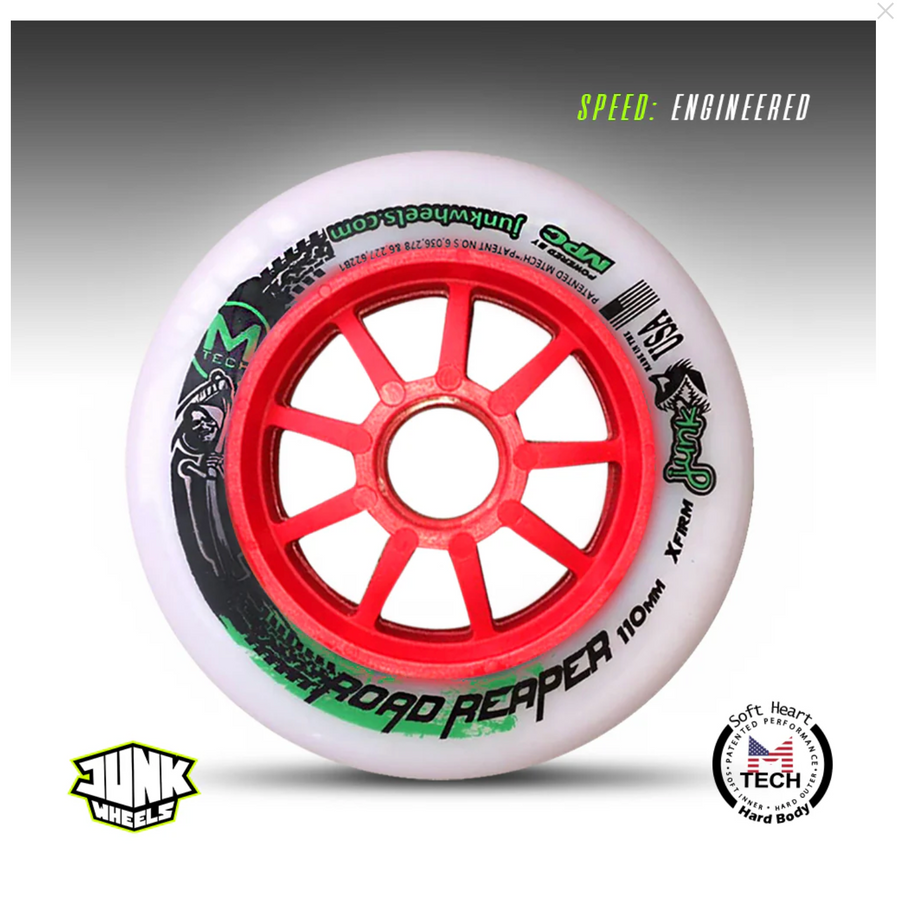
Not every slow skate is the bearing at all. A wheel that has worn unevenly, a slightly bent frame, or a wheel mounted so it kisses the frame wall will scrape and slow you no matter how good the bearings are. If one wheel feels notably worse and you can hear a scuff rather than a grind, spin it and look closely for the wheel touching the frame. Rotating or replacing a coned wheel often restores the roll instantly.
A bearing that is simply worn out
Bearings do not last forever. After enough distance the balls and races develop tiny flat spots and the cage loosens, and no cleaning brings the smoothness back. A worn out bearing feels notchy when you turn it slowly between your fingers, and it will never coast like a fresh one. When cleaning and oiling stop making a difference, the bearing has reached the end of its life.
A simple order of checks
Put it together and you have a routine that finds almost any slow skate in a few minutes. First, spin each wheel and note which are slow. Second, loosen the axle on a slow wheel and spin again, because if it frees up the axle was too tight. Third, check for a wheel rubbing the frame. Fourth, turn the bare bearing slowly in your fingers to feel for grit, roughness or rust. Fifth, clean and re oil a gritty bearing and test again. If it is smooth and quiet after that, you have your answer. If it still feels notchy, the bearing is worn out and it is time for a fresh set.
When to clean, when to replace
The honest rule is that dirt and old oil can be cleaned, but damage cannot. A bearing that is merely dirty, dry or badly oiled will come back to life with a proper clean and one drop of skate oil, and a routine you can follow in our guides on cleaning, oiling and storing your skates. A bearing that is rusted through, pitted or notchy is worn out and no amount of care will help. Replacing a tired set is not a defeat, it is the cheapest speed you will ever buy back.
Choosing bearings that stay fast
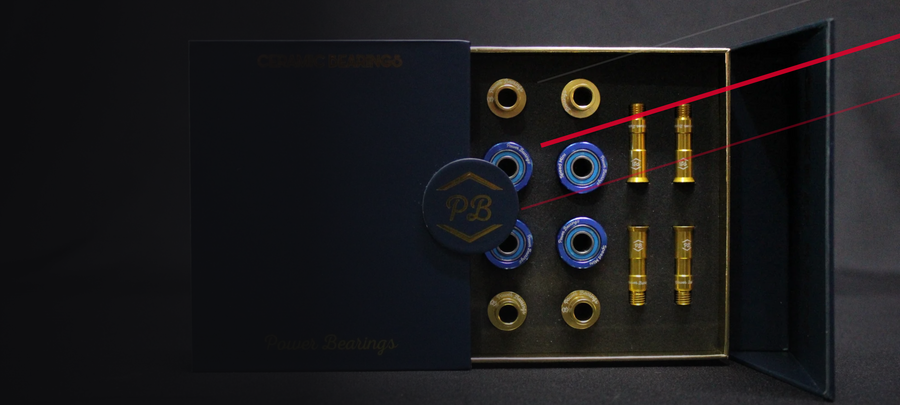
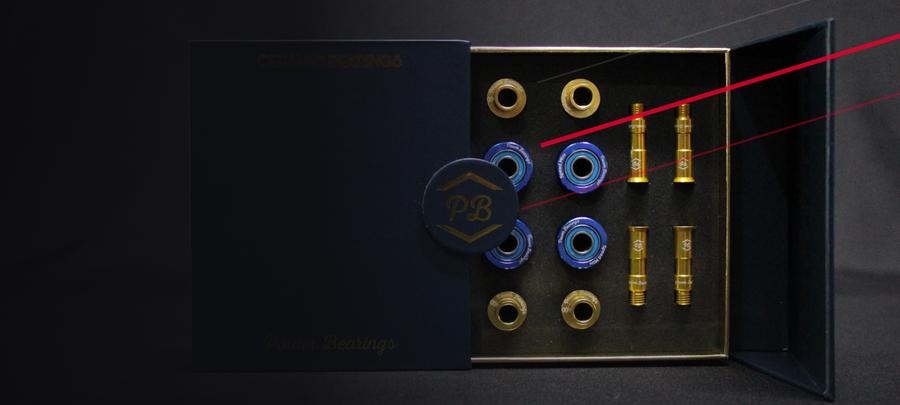
If you do need new bearings, match them to how and where you skate. For a reliable, value for money steel set that shrugs off regular cleaning, the Power Bearings Red are a sensible everyday choice. Skaters who train hard and want a smoother, faster steel bearing often step up to the Power Bearings Super 6 Ball Steel. And for humid conditions or racing, the rust proof balls of the Power Bearings Swiss Ceramic stay fast with less fuss. You can compare the whole range in the Power Bearings collection and pick the level that fits your skating.
Frequently asked questions
My bearings are new but still feel slow, why?
New bearings often ship with a heavier factory grease that drags until it beds in, and a tight axle or a missing spacer will slow even a brand new set. Check the axle tension and the spacer first, and give the bearings a few sessions to loosen up before you judge them.
Can I make slow bearings fast again by adding more oil?
No, and it usually makes things worse. Too much oil is thick and slow and attracts dust. If bearings are slow, clean them properly and then add a single drop of light skate oil per bearing, which is all a fast bearing needs.
How do I know if it is the bearing or the axle?
Loosen the axle bolt slightly and spin the wheel again. If it suddenly runs free, the axle was over tightened and the bearings are fine. If it still drags, the problem is inside the bearing or the wheel.
How often should slow bearings be cleaned?
It depends on where you skate more than on time. Outdoor and dusty surfaces may need a clean every few weeks, while clean indoor floors can go much longer. Let feel be your guide, and clean as soon as the roll starts to fade rather than waiting for a grind.
Slow skates are rarely a mystery once you stop guessing. Run the spin test, work through the causes in order, and you will nearly always find that the fix is a clean, a correct drop of oil, a looser axle or, when the steel is truly done, a fresh set of bearings that gives you your glide back.