Most short track skaters pour their attention into blades, and for good reason, yet the boot is the part that actually transfers every gram of your effort onto the ice. A boot that is looked after holds its shape, keeps your heel locked, stays comfortable through long training blocks and lasts many seasons. A neglected boot goes soft, starts to smell, loosens around the ankle and slowly robs you of the power you have worked so hard to build. This guide is a skater to skater walk through of how to look after a modern short track boot, from safe drying and odour control to the carbon shell, the footbed, the laces and hooks, and the mount that carries your blade. Everything here applies to the carbon composite EHS Short Track Boots we stock, and to most heat mouldable boots you are likely to own.
Why boot care matters as much as blade care
A short track boot is a precision tool. The shell is built to be stiff so that when you push, the energy goes straight into the ice rather than being lost as the boot flexes and folds. Sweat, heat and time are the three forces that quietly work against that stiffness. Sweat is salty and slightly acidic, so it attacks liners, footbeds and metal hardware. Heat, especially the wrong kind of drying heat, can soften a moulded shell and let it lose the custom shape you worked to build. Time simply lets small problems grow, so a damp liner becomes a smelly liner, and a loose eyelet becomes a torn one. Good care is really just staying ahead of those three forces with a few simple habits after every session.
The main parts of a short track boot. Each one needs slightly different care, from the soft liner to the stiff carbon shell and the mount that carries your blade.
Understanding your short track boot
Before you clean anything it helps to know what you are cleaning. A typical short track boot has a stiff outer shell, often carbon composite, a padded inner liner, a tongue, a removable footbed, a set of laces running through eyelets and often a hook or two near the top, and underneath it all a flat sole area where the mounting cups and blade attach. The shell gives support, the liner gives comfort and grip on your foot, the footbed supports your arch, and the mount holds everything square to the ice. When you care for a boot you are really caring for five things that each behave differently, so it pays to treat them one at a time rather than blasting the whole boot with one method.
Drying your boots the right way
Drying is the single most important habit, and it is also the one skaters get wrong most often. After a session the inside of your boot is damp with sweat. If you leave it zipped in a bag it stays warm and wet, which is exactly what odour causing bacteria love. The fix is simple. As soon as you come off the ice, loosen the laces fully, pull the tongue forward and open the boot as wide as it will go. Remove the footbed and set it out separately so both faces can breathe. Then let the boot dry in moving room temperature air.
The golden rule is air, not heat. Never dry a moulded carbon boot on a radiator, next to a heater, in direct summer sun or with a hot air gun. Heat can soften the shell and let the custom shape you moulded slowly relax, and it can also cook the liner and glue. If your boots are truly soaked, stuff them loosely with newspaper or a dry microfibre cloth to draw out moisture, and swap the paper once it is damp. A small fan pointed into the open boot dries it far faster and far more safely than any heat source.
Cool moving air dries a boot safely. A radiator or hot air gun can soften a moulded carbon shell and cost you the custom fit.
Fighting odour and keeping the liner fresh
Odour is bacteria, and bacteria need warmth and moisture. Once you have the drying habit sorted you have already won most of the battle. For the rest, a few simple steps keep the liner pleasant. Wipe the inside of the liner with a cloth dampened with a mild soap solution once a week, then let it air dry fully before the next session. Avoid soaking the liner or putting a full boot in a washing machine, because trapped water and spin heat can damage padding and glue. Cedar shoe inserts or a breathable boot bag help between sessions. Wearing clean moisture wicking socks makes a bigger difference than most skaters expect, and a fresh cut resistant sock does double duty by protecting your ankle. Our Level 4 Cut Resistant Ankle Socks keep sweat off the liner while adding a layer of protection at the same time.
Caring for the carbon shell and heel
The stiff shell is the heart of the boot, so treat it with respect. Wipe the outside with a slightly damp cloth to remove ice grit, salt and dust, then dry it. Do not use harsh solvents, acetone or strong degreasers on the shell or any painted or printed graphics, because they can dull the finish and, in the worst case, weaken adhesives. Check the heel counter regularly by pressing it firmly with your thumb. It should feel solid. If it starts to feel soft or you hear a faint creak under load, that is a sign the shell may need attention or a remould. Keeping the boot out of heat, as covered above, is the best way to protect the shape you built when you first moulded them.
Footbeds and insoles
The footbed is a small part with a big influence on comfort and power transfer. Remove it after every session so both the footbed and the inside of the boot can dry. Wipe it down if it is grimy and let it dry flat, never on a heater. Over a season a footbed compresses and loses support, and a tired footbed can quietly change how your foot sits in the boot, which then changes your balance on the blade. If your arch starts to ache or your foot feels like it is sliding, a fresh footbed is a cheap fix that restores the feel you had when the boots were new.
Laces, eyelets and hooks
Laces are consumable, so do not wait for them to snap mid warm up. Inspect them for fraying, especially where they pass through the eyelets and around any hook near the top of the cuff. Replace a lace as soon as it looks thin, because a lace that fails during a start or a corner can end your session. When you lace up, aim for firm even tension across the foot with a slightly firmer hold around the ankle, rather than yanking one section brutally tight. Check the eyelets and hooks for burrs or rough edges that chew through laces, and make sure any rivets are seated tight. A drop of light oil on a squeaky hook is fine, but keep oil away from the liner and footbed.
Aim for a lighter even hold across the toes and a firmer hold at the ankle. Inspect eyelets and hooks so a worn lace never fails during a race.
Looking after the mount and the blade side
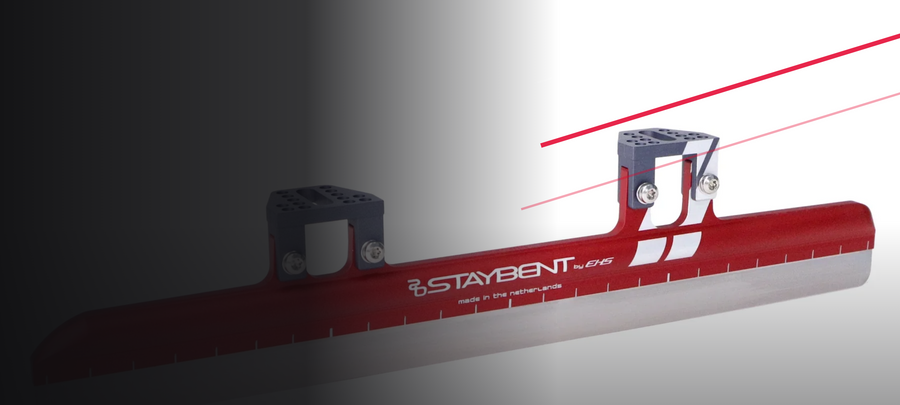
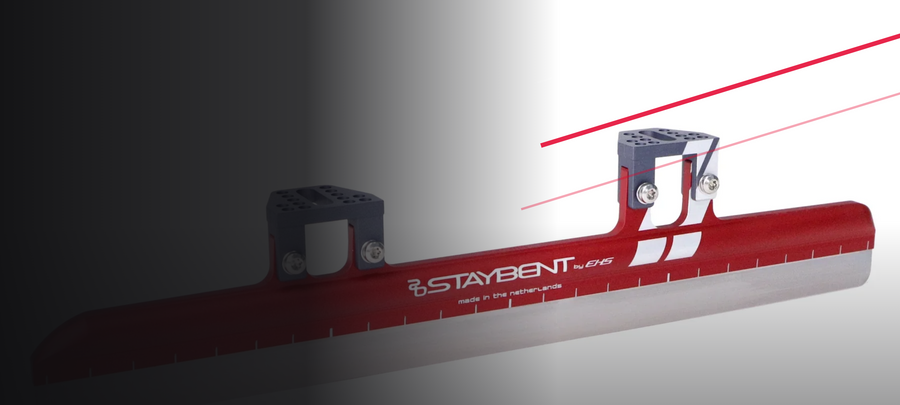
Boot care does not stop at the liner. Underneath sits the mount that keeps your blade square, and a loose or corroded mount undoes all your alignment work. After each session wipe the sole area dry so water does not sit around the bolts. Every few weeks check that the mounting hardware is snug, without forcing it past the point where it is firmly seated. If you run StayBent Short Track Mounting Cups or the stiffer PRO cups, keep them clean and inspect for hairline cracks, and if you are fitting EHS blades to a common frame pattern the EHS Short Track Adapter Set keeps the mounting solid. When you are not skating, protect the steel with hard blade soakers so a wet blade never sits against the boot and starts to rust.
Storage between sessions and off season
How you store boots matters as much as how you dry them. Between training days keep the boots somewhere cool, dry and dark with the laces loosened so the liner is not crushed into a bent shape. Avoid a hot car boot, a sunny window ledge or a damp cupboard. For a longer break at the end of a season, clean the boots fully, dry them completely, and store them with the footbeds removed and a light absorbent cloth inside. Fit soft covers over dried blades so the edges are protected. Boots stored damp and warm come back smelly and soft, while boots stored clean and cool come back ready to skate.
Common mistakes to avoid
A few habits do real damage, so it is worth naming them plainly. Drying on a radiator or with a hot air gun softens the shell and ruins the mould. Leaving boots sealed in a kit bag traps moisture and grows odour. Machine washing a liner or soaking the whole boot swells padding and weakens glue. Ignoring a frayed lace invites a failure at the worst possible moment. Storing a wet blade against the boot spreads rust. Skip these and you will keep your boots stiff, fresh and reliable for far longer.
Frequently asked questions
How often should I clean my short track boots?
Open and air the boots and remove the footbed after every single session. A deeper wipe of the liner and shell once a week is plenty for most skaters, with a full clean at the end of a training block or season.
Can I put my boots or liners in the washing machine?
No. A machine can swell the padding, weaken adhesives and distort the shape. Wipe the liner by hand with a mild soap solution and let it air dry instead.
My boots smell even after drying. What else can I do?
Make sure the footbed comes out every time so both faces dry, wear clean moisture wicking socks, and use cedar inserts or a breathable bag between sessions. Persistent odour usually means moisture is still being trapped somewhere.
How do I know when my boots need remoulding or replacing?
Press the heel counter and flex the cuff. If the shell feels soft, creaks under load or no longer holds your heel, it may be time to remould or, if the shell is truly tired, to look at a new pair such as the EHS Short Track Boots.
Look after the boot as carefully as you look after the blade and it will reward you with years of stiff, comfortable, powerful skating. A clean dry boot is a fast boot.