Short track speed skating for kids looks alarming from behind the barrier. Twenty children in helmets and padded suits, blades almost as long as a forearm, and a corner taken at a lean that would put most adults flat on the ice. Then a coach lines them up, the smallest skater in the group drops into a low position and glides past the block markers, and you realise the sport is far more teachable than it looks. This guide is written for parents who are weighing it up, and for families whose child has just joined a club and who now want to know what the next twelve months will involve, what to buy, what to leave well alone, and how to tell whether things are going as they should.
We sell the gear, so we will be straight with you about something first. The most common mistake we see is a family buying a full competition setup in week three, before anyone knows whether the child enjoys the sport, and before the coach has seen enough skating to advise on blade length. The order you spend in matters more than the amount you spend.
What age can a child start short track speed skating?
Most clubs will take a child onto a speed session once they can do three things on their own, on ordinary rental or hockey skates: move forward with control, stop in some fashion, and get back up after a fall without help. For a child in a weekly learn to skate class that usually arrives somewhere between six and eight years old, though it depends far more on ice time than on birthdays. A five year old who skates every week may be ready before a nine year old who has been on ice twice.
There is no rush, and there is no closing window either. A long blade and a stiff carbon boot reward a skater who already has balance, so time spent on basic skating is never wasted. Plenty of skaters come to short track at eleven or twelve, or in their teens, and progress quickly, because strength, coordination and the ability to listen to a coach all count for a great deal. If your child is younger than six and keen, put them in a general skating class and let them build the balance first. The speed will keep.
What the first season of short track looks like
Parents often expect a steady upward line. In practice a first season has three fairly distinct phases, and knowing the shape of it stops the middle phase feeling like a problem.
The first six weeks, falling over on purpose
Speed boots sit lower and feel less supportive at the ankle than hockey skates, and a long flat blade does not let a skater cheat with a toe pick. So the first few weeks look like a step backwards. Expect wobbling, expect falls, and expect your child to be slower than they were on their old skates. Good coaches use this time on gliding, two footed balance, standing up quickly and falling safely. If your child comes off the ice having fallen eight times and laughed about six of them, that is a successful session.
Months two to four, the corner arrives
This is where short track starts to feel like short track. The crossover, the lean, the inside hand reaching down to the ice. It is also where confidence dips, because leaning into a corner on a blade is a genuine act of trust. Some children take to it in a fortnight. Others need a term of patient repetition. Both are normal, and comparing your child with the one who happens to be fearless is the fastest way to make the sport unpleasant.
The back half of the season, racing
Most clubs will enter young skaters into a friendly or club level competition within the first season. The first race is rarely about results. It is about learning to warm up, to line up, to hold a position and to finish. A child who comes last and wants to go again has had a better day than one who wins and comes off the ice unhappy.
The middle phase is the one that surprises families. A dip in confidence when the corner arrives is part of learning, not a sign the sport is wrong for your child.
What to buy first, and what can wait
Short track gear divides neatly into three groups: things you must have from day one, things worth owning once the sport has stuck, and things that can wait until a coach tells you otherwise.
Borrow before you buy
Many clubs keep a set of loan boots and blades, and most keep spare protection. Use it. A term on club kit tells you whether your child wants to be there, and it gives the coach time to watch them skate, which is the only sensible basis for choosing a blade length. If the club has nothing to lend, ask whether an older skater has outgrown a setup. Short track families pass kit down constantly.
Protection is the part that is not optional
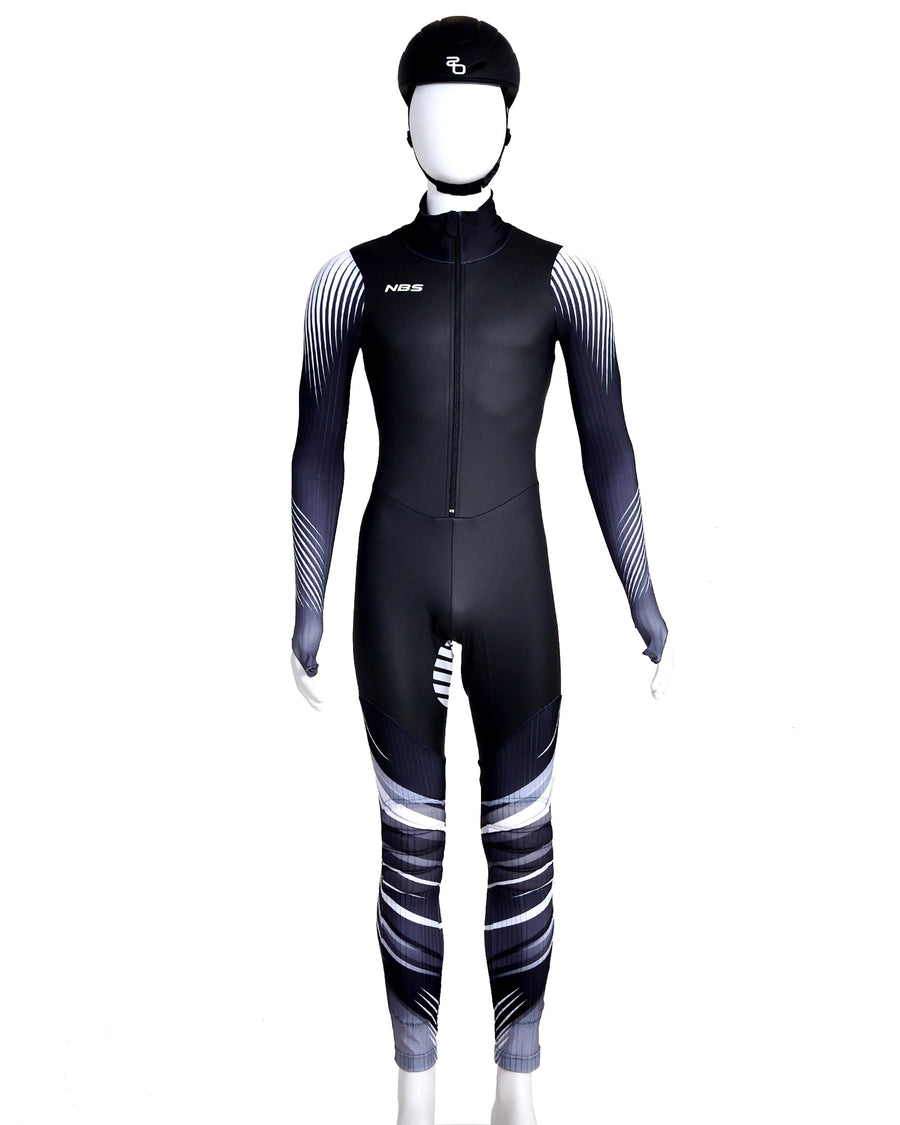
This is where the first money should go, because a blade is sharp and ice is crowded. A certified helmet, a cut resistant base layer, a neck guard, gloves and cut resistant socks are the standard requirement at almost every club and competition. Our Level 3 cut resistant Kevlar undersuit is designed to sit under a race suit without bunching, the Level 3 neck guard covers the area a club will check first, and the StayBent short track helmet is shaped for a skater in a low position rather than for an upright hockey player. Buy protection that fits now, not protection to grow into, because a loose neck guard or a helmet that rocks on the head protects very little.
Boots before blades
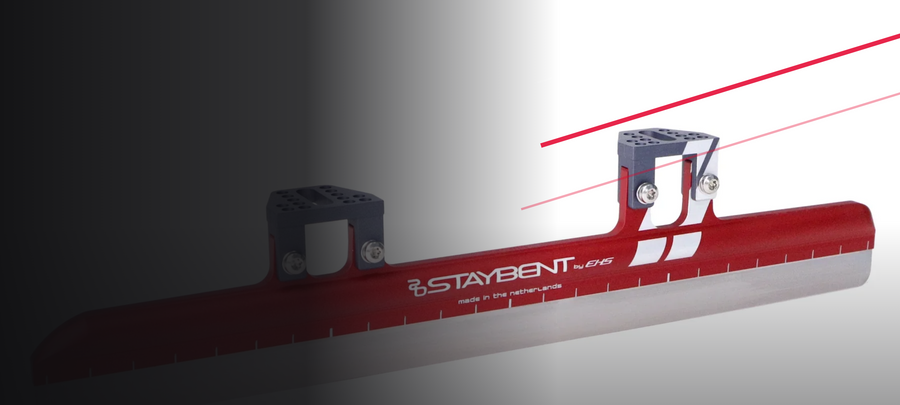
When you do move to your own setup, spend on the boot first. A boot that holds the heel still is what lets a child push properly, and a child in a boot that pinches will quietly stop enjoying training. EHS short track boots can be heat moulded, which matters a great deal for a young foot with a narrow heel or a high instep. Blades come next, and a coach should be involved in the length decision. Our StayBent blade range covers the lengths a junior skater is likely to need, and we are happy to talk through options over a message before you commit.
Families who follow this order almost never waste money. Families who start at step five often buy twice.
How many sessions a week does a young skater need?
One good session a week is enough to learn and to stay interested. Two is where progress starts to feel obvious, because a skill practised twice in seven days sticks far better than the same skill practised once. Three or more belongs to children who are already in a club squad, enjoying it, and growing well, and it should be a coach led decision rather than a parent led one.
Ice time is not the only training that counts. Children who ride a bike, swim, play a running sport or do a little balance work at home arrive on the ice with the engine and the ankles the sport needs. Avoid the trap of turning the whole week into skating. A child who does one other sport alongside short track tends to last longer in short track.
Buying for a foot that is still growing
This is the question every short track parent asks, and the honest answer is that buying boots a size large does not work. A heel that slides inside the boot teaches a bad push and causes blisters, and a child skating in a boot that is too big will look like a weaker skater than they are. Buy to fit, mould properly, and plan on replacing boots as the foot grows. Blades last far longer than boots, so a sensible blade length often survives two or three boots. We have written a full guide to sizing, safety and buying for growth in our junior short track gear guide, and the setup cost breakdown sets out what a realistic budget looks like over a first couple of seasons.
The job at the barrier
You cannot coach your child from behind the glass, and attempting it is the single quickest way to take the joy out of the sport. What you can do is far more useful. Get them to the rink fed, warm and on time. Make sure the kit is dry and the blades are protected. Ask what they worked on rather than how fast they went. Let the coach correct technique, and let your child own the result, good or bad.
The one technical thing worth doing yourself is blade care, because wet blades rust and rust ruins an edge. Dry the blades after every session, slip on soakers for the bag, and keep hard guards for walking. A ten year old can learn this routine in a fortnight and it saves a great deal of money.
Everything in the left panel is inside a parent's control. Almost nothing in the right panel helps a young skater go faster.
What to keep in a young skater's bag
- Helmet, gloves, neck guard and knee protection, packed where they cannot be forgotten
- Cut resistant base layer and spare socks, because one session is usually a sweaty one
- Hard guards for walking and soakers for storing the blades
- A small towel for drying blades the moment the skates come off
- Water, a snack for after, and warm layers for the drive home
- Plasters and lace spares, which cost nothing and save sessions
Everything in that list sits in our short track setup collection, so you can see the whole kit in one place rather than piecing it together.
Frequently asked questions
What age should my child start short track speed skating?
Readiness matters more than age. Once a child can skate forward, stop and get up unaided, they are ready for a speed session, which is commonly around six to eight years old. Younger children are better served by a general learn to skate class first.
Do we need to buy boots and blades straight away?
No, and we would rather you did not. Use club or borrowed kit for a term, then buy boots first and blades second, with the coach advising on blade length.
Is short track speed skating safe for children?
It is a contact sport on sharp steel, so protection is taken seriously. With a certified helmet, a cut resistant base layer, a neck guard, gloves and cut resistant socks, and with coached falling practice, club level short track is a well managed risk. The gear only works if it fits, which is why we push fit over hand me downs.
How many times a week should a young skater be on the ice?
One session to learn, two to progress steadily, three or more only when a coach suggests it and the child is keen. Keep another sport in the week if you can.
My child is scared of the corner. Should I worry?
Not at all. Leaning onto an edge at speed is a trust exercise and it takes some children a whole term. Confidence comes from repetition at a comfortable speed, not from being pushed to lean further.
Can a child use hockey skates to start?
For a first taste, yes, and many clubs begin new skaters that way. Hockey blades are rockered and have a toe pick, so they teach some habits a speed skater has to unlearn, which is why clubs move children to speed kit once they are stable on the ice.
The short version
Short track speed skating for kids rewards patience far more than it rewards spending. Wait until your child can skate on their own, borrow kit for a term, buy protection that fits before anything else, then a boot, then a blade chosen with a coach. Expect a confidence dip when the corner arrives and let it pass. Ask about the session rather than the stopwatch. Do that, and you give your child the thing that actually makes fast skaters, which is a lot of happy hours on the ice.